Naadam Festival Tour
mongolia
Naadam Festival Tour
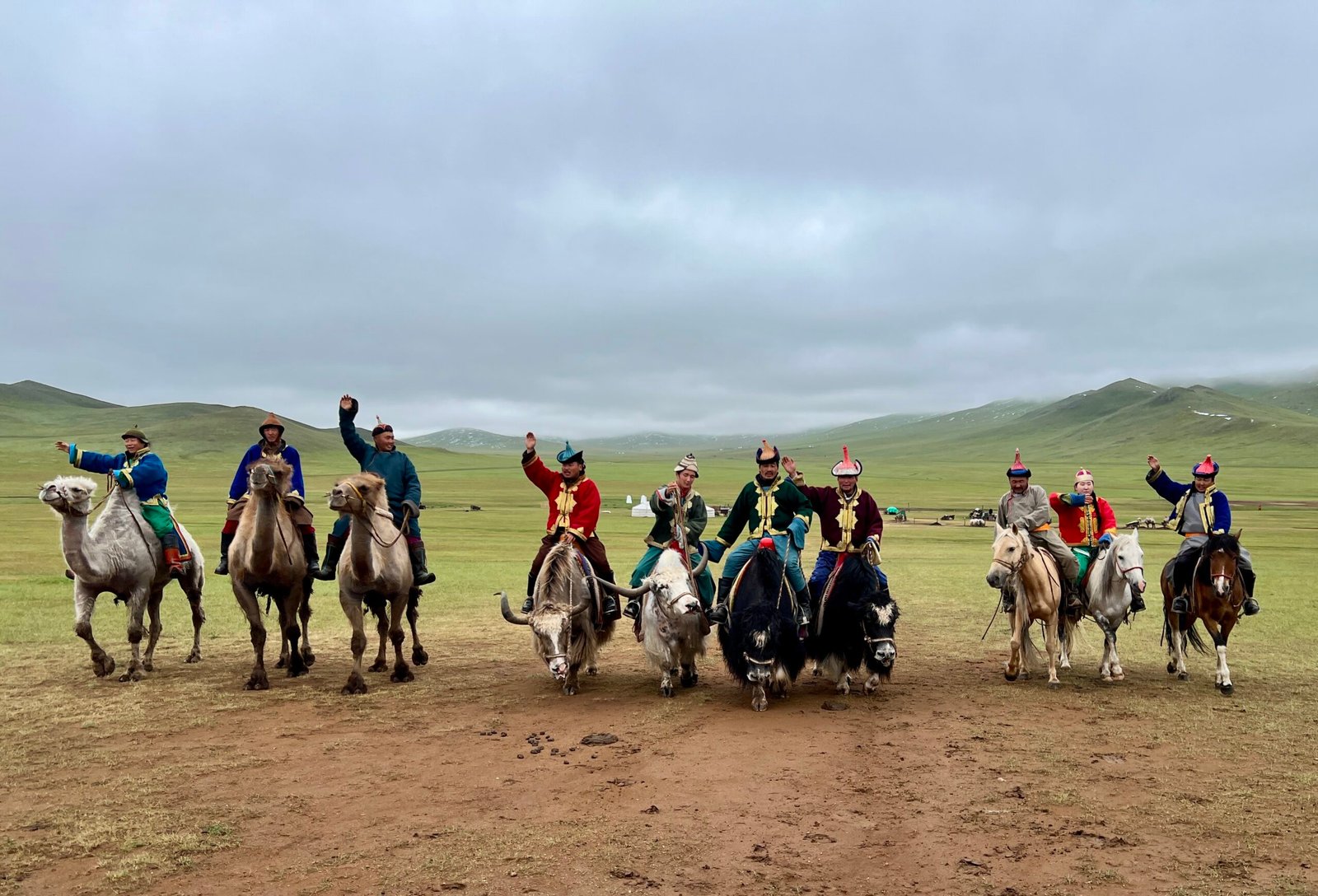
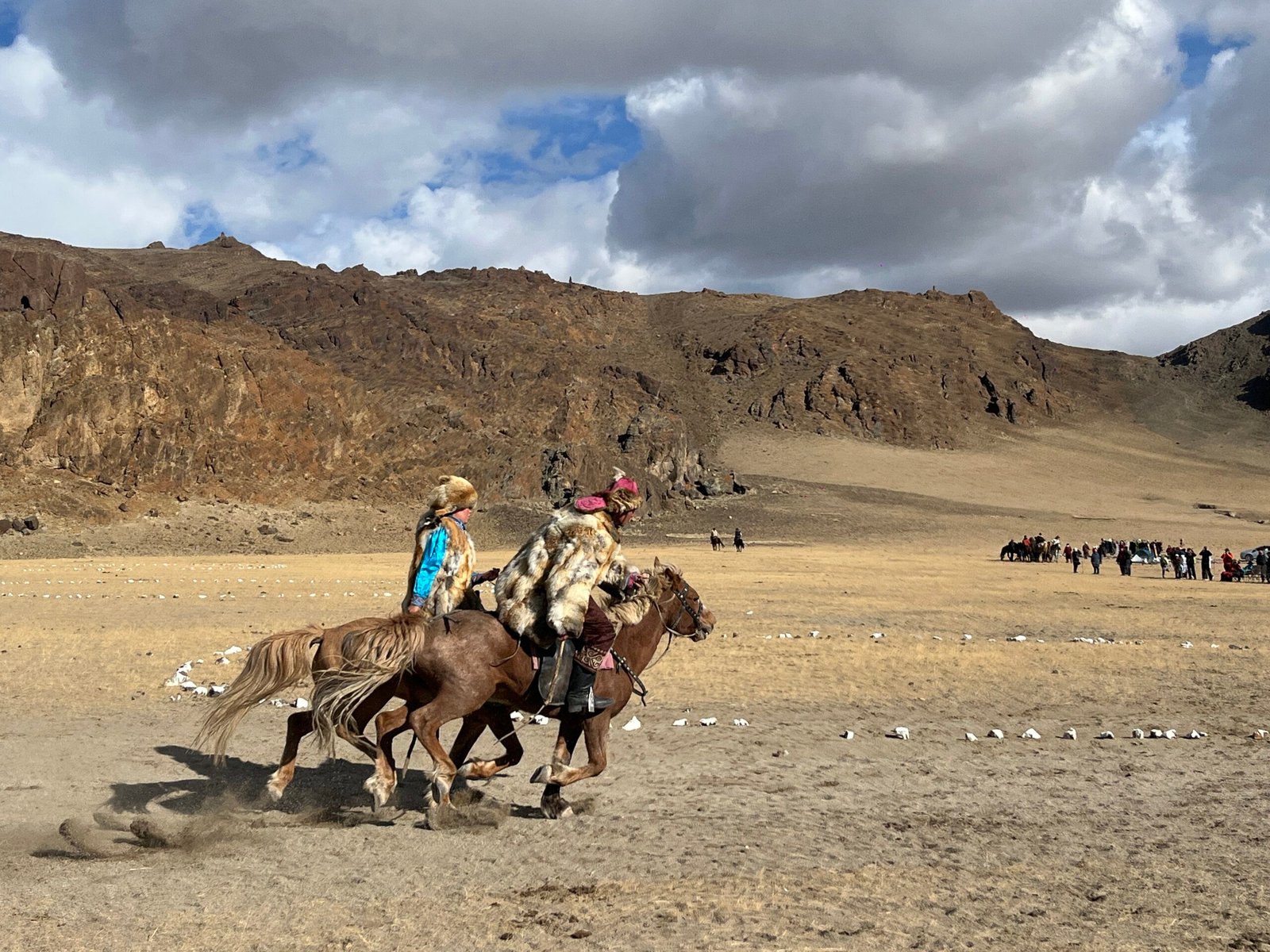
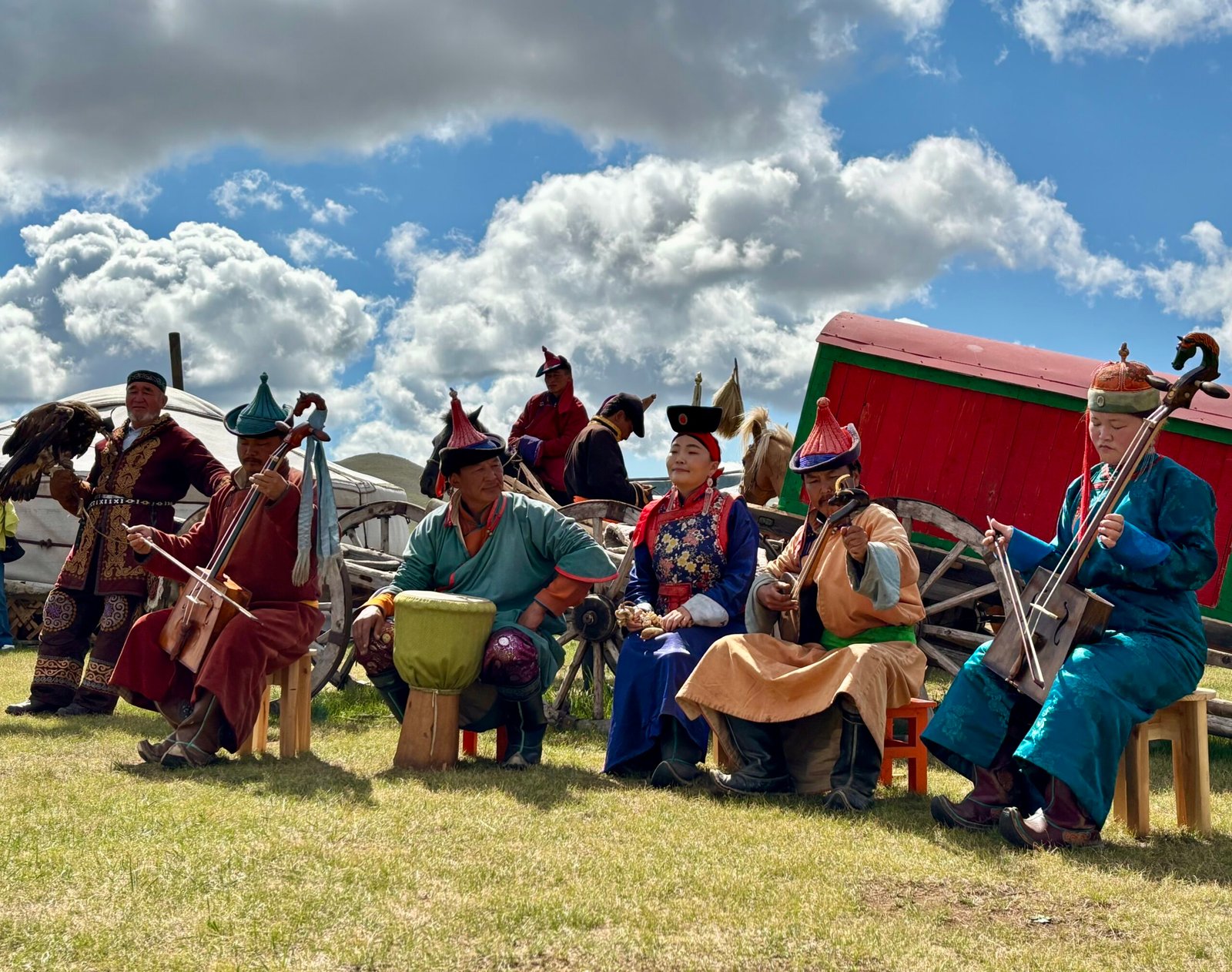
This spectacular event includes competitions based on speed, agility, and accuracy of these magnificent Golden Eagles and some great Kazakh traditional games such as Bushkashi, Tiyn Ter, archery and traditional camel racing etc are also organized on the festival days.
Naadam opening ceremony: watch hundreds of horsemen in full ceremonial dress parade across the National Stadium in one of Asia's most spectacular live events
The Three Games of Men: trackside seats for Mongolian wrestling, traditional archery, and the cross-country horse race — the events that define the national character
Countryside Naadam: watch a smaller, unscripted local festival with real herding families, where the wrestlers wear leather boots and the crowd sits on the steppe grass
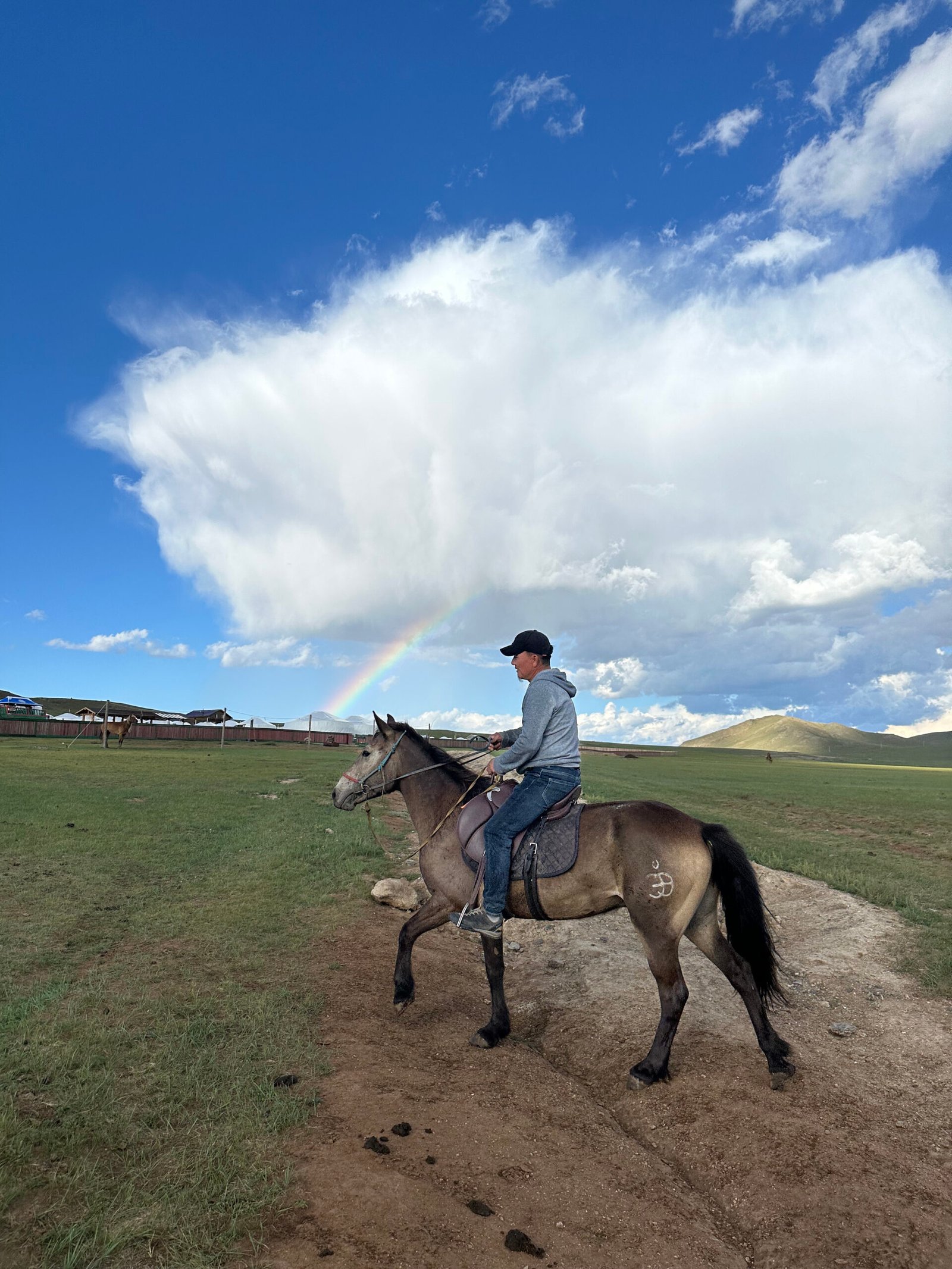
Terelj National Park: two nights in the mountain valley, with horse riding and an overnight at a working nomadic ger camp
Hustai National Park: an afternoon tracking Przewalski's wild horses on horseback with a local ranger before your final night under a steppe sky
This fantastic festival celebrating the Kazakhs' honoured Eagle is also a celebration of Kazakh traditional heritage. In order to maintain the event as a festival for the Kazakhs themselves, attendance is limited. The highlight of this fantastic trip is interacting with the Kazakhs and other ethnic groups and living with them for a couple of days to take part in the eagle training and get to know about the unique Kazakh culture. Landscape and cultural sightseeing blend easily in Mongolia – you will have the chance to visit families of nomads, remote Buddhist monasteries and traditional events, and to take part in horse-riding or guided walking if you wish – there are also endless opportunities for photography.
- 4WD Land Cruiser
- 1-12 Guests
- 8-Day, 7-Night
- Full-Time English-Speaking Guide
- Fixed Departure — July (Naadam July 11-13)
INCLUTIONS & EXCLUSIONS
Inclusions:
- All ground transport in a private 4WD vehicle
- Professional English-speaking guide throughout
- 7 nights accommodation (hotel in UB, ger camps, nomadic family stay)
- Naadam opening ceremony and stadium tickets
- Countryside Naadam access with local families
- Horse riding in Terelj and Hustai
- All meals as listed in the itinerary
- All national park and site entrance fees
- Drinking water throughout
- Airport pick-up and drop-off in Ulaanbaatar
Exclusions:
- International flights to/from Ulaanbaatar
- Travel insurance (required)
- Visa fees
- Personal spending and souvenirs
- Alcoholic beverages
- Optional activities not listed in the itinerary
- Tips for guide and driver (appreciated)
from our gallery
Day 1, July 10, 2026
Arrival in Ulaanbaatar
Airport transfer to hotel
Duration: 30-45 min drive
Welcome briefing & Naadam orientation
Duration: 1.5 hours
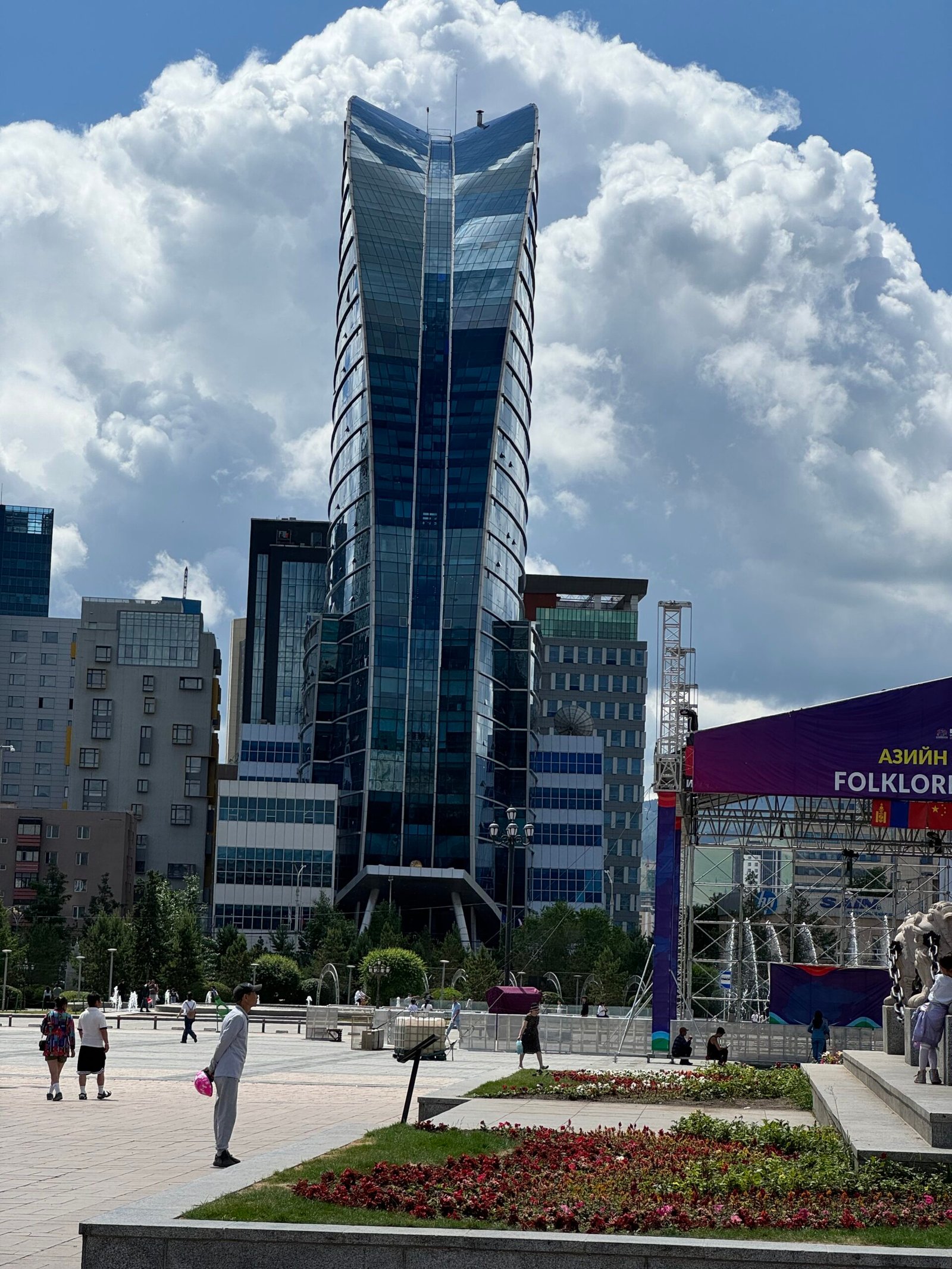
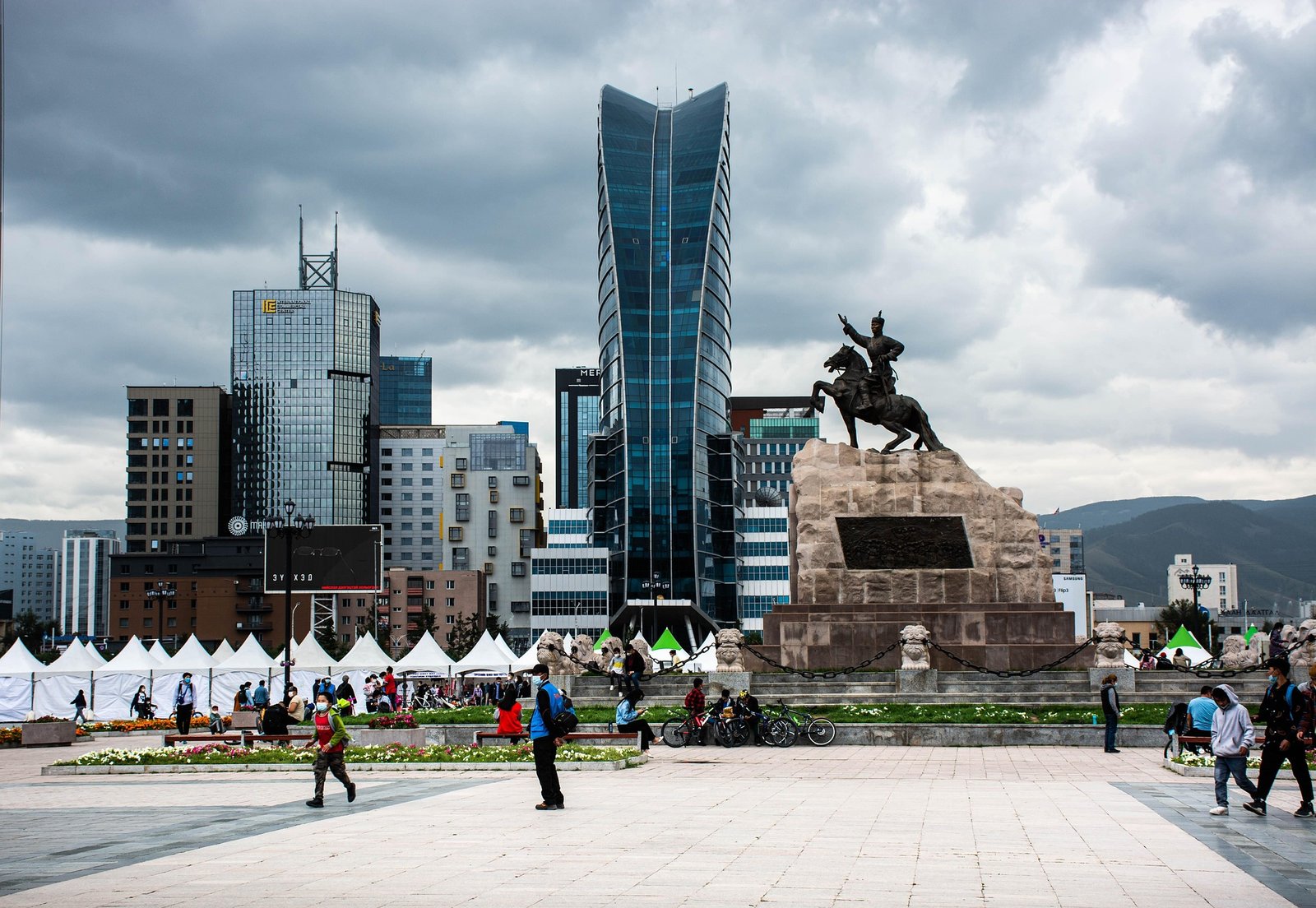
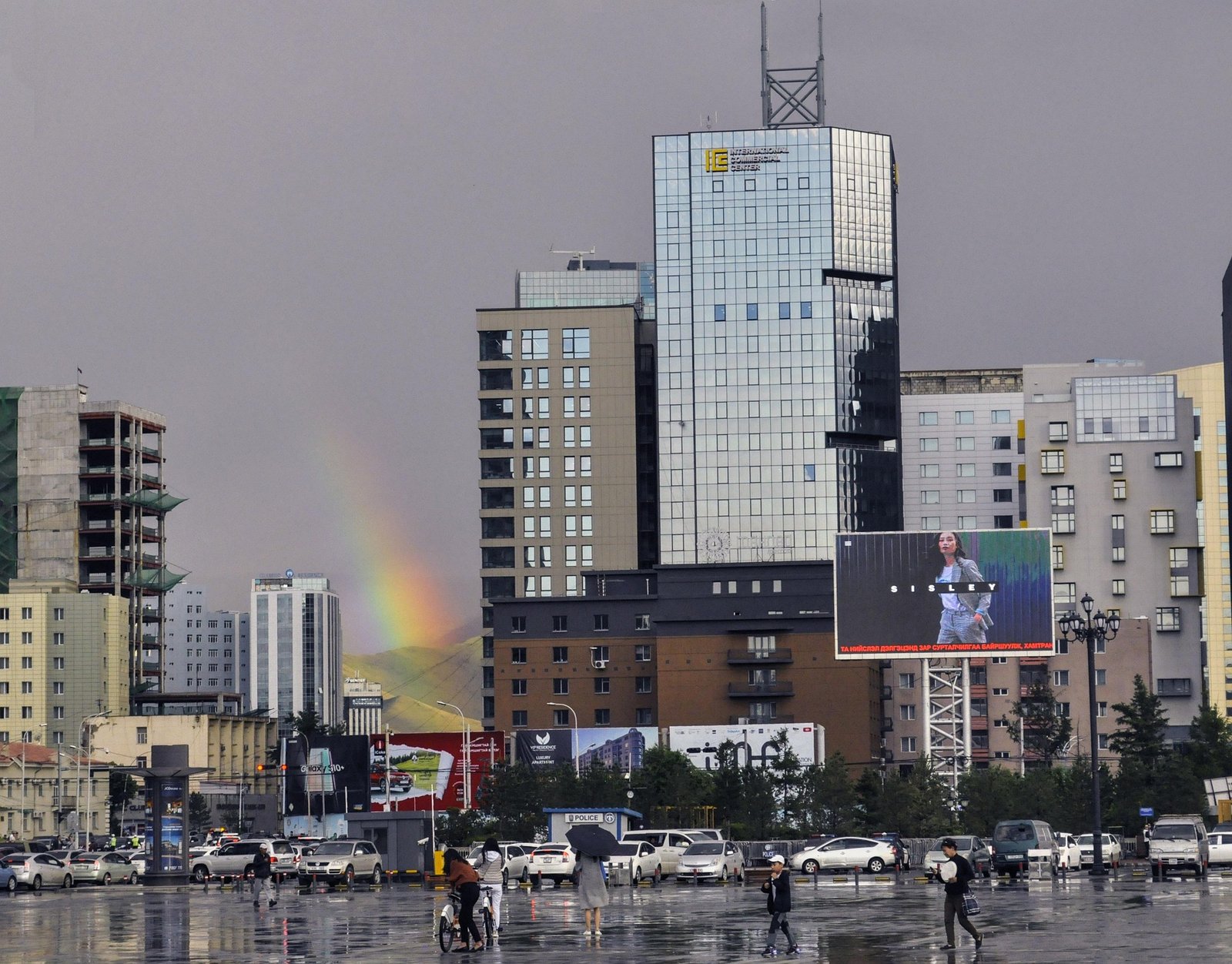
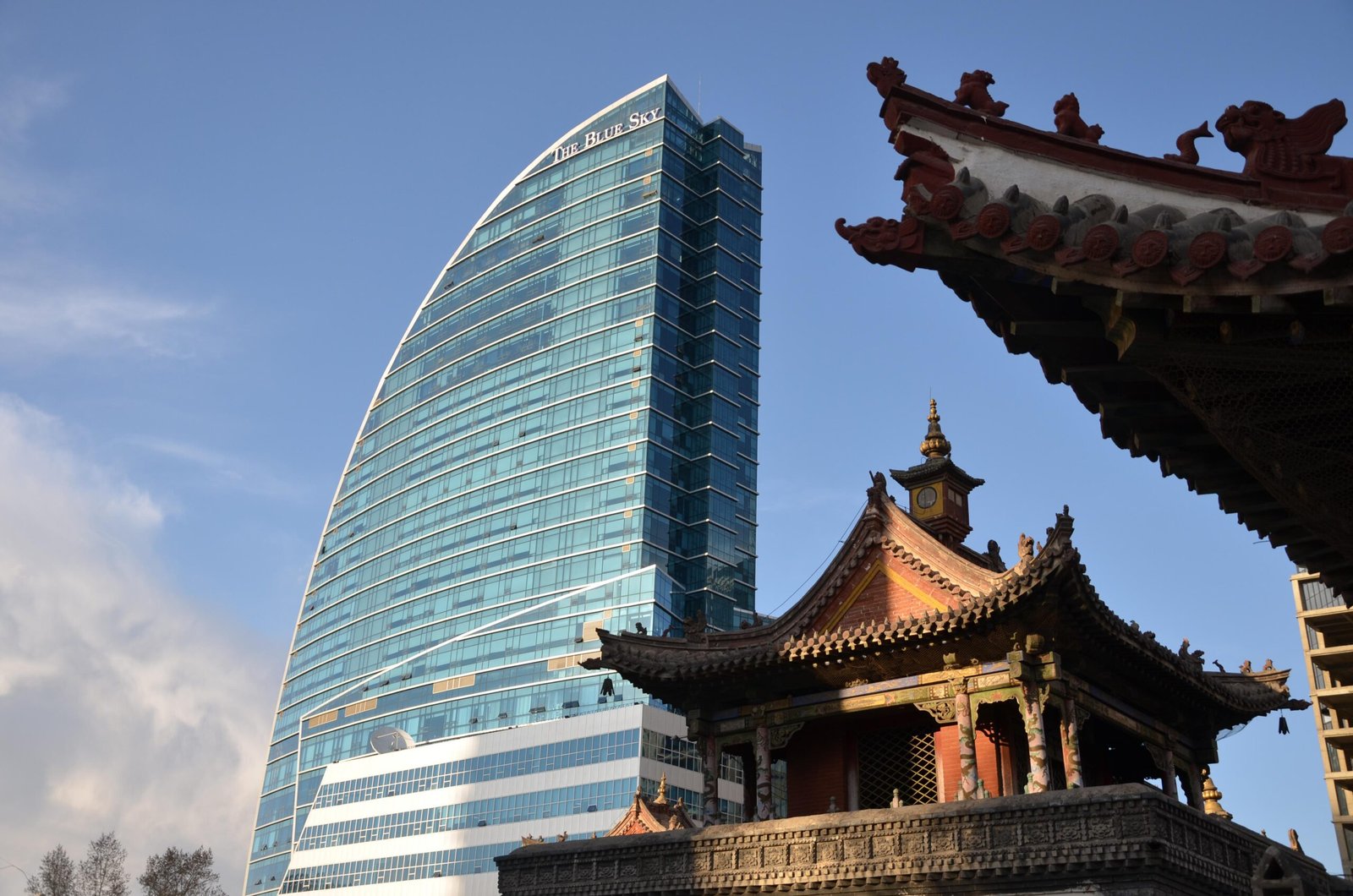
Evening walk: Sukhbaatar Square pre-festival atmosphere
Duration: 1 hour
Your guide meets you at Chinggis Khaan International Airport and transfers you into the city. Ulaanbaatar in the days before Naadam has a particular electricity to it — the streets fill with people arriving from every aimag, the blue deels come out, and the National Stadium begins to hum. Over dinner, your guide walks you through the festival and the days ahead: what you will see, where you will be standing, and why Naadam matters the way it does to the people who grew up watching it.
Day 2, July 11, 2026
Naadam Opening Ceremony
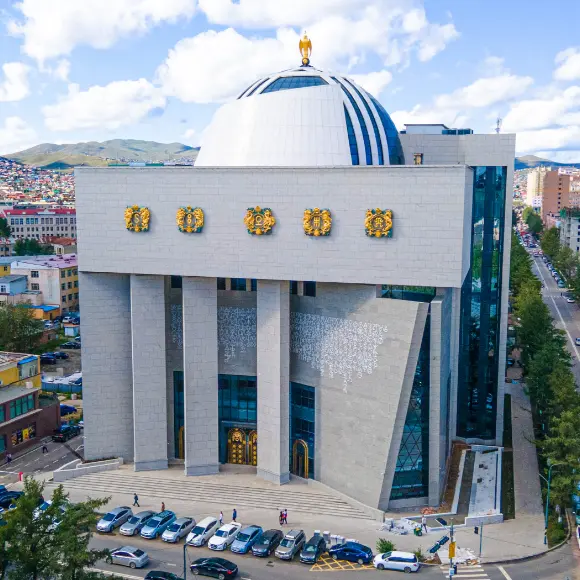
Naadam opening ceremony at the National Stadium
Duration: 3-4 hours
Afternoon: Mongolian wrestling — first rounds
Duration: 2-3 hours
Evening: optional city dinner and celebrations
Duration: 2 hours
Hotel in Ulaanbaatar
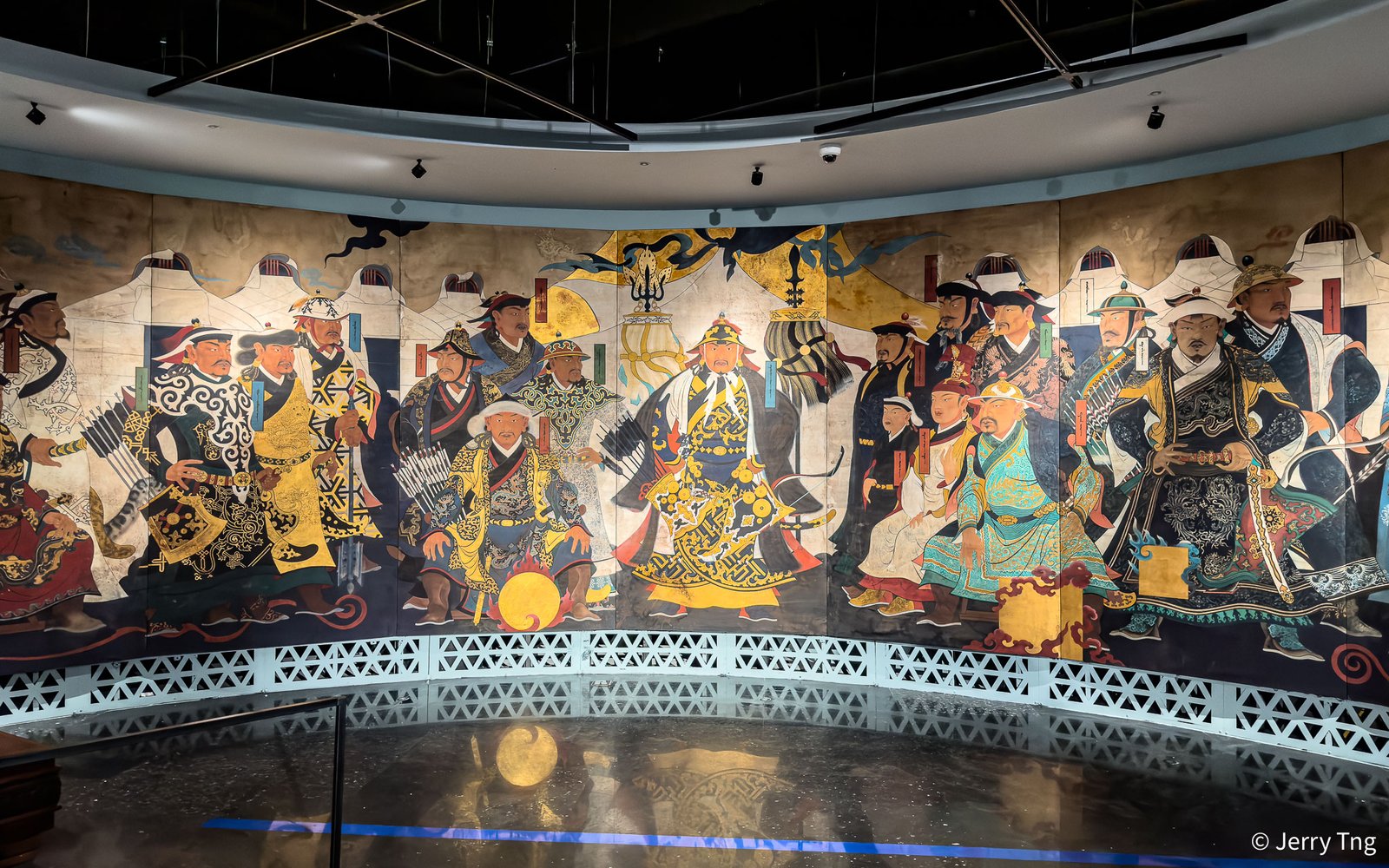
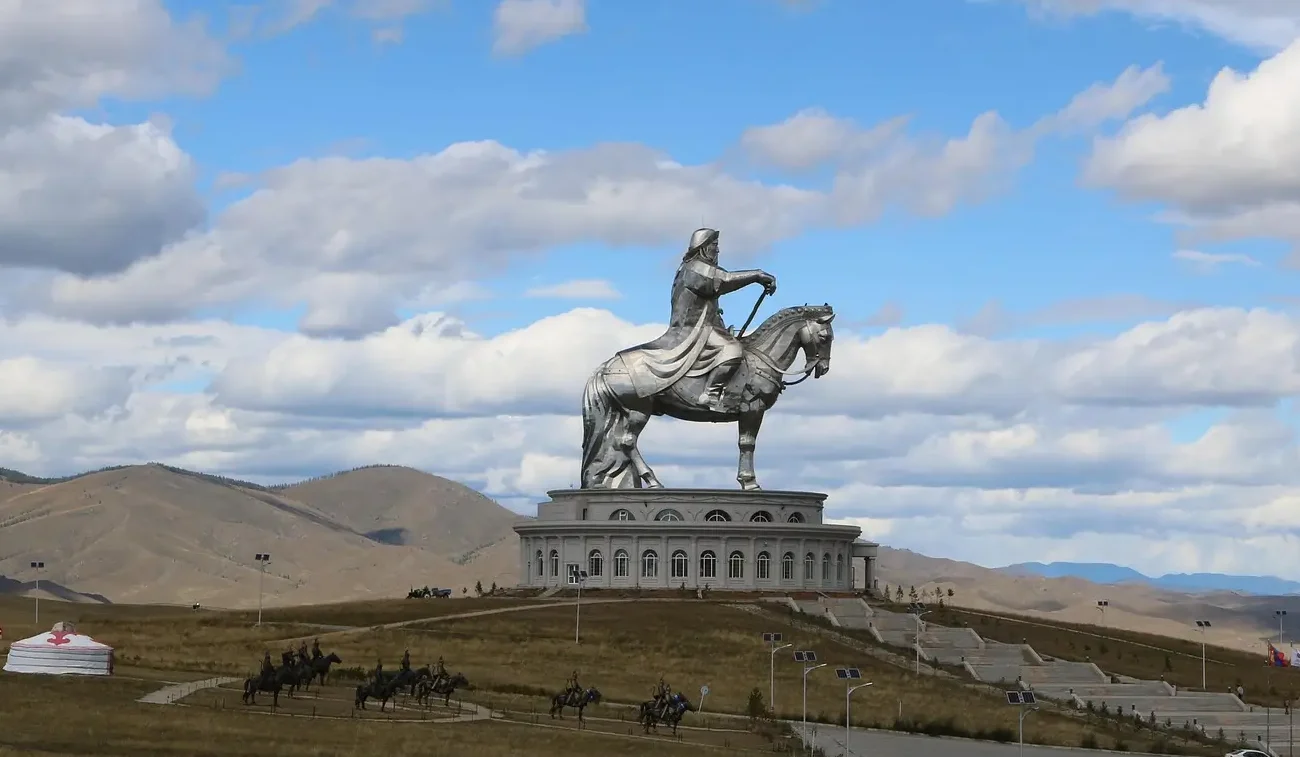
This is the day everything has been building toward. Hundreds of horsemen in full ceremonial armour and dress parade into the National Stadium to the sound of traditional instruments and the roar of a full crowd. The ceremony is one of the most visually extraordinary events in Asia — unhurried, deeply traditional, and performed with obvious pride by everyone involved. After the procession, the first rounds of Mongolian wrestling begin: enormous men in tiny leather shorts and open-chested jackets, circling each other with surprising patience before an explosive throw. Your guide explains the rules, the ranks, and the history of every wrestler worth watching.
Day 3, July 12, 2026
Naadam — Archery & Horse Racing
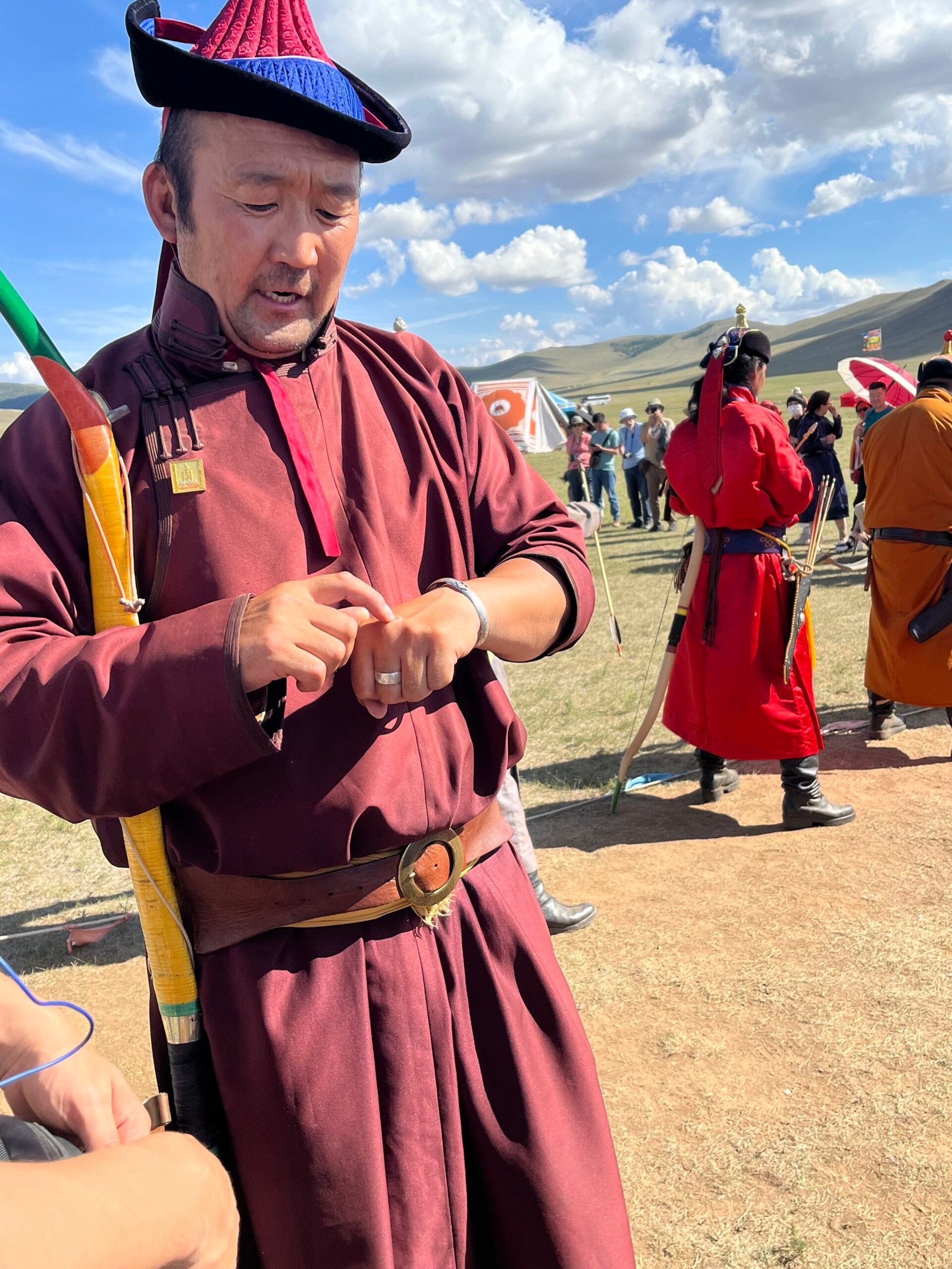
Traditional Mongolian archery competition
Duration: 2 hours — watch both men's and women's events
Cross-country horse race — children jockeys, open steppe course
Duration: half day including travel to finish line
Wrestling finals
Duration: 2 hours
The second day of Naadam spreads across the city. The archery takes place at a separate ground near the stadium — men and women shoot composite bows at small wicker targets, calling out hits with a traditional chant that sounds like a song. The horse race runs across open countryside: 25 to 35 kilometres depending on the age class, ridden by children aged five to thirteen who know the steppe better than most adults. The atmosphere at the finish line, where the fastest horses arrive lathered and the crowd presses forward, is unlike anything in organised sport.
Day 4, July 13, 2026
Countryside Naadam & Drive to Terelj
Morning: countryside Naadam with local herding families
Duration: 3-4 hours
Drive east to Terelj National Park
Duration: 1.5 hour drive
Afternoon: hike among Terelj rock formations
Duration: 2 hours
Overnight in tourist ger camp, Terelj
The city Naadam is spectacular — but the countryside version is where you feel the festival in its original form. A short drive from Ulaanbaatar, a local community holds their own games on the open steppe: wrestlers who arrived on horseback, archers who have been practising since childhood, and a crowd of herding families who have come in from a wide radius of countryside. There are no grandstands and no PA system. In the afternoon, you drive east into the mountains of Terelj, where the river runs clear and the granite formations cast long shadows across the valley floor.
Day 5, July 14, 2026
Terelj National Park — Full Day
Horse riding in the Terelj valley
Duration: 2-3 hours
Visit to Ariyabal Meditation Temple
Duration: 1 hour — steep stone staircase climb
Afternoon: leisure or fishing in the Tuul River
Duration: as desired
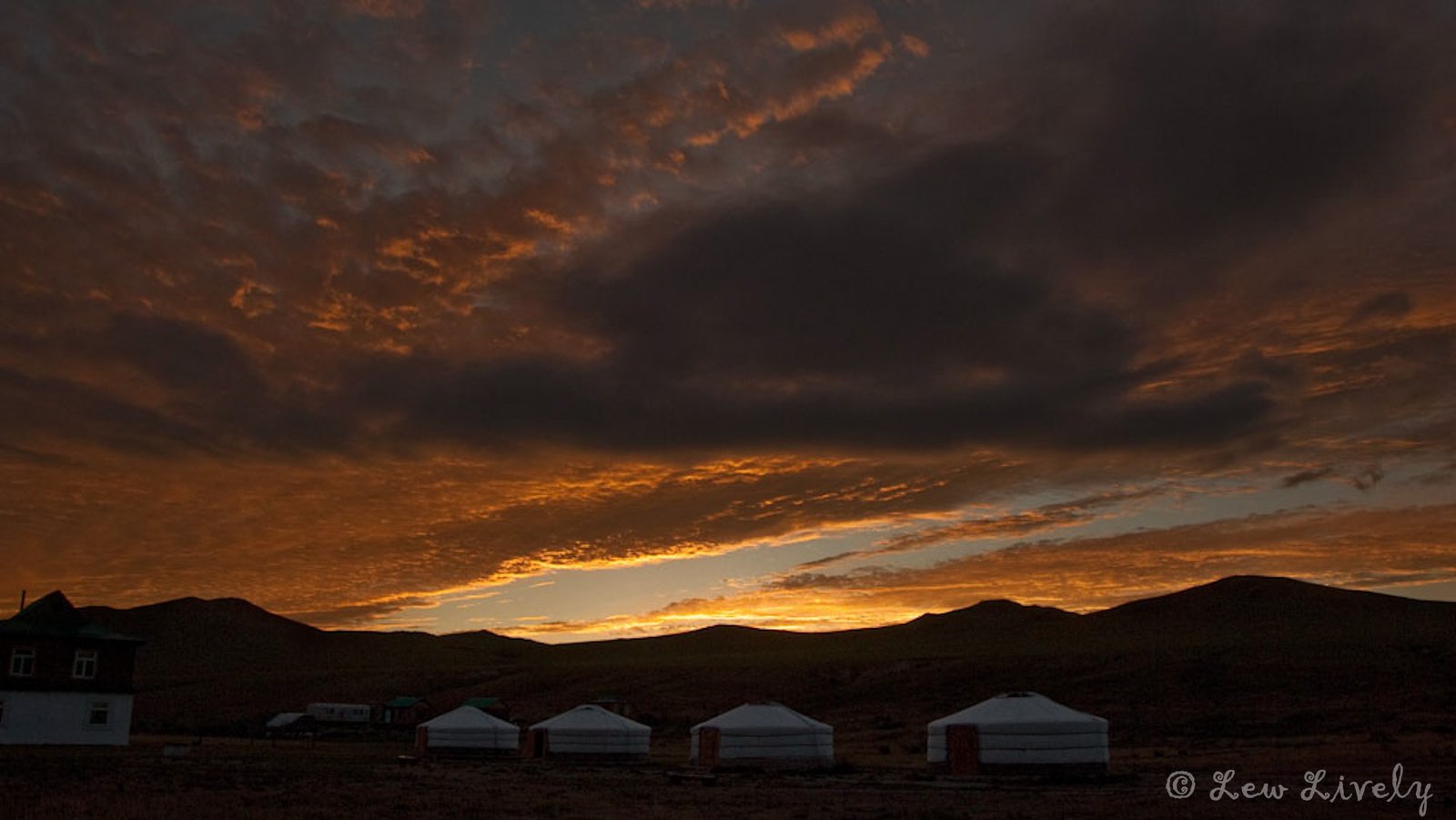
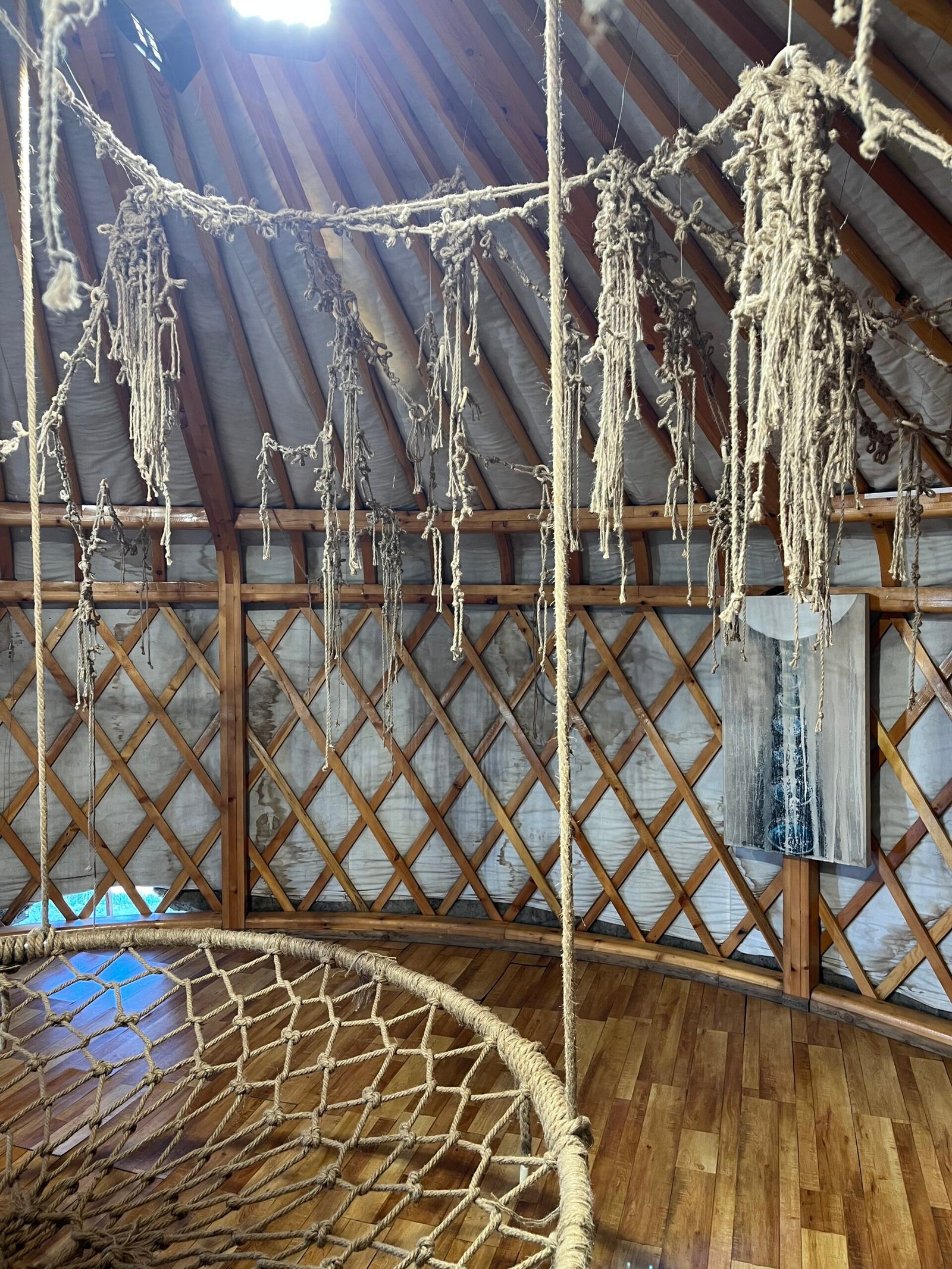
A full day in Terelj moves at the pace the mountains suggest: unhurried. The morning ride takes you up into the valley on horses that know the terrain, past stands of larch and over ridgelines that look out across the park. The Ariyabal Temple is a Buddhist meditation centre carved into the cliff face — 108 stone steps to climb, views over the river valley at the top. In the evening, a nomadic family welcomes you into their working ger: the stove is lit, the aaruul is on the table, and the conversation, with your guide translating, goes wherever it goes.
Day 6, July 15, 2026
Nomadic Family Day & Drive West
Morning with nomadic family — daily herding activities
Duration: 3 hours
Drive west toward Hustai
Duration: 3 hour drive
Afternoon at leisure in the steppe
Duration: afternoon
Overnight in ger camp, Hustai area
A morning with the family gives you a sense of how the nomadic day is structured: animals to check before breakfast, milking if the season calls for it, the unhurried rhythm of a life organised around the land and the herd rather than a clock. Your guide makes the work comprehensible and the conversation possible. The drive west in the afternoon cuts across open steppe — the kind of landscape that makes you understand why Mongolian poetry keeps returning to the same images: the horizon, the grass, the moving herd.
Day 7, July 16, 2026
Hustai National Park — Przewalski's Horses
Afternoon horse trek tracking Przewalski's horses (takhi)
Duration: 2-3 hours on horseback with park ranger
Evening ranger briefing on the rewilding programme
Duration: 45 minutes
Overnight in tourist ger camp, Hustai
Hustai National Park protects the last truly wild horse species on earth — Przewalski’s horse, the takhi, which was extinct in the wild by the 1960s and brought back through a Dutch-Mongolian programme that began in 1992. There are now over 400 in the park, living in family groups on the mountain steppe. You ride out in the late afternoon with a local ranger to find them — the horses are wild enough to keep their distance, but not so habituated to people that they disappear at the sight of you. Watching a herd move across the ridgeline, on horseback yourself, closes the week in the right way.
Day 8, July 17, 2026
Return to Ulaanbaatar & Departure
Drive back to Ulaanbaatar
Duration: 1.5-2 hour drive
Optional: Narantuul market or cashmere shopping
Duration: as desired
Farewell dinner
Duration: 2 hours
Airport transfer
Duration: 30-45 min drive
The drive back from Hustai takes less than two hours, but the eight days since your arrival have covered a great deal of ground — the stadium, the steppe, the mountain valley, the working ger, the wild herd. There is time in the afternoon for a final walk through the city: the Narantuul market for felt and cashmere, or simply the streets around Sukhbaatar Square, which have a different quality now that you know the country a little better. A farewell dinner, and then the airport. Naadam only happens once a year. You were there.
Mon - Fri, 9.00am until 6.30pm