Gobi Wonders Expedition
mongolia
Gobi Wonders Expedition
This spectacular event includes competitions based on speed, agility, and accuracy of these magnificent Golden Eagles and some great Kazakh traditional games such as Bushkashi, Tiyn Ter, archery and traditional camel racing etc are also organized on the festival days.
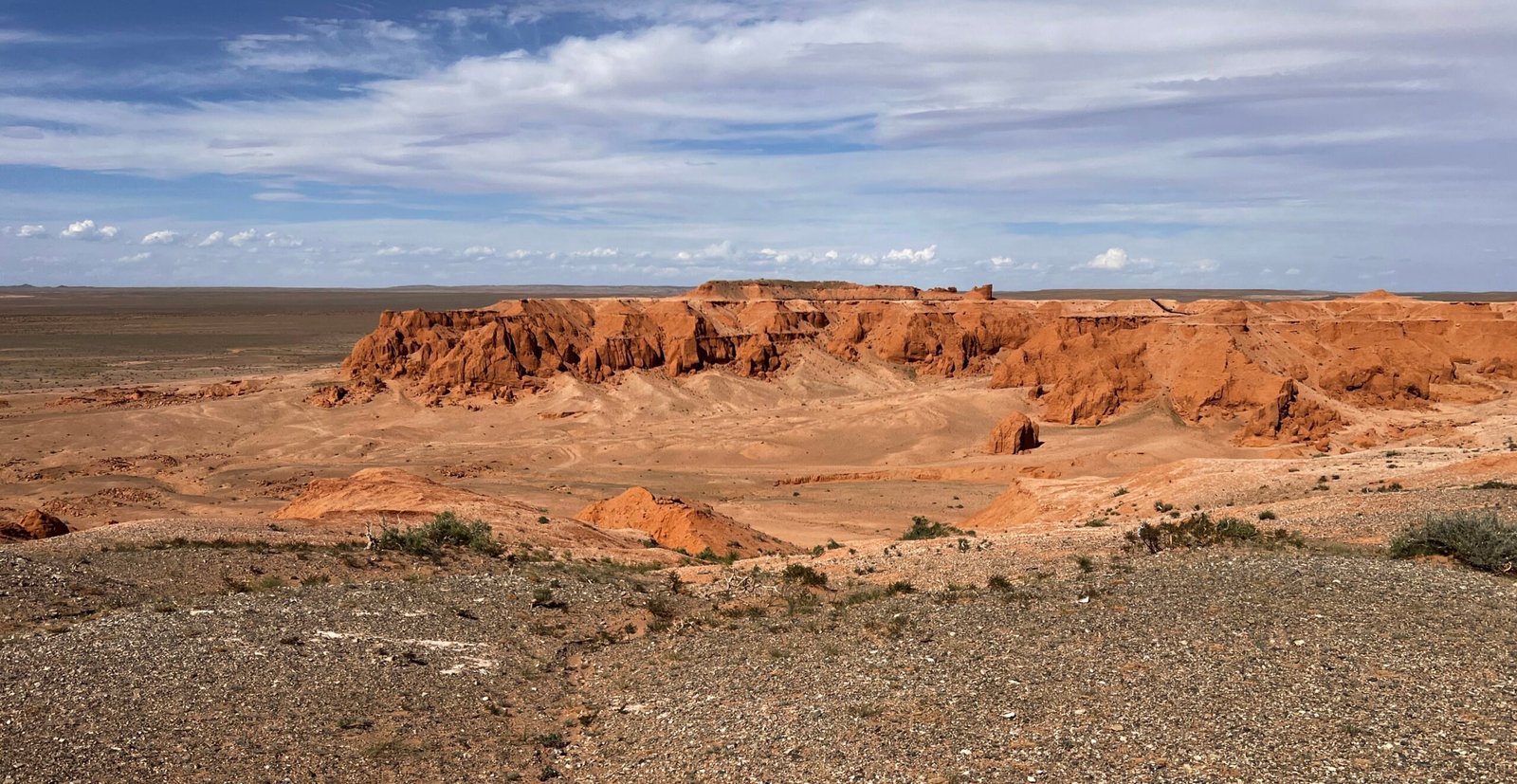
Flaming Cliffs of Bayanzag: walk the canyon rim where Roy Chapman Andrews unearthed the world's first dinosaur eggs in 1923
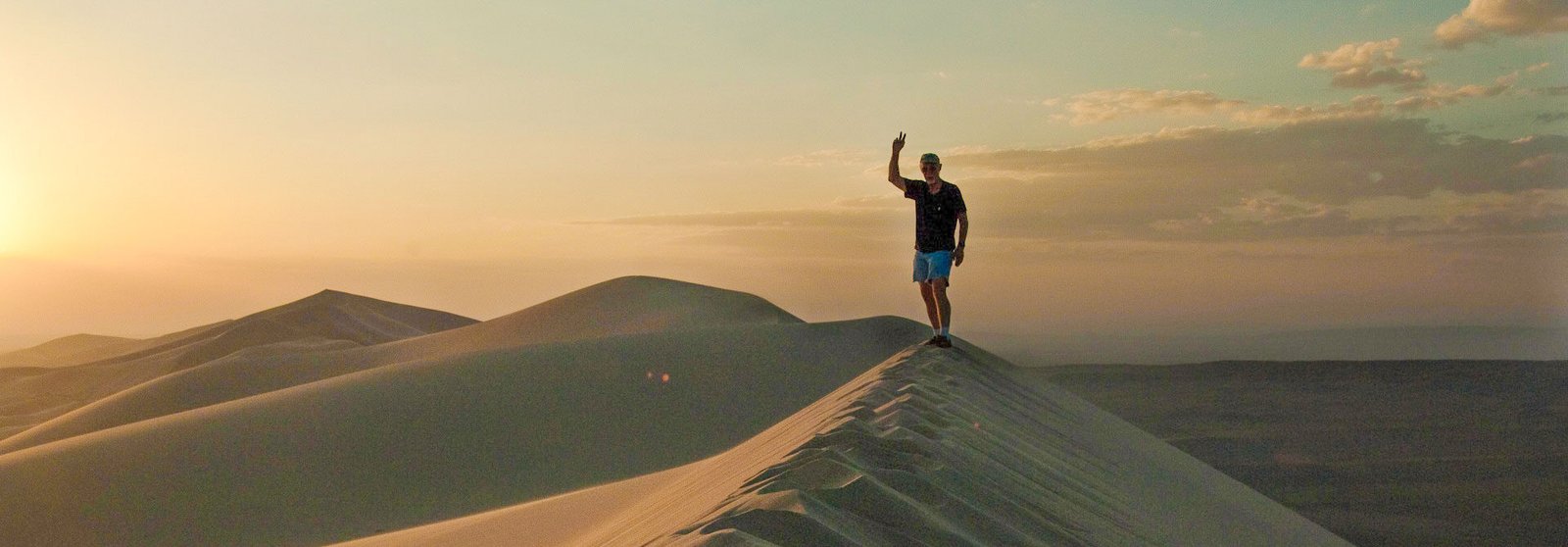
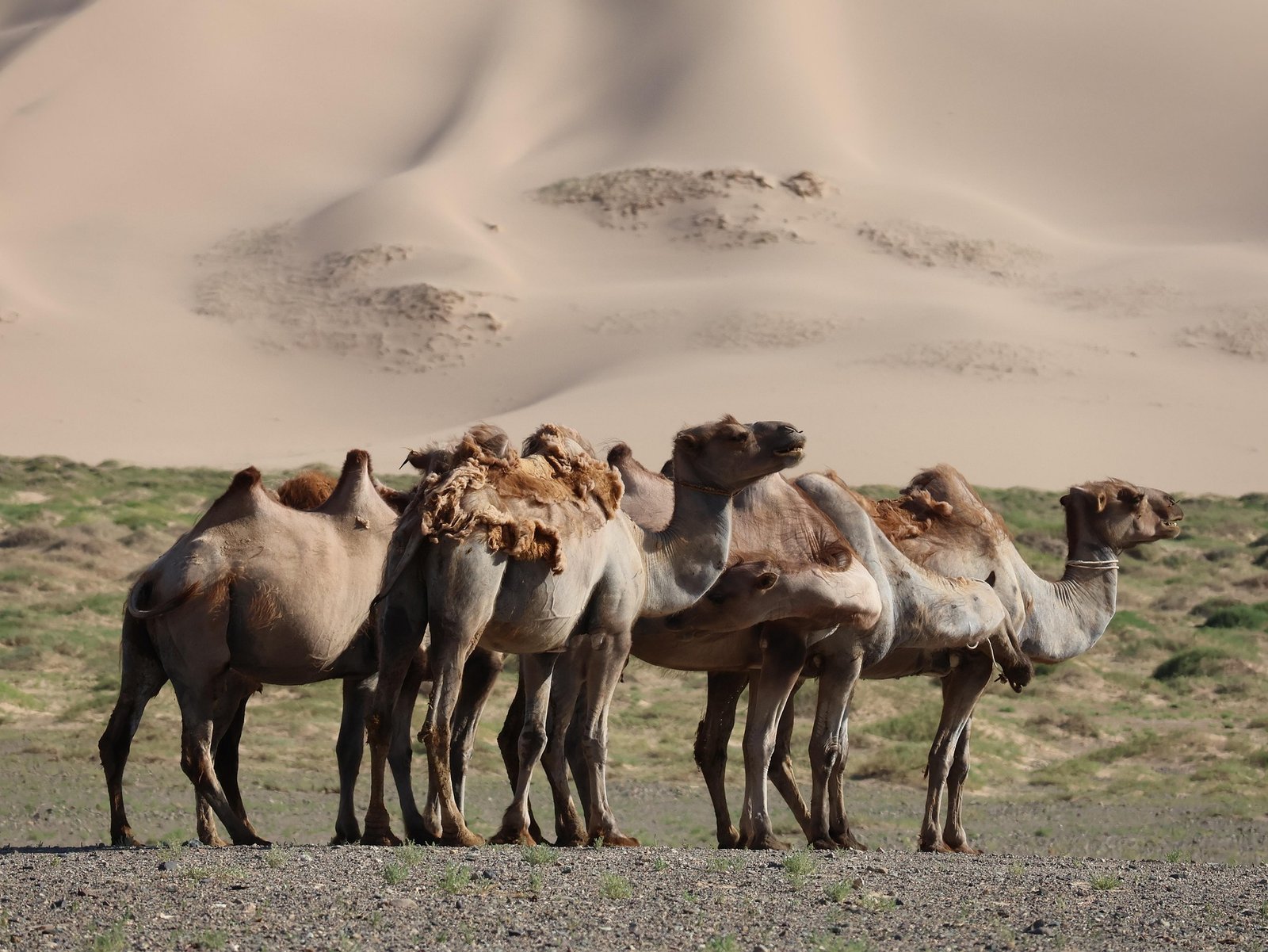
Khongor Sand Dunes: ride Bactrian camels at sunset along Mongolia's longest dune field — 180 km of singing sand
Yoliin Am Ice Gorge: hike deep into a narrow canyon where ice persists well into summer, framed by soaring vultures
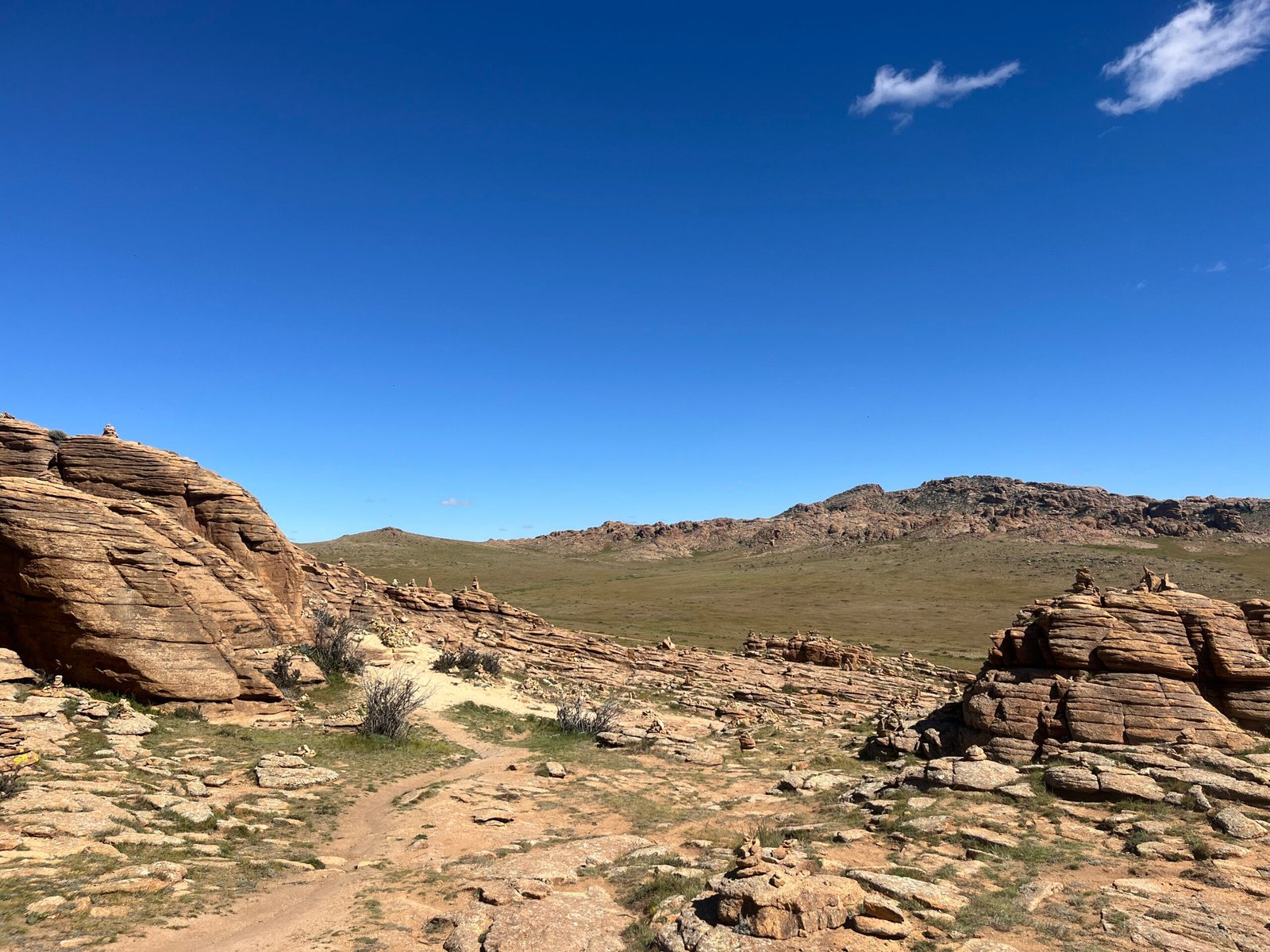
Baga Gazriin Chuluu: scramble granite boulders etched with ancient petroglyphs and shelter in caves used by the great monk Danzan Ravjaa
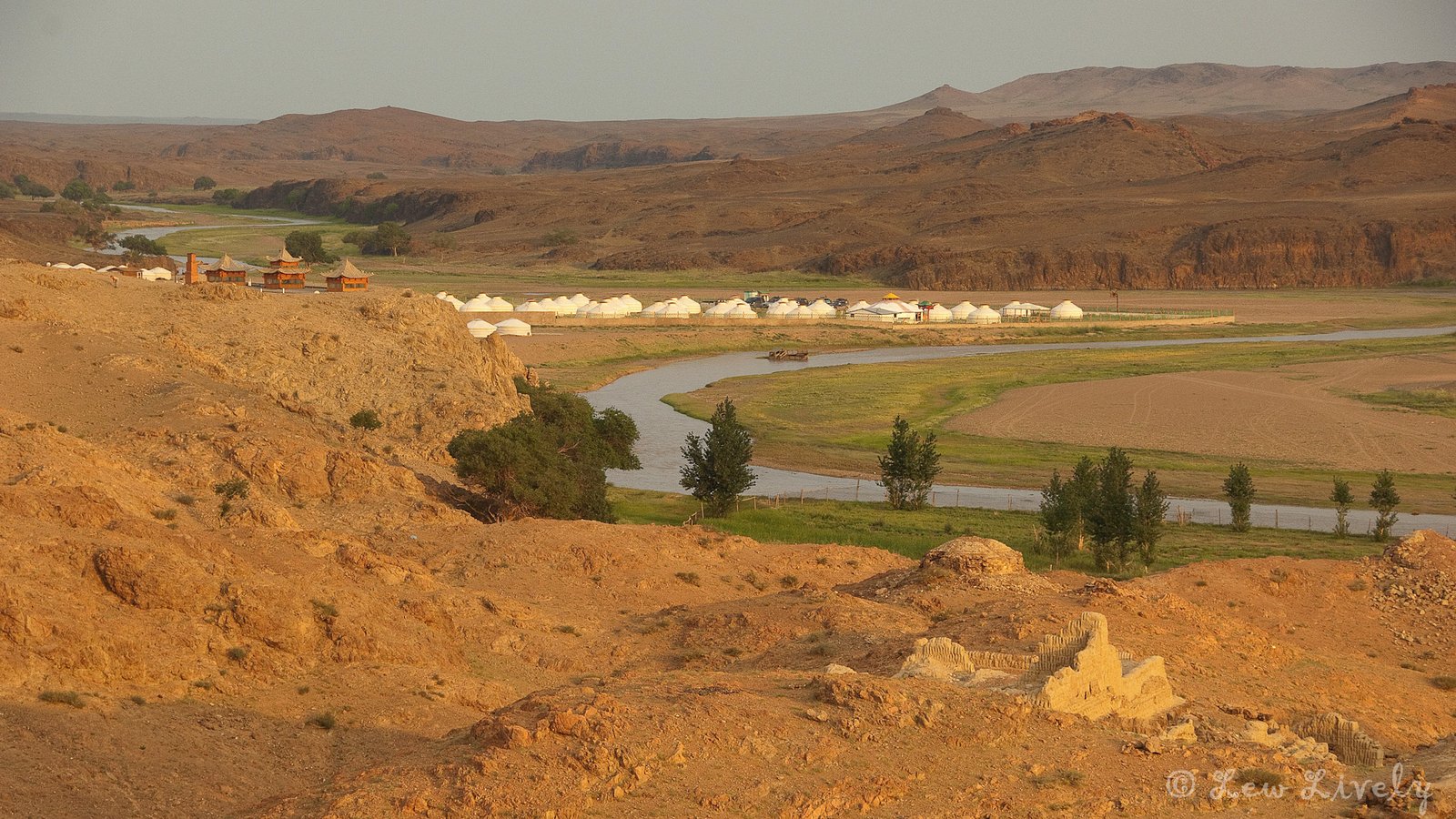
Nomadic family stays: sleep in a real working ger and share meals with a herding family — no staged performances, just genuine daily life
This fantastic festival celebrating the Kazakhs' honoured Eagle is also a celebration of Kazakh traditional heritage. In order to maintain the event as a festival for the Kazakhs themselves, attendance is limited. The highlight of this fantastic trip is interacting with the Kazakhs and other ethnic groups and living with them for a couple of days to take part in the eagle training and get to know about the unique Kazakh culture. Landscape and cultural sightseeing blend easily in Mongolia – you will have the chance to visit families of nomads, remote Buddhist monasteries and traditional events, and to take part in horse-riding or guided walking if you wish – there are also endless opportunities for photography.
- 4WD Land Cruiser
- 1-12 Guests
- 7-Day, 6-Night
- Full-Time English-Speaking Guide
- Available June - September
INCLUTIONS & EXCLUSIONS
Inclusions:
- All ground transport in a private 4WD vehicle
- Professional English-speaking guide throughout
- 6 nights accommodation (mix of ger camps and nomadic family stays)
- All meals as listed in itinerary (B = breakfast, L = lunch, D = dinner)
- Camel riding at Khongor Sand Dunes
- All national park and site entrance fees
- Drinking water throughout the tour
- Airport pick-up and drop-off in Ulaanbaatar
Exclusions:
- International flights to/from Ulaanbaatar
- Travel insurance (required)
- Visa fees
- Personal spending and souvenirs
- Alcoholic beverages
- Optional activities not listed in itinerary
- Tips for guide and driver (appreciated)
from our gallery
day 1, September 18, 2026
Arrival in Ulaanbaatar
Airport transfer
Duration: 30-45 min drive from Chinggis Khaan International Airport
Welcome briefing & city orientation
Duration: 2 hours
Optional: Sukhbaatar Square evening walk
Duration: 1 hour
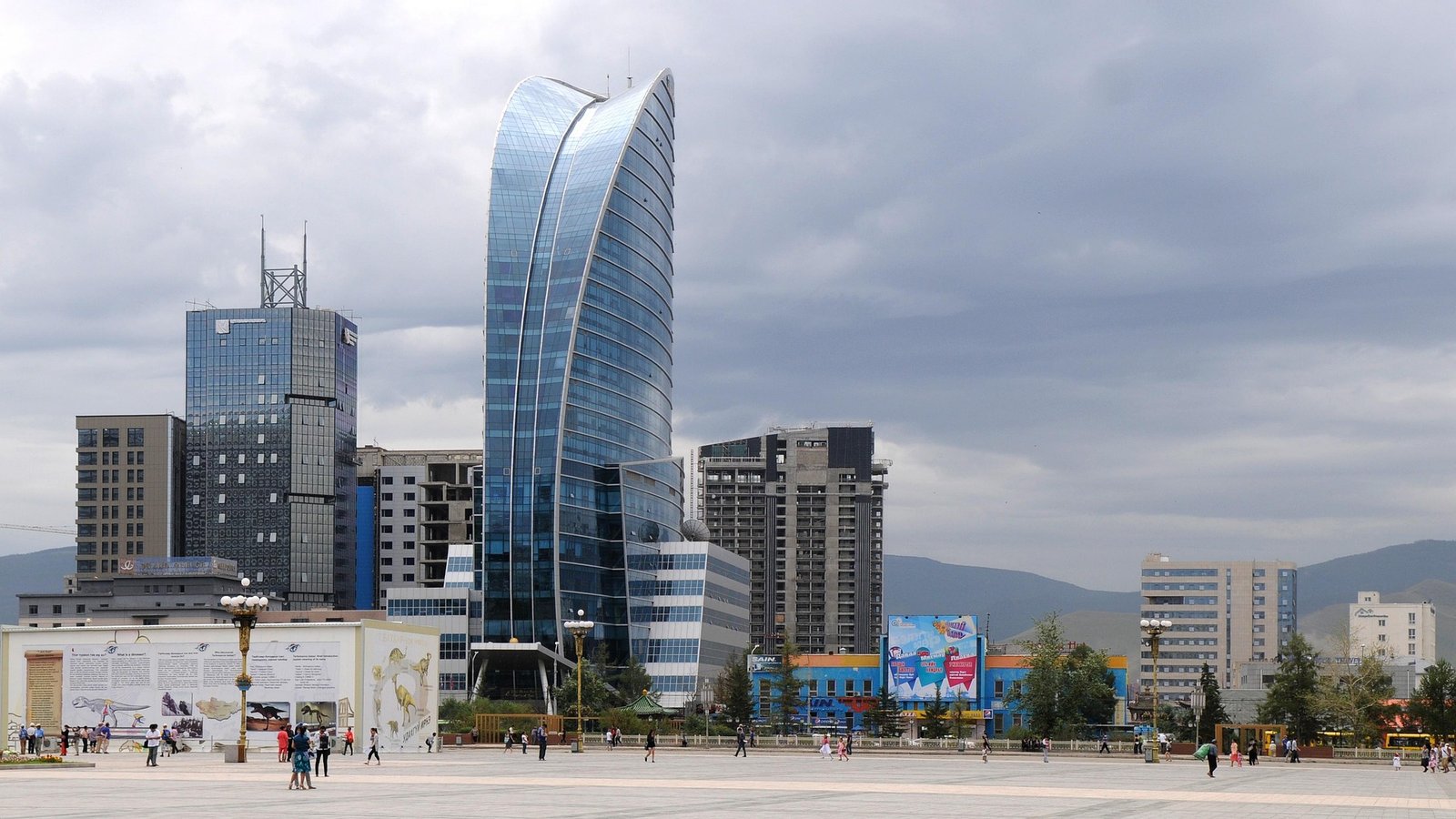
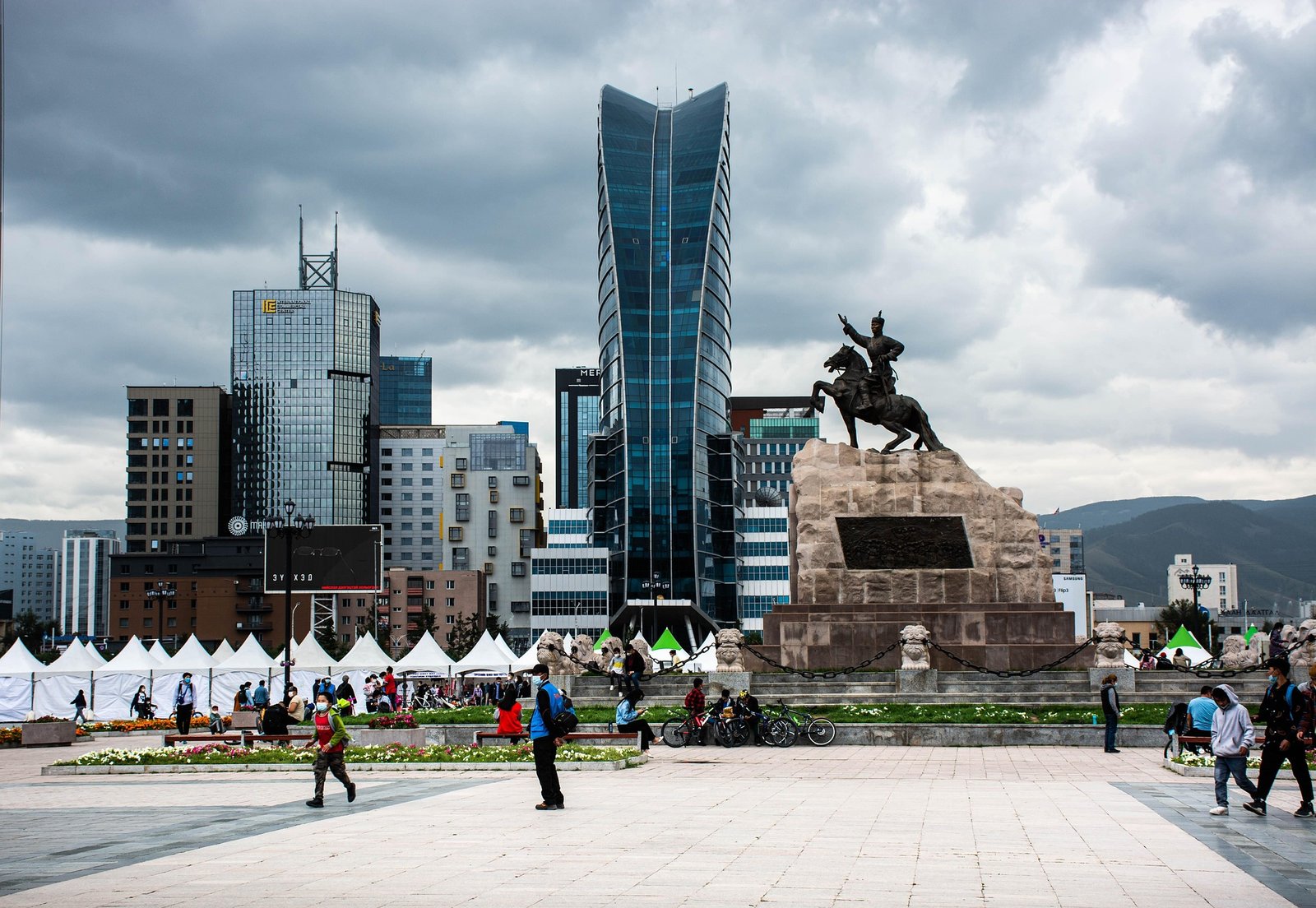
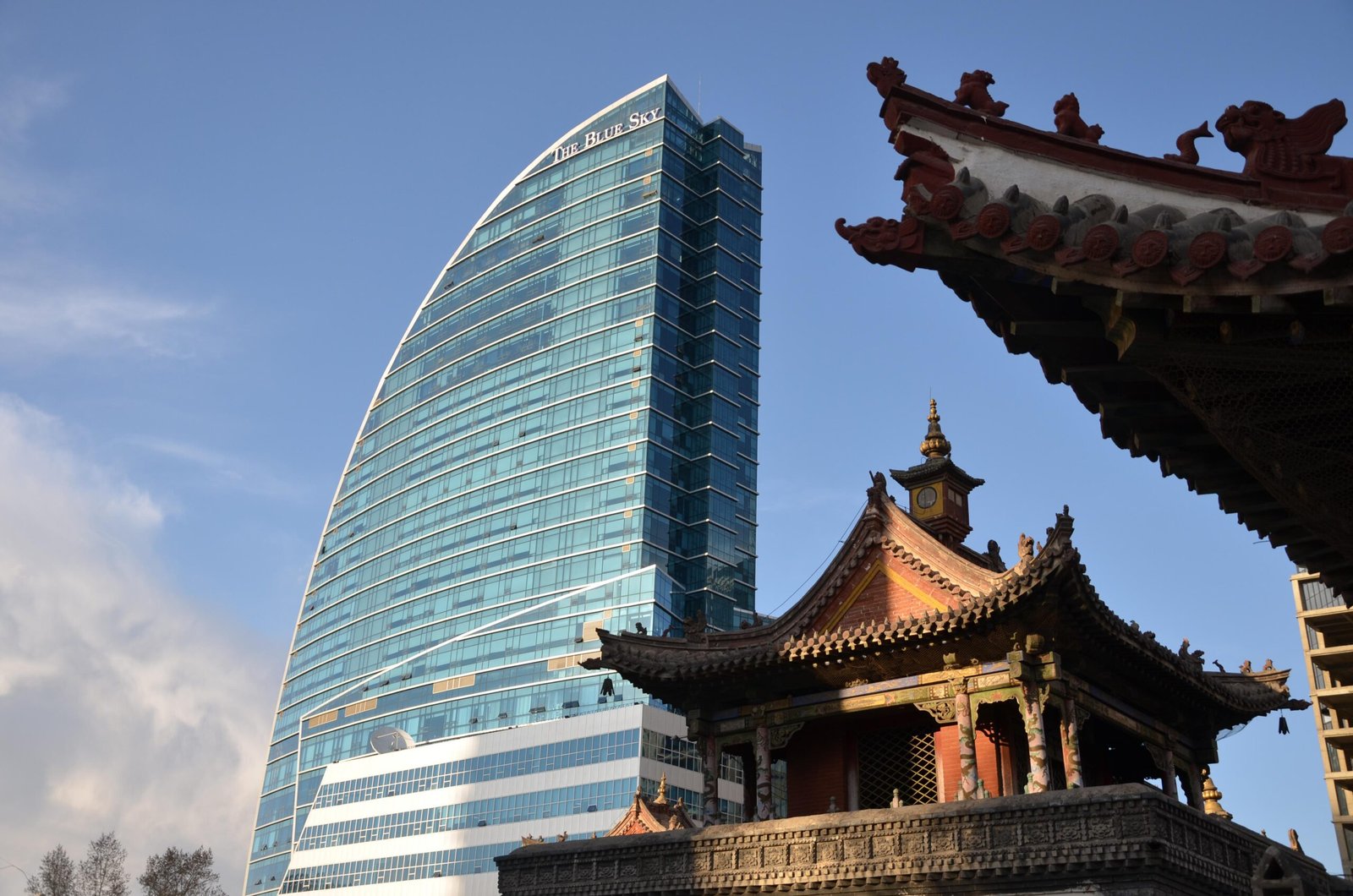
Your guide meets you at Chinggis Khaan International Airport and transfers you to your hotel in the city centre. Ulaanbaatar is a city of sharp contrasts — Soviet-era apartment blocks share the skyline with gleaming glass towers, and the smell of buuz drifts out of every side street. After a welcome dinner and a short briefing on what the next seven days hold, get an early night. The Gobi awaits.

Day 2, September 19, 2026
Ulaanbaatar to Baga Gazriin Chuluu
Depart Ulaanbaatar heading south
Duration: 4-5 hour drive on paved and dirt roads
Explore granite boulder formations and petroglyphs
Duration: 3 hours on foot
Visit caves associated with the monk-poet Danzan Ravjaa
Duration: 1 hour
Overnight in nomadic family ger (homestay)
You leave the asphalt behind within an hour of Ulaanbaatar, trading city traffic for a wide open steppe that seems to have no edges. The granite outcrops of Baga Gazriin Chuluu rise from the flat plain without warning — a cluster of ancient boulders carved by wind and time into towers, arches, and narrow passages. Scramble up to the petroglyphs scratched into the stone thousands of years ago, and duck into the meditation caves where the revered monk-poet Danzan Ravjaa once retreated. Your guide will tell you his story over lunch. In the evening, a local herding family welcomes you into their ger for dinner.
day 1, September 18, 2026
Baga Gazriin Chuluu to Ongi Monastery
Drive south to Ongi Monastery ruins
Duration: 4-5 hour drive
Explore the ruins of two monastery complexes
Duration: 2 hours
Walk along the Ongi River banks
Duration: 1 hour
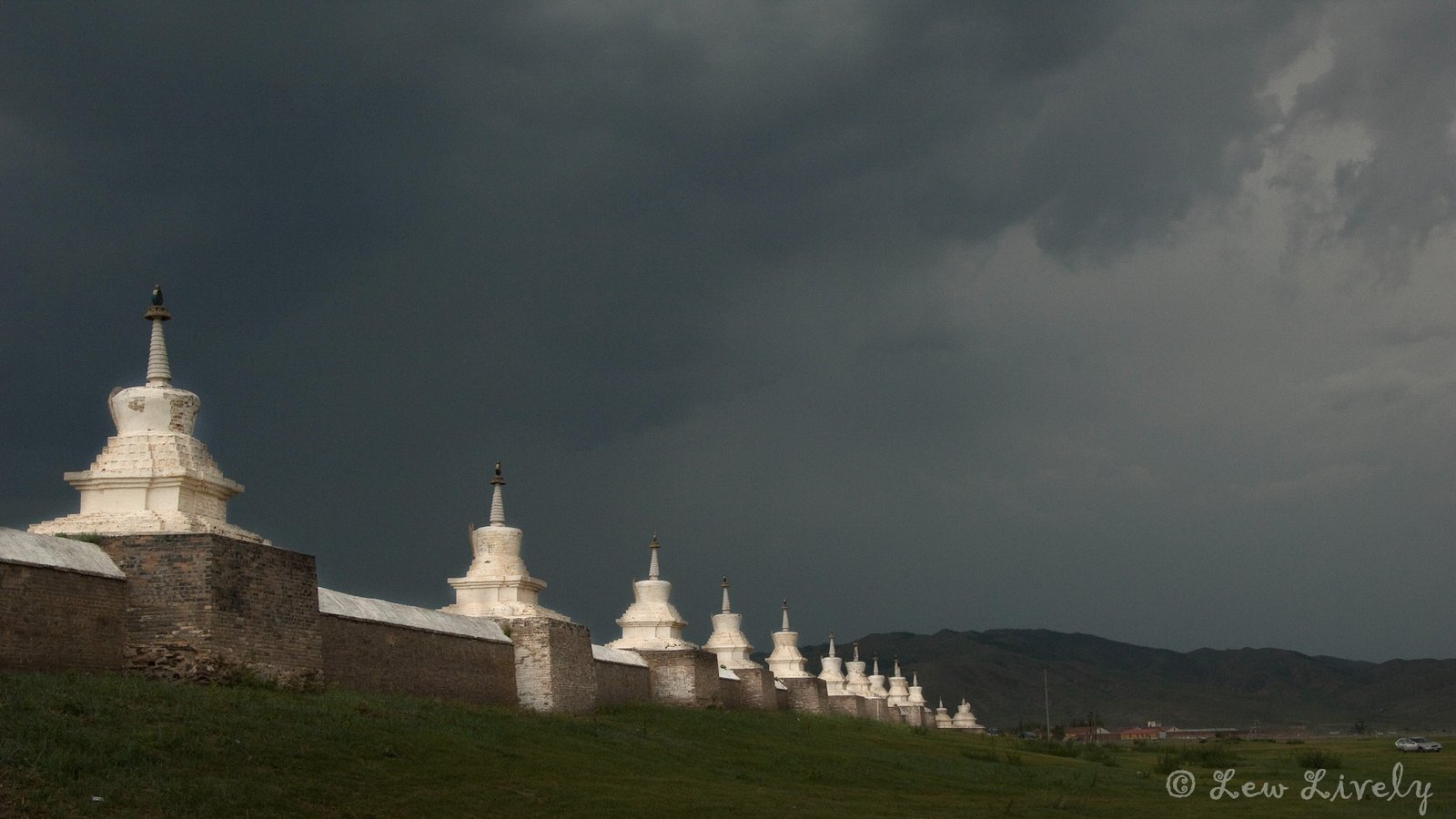
The drive south deepens the silence of the landscape. By the time you reach the Ongi River, the earth has taken on a drier, more ochre cast. Before the communist purges of the 1930s, Ongi Monastery was one of the largest religious complexes in Mongolia — nearly 30 temples, home to over 1,000 monks. What remains are beautiful ruins: crumbled walls, carved stone fragments, and a small working temple rebuilt in recent decades. Your guide walks you through the history of what was lost and what survived. The evening belongs to the sound of the river and a sky full of stars.
Day 2, September 19, 2026
Ongi to the Flaming Cliffs of Bayanzag
Drive to Bayanzag (Flaming Cliffs)
Duration: 3-4 hour drive
Explore the fossil beds and canyon rim
Duration: 2-3 hours
Sunset walk along the cliff edge
Duration: 1 hour
Overnight in tourist ger camp near Bayanzag
Nothing quite prepares you for the first sight of Bayanzag. The cliffs glow deep red and orange in the afternoon light — hence their name — and stretch for several kilometres across a flat desert basin. Roy Chapman Andrews discovered the world’s first fossilised dinosaur eggs here in 1923, and the site has drawn paleontologists and travellers ever since. You’ll walk the canyon rim with your guide, who can point out the rock layers where fossils still occasionally surface. Stay until the light fails: the cliffs at dusk turn a colour that photographs can barely capture.
day 1, September 18, 2026
Bayanzag to Khongor Sand Dunes
Drive to Khongor Sand Dunes
Duration: 3-4 hour drive
Camel ride along the dune base
Duration: 1.5 hours
Climb the dune crest for sunset panorama
Duration: 1 hour
At 180 kilometres long and up to 200 metres high, Khongor is the largest dune system in Mongolia. The first thing you hear before you see them is the low resonant hum the wind makes as it moves across the crests — local people call them the “Singing Sands.” A Bactrian camel takes you along the base of the dunes in the late afternoon, and if you have the energy, the climb to the top rewards you with a view across the Gobi that makes the effort entirely worthwhile. Dinner is waiting back at camp when you descend.
Day 2, September 19, 2026
Khongor Sand Dunes to Yoliin Am
Drive to Yoliin Am (Eagle Valley), Gobi Gurvan Saikhan National Park
Duration: 3-4 hour drive
Hike into the gorge
Duration: 2-3 hours hiking, easy-moderate terrain
Overnight in tourist ger camp near Yoliin Am
Meals: Breakfast, Lunch, Dinner
Yoliin Am is one of the Gobi’s great surprises. A deep, narrow gorge carved into the Zuun Saikhan mountains, it stays so cold at the base that a sheet of ice can persist well into July. You hike in through progressively tighter canyon walls, watched by lammergeier vultures riding thermals above. The contrast between the baking desert outside and the cool shadow inside the gorge is stark and memorable. Keep your eyes on the rockfaces — ibex are sometimes visible on ledges that seem impossibly steep.
day 1, September 18, 2026
Tsagaan Suvarga & Return to Ulaanbaatar
Morning visit to Tsagaan Suvarga limestone cliffs
Duration: 1.5 hours
Drive north back to Ulaanbaatar
Duration: 6-7 hours drive
Farewell dinner in Ulaanbaatar
Duration: 2 hours
A morning stop at the Tsagaan Suvarga limestone formations — pale white and terracotta cliffs that stand in dramatic terraced layers above the desert floor — makes a fitting final image of the Gobi before the long drive north. The landscape shifts gradually as you move back toward Ulaanbaatar: sand gives way to gravel, gravel to steppe grass, steppe to the scattered gers of the periurban fringes. A farewell dinner in the city closes the week. Seven days ago the Gobi was a name on a map. Now it is somewhere you have been.

Mon - Fri, 9.00am until 6.30pm