Khuvsgul Lake Explorer
mongolia
Khuvsgul Lake Explorer
Lake Khuvsgul is Mongolia's largest freshwater lake by volume -- 136 kilometers long, 262 meters deep, and surrounded by taiga forest that looks more like Scandinavia than Central Asia. This tour combines the lake with a visit to the Tsaatan reindeer herders, one of the last nomadic communities in the world who live entirely with reindeer in the northern taiga.
Explore the shores of Lake Khuvsgul -- Mongolia's deepest lake at 262 meters, draining into Lake Baikal
Visit Tsaatan reindeer herders, one of the last nomadic communities in the world who live with reindeer
Horseback ride through taiga forest along the lake's western shore with a local herder guide
Kayak on Khuvsgul's crystal-clear water surrounded by larch forest and snow-dusted mountain peaks
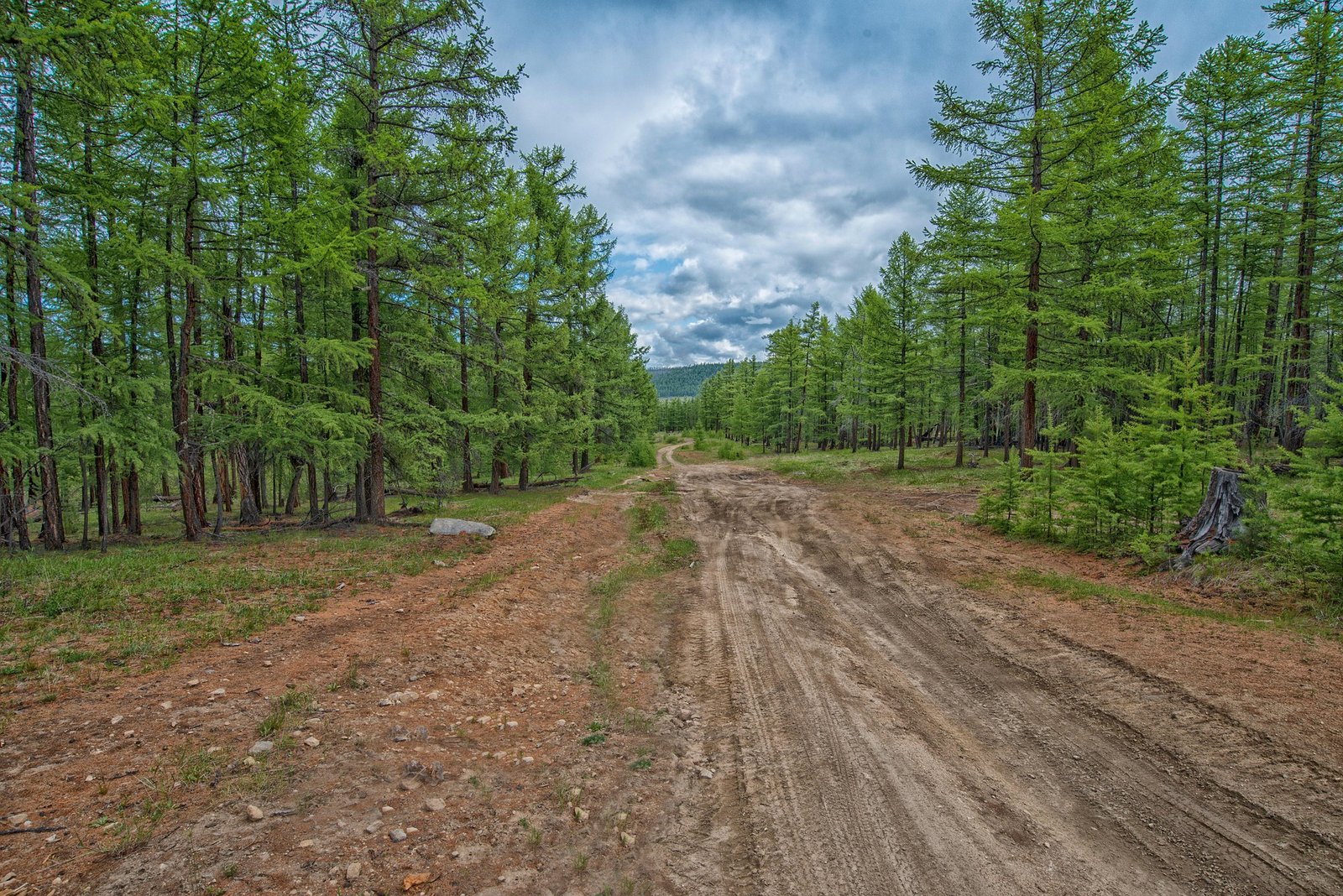
Trek through pristine boreal forest -- Mongolia's only taiga region, unlike anywhere else in the country
Khuvsgul holds nearly 70 percent of Mongolia's fresh water and drains northward into Lake Baikal in Russia. The landscape around it -- larch forest, mountain ridges, cold clear water -- is entirely different from the steppe and desert that define the rest of the country. The lake is sacred to Mongolians and has been for as long as anyone can remember. The Tsaatan people to the north number fewer than 400 individuals and live in conical tipis, moving with their reindeer herds through the taiga on routes that have not changed for thousands of years. This tour reaches both -- the lake by horseback and kayak, the Tsaatan by 4WD and a forest trek that takes you into one of the most remote inhabited landscapes in Central Asia.
- 4WD Vehicle + Domestic Flight
- 1-8 guests
- 8-Day, 7-Night
- Fulltime English Speaking Tour Guide
- Available May - October
INCLUTIONS & EXCLUSIONS
Inclusions:
- Airport transfers (arrival and departure)
- Return domestic flights Ulaanbaatar to Murun (Khuvsgul Province)
- All 4WD transport on the ground
- 4 nights in ger camp on Khuvsgul Lake shore
- 1 night with Tsaatan reindeer herder family
- 2 nights hotel (1 Ulaanbaatar, 1 Murun)
- All meals throughout the tour (breakfast, lunch, dinner)
- Kayak hire and safety equipment for lake day
- Horseback riding with local herder guide (Day 3)
- English-speaking guide throughout
- Tsaatan community visit contribution (supports local family directly)
Exclusions:
- International flights
- Mongolia visa fees
- Travel insurance (required)
- Alcoholic beverages
- Personal fishing equipment (rod hire available at lake camp)
- Personal purchases and souvenirs
- Tips for guide, driver, horse handler
from our gallery
Day 1: Arrive in Ulaanbaatar
Airport Transfer
Duration: 30-45 minutes from Chinggis Khaan International Airport to city center hotel.
City Orientation
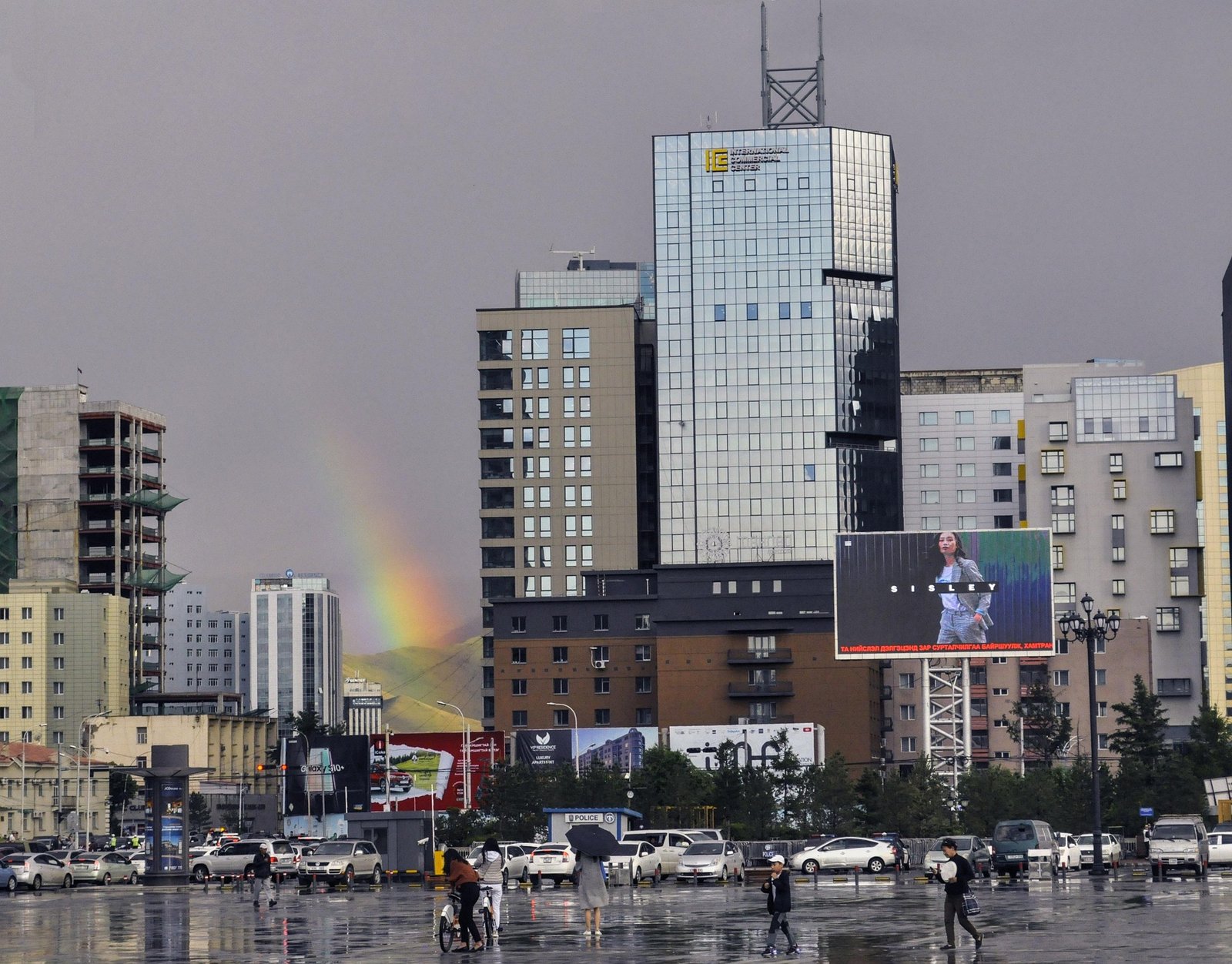
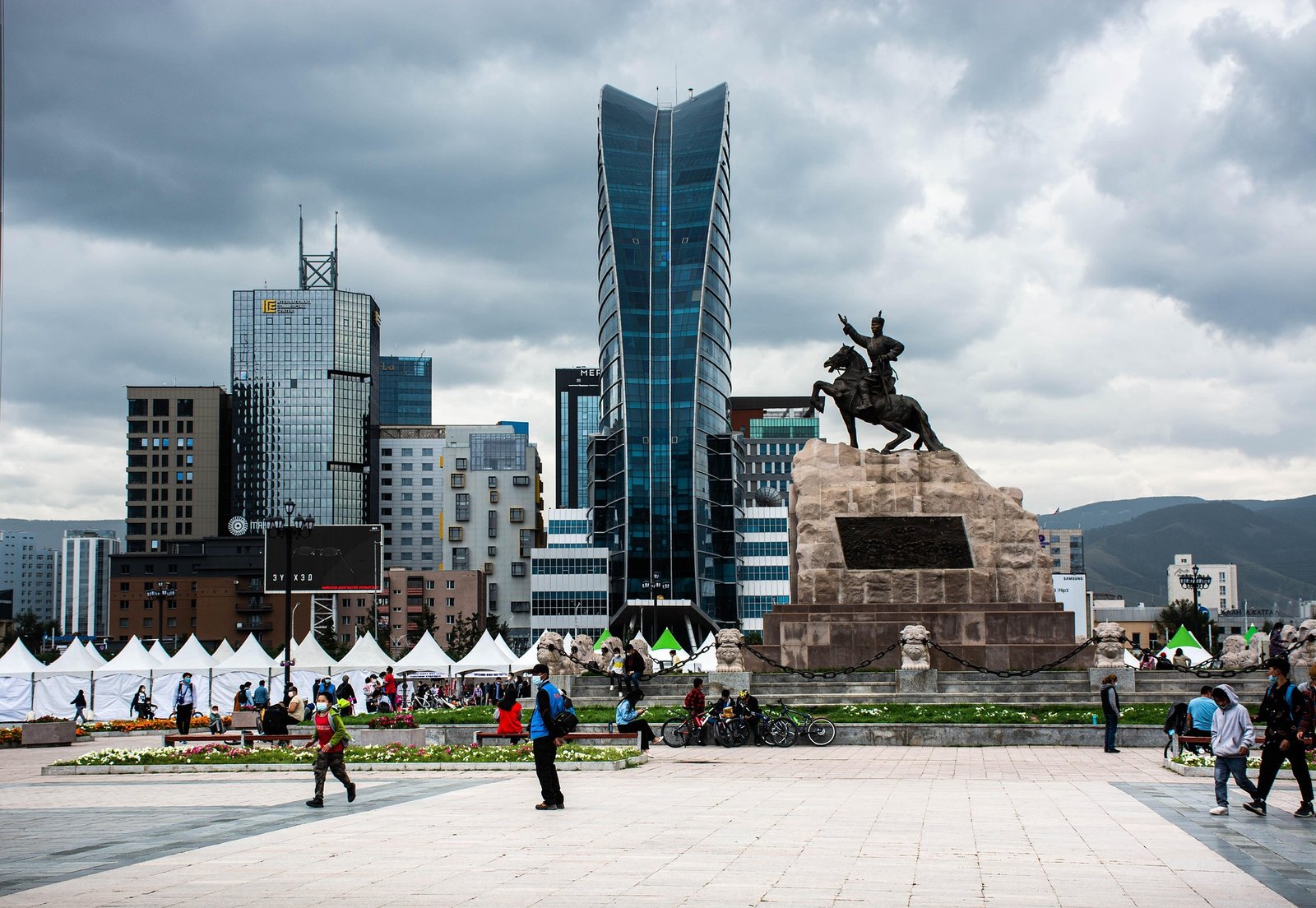
Duration: 2 hours. Walk Sukhbaatar Square, the Government Palace, and the Gandan Monastery district. Your guide explains what to expect in the north.
Overnight: Hotel in central Ulaanbaatar
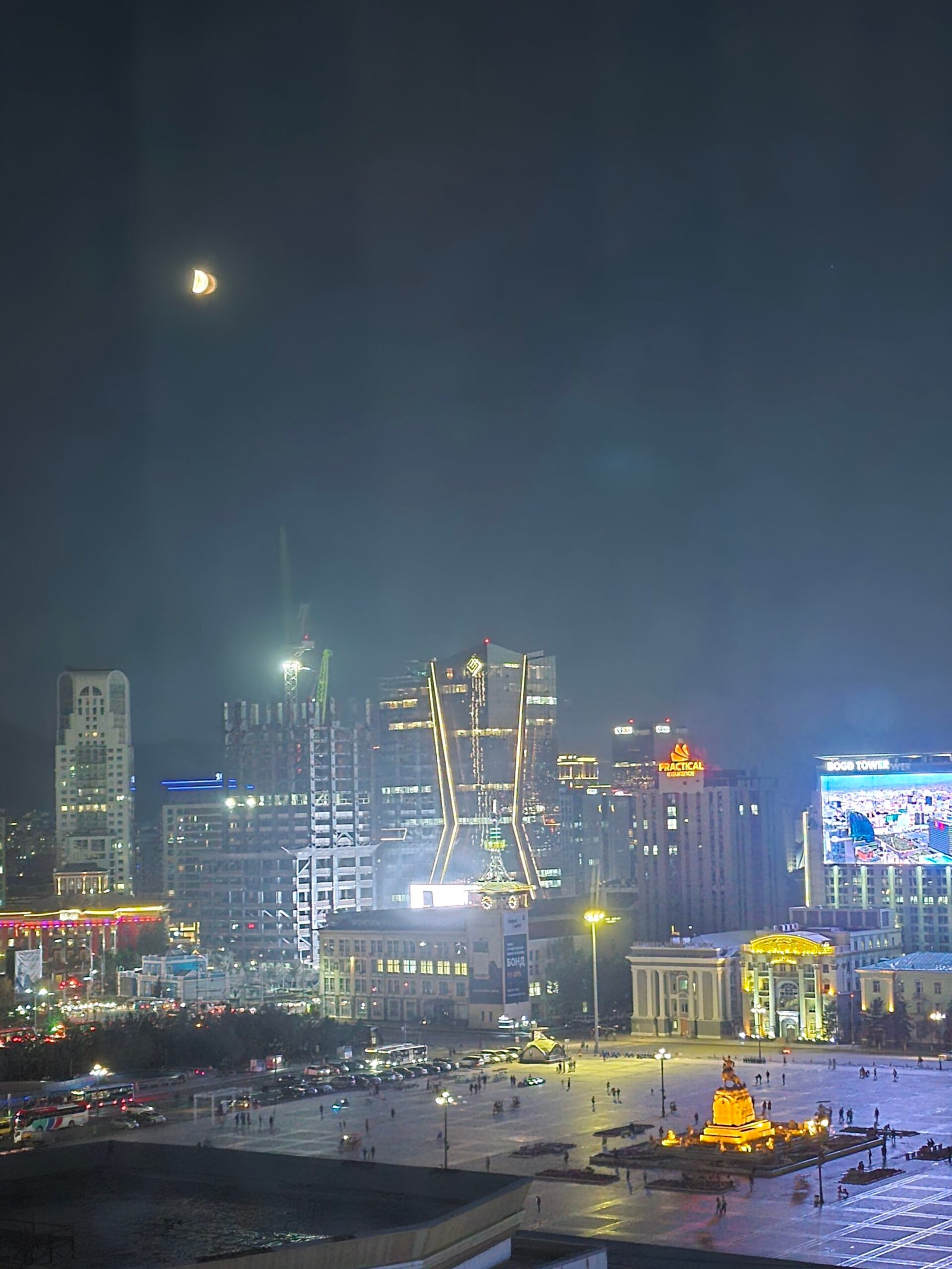
Your guide meets you at the airport and brings you into Ulaanbaatar for one night before the flight north. The capital is worth an evening — the contrast between its Soviet-era apartment blocks, modern glass towers, and the Buddhist monasteries tucked between them tells the story of the last century more clearly than any museum.
Tonight your guide walks you through Sukhbaatar Square and explains the geography of what lies ahead: four hours north by plane, a landscape entirely different from the steppe — boreal forest, cold deep water, and a lake that has been sacred to Mongolians for as long as anyone can remember.
Day 2: Fly to Murun & Drive to Lake Khuvsgul
Flight Ulaanbaatar to Murun
Duration: approximately 1.5 hours. Murun is the provincial capital of Khuvsgul Province.
Drive to Lake Khuvsgul Shore
Duration: 3 hours (180km). The road passes through taiga forest and increasingly wild mountain terrain before reaching the southern shore of the lake.
Afternoon Walk on Khuvsgul Shore
Duration: 1-2 hours. A first walk along the lake to settle in and orient yourself. The water is cold, clear, and completely undeveloped on the western shore.
Overnight: Ger camp on Khuvsgul Lake shore
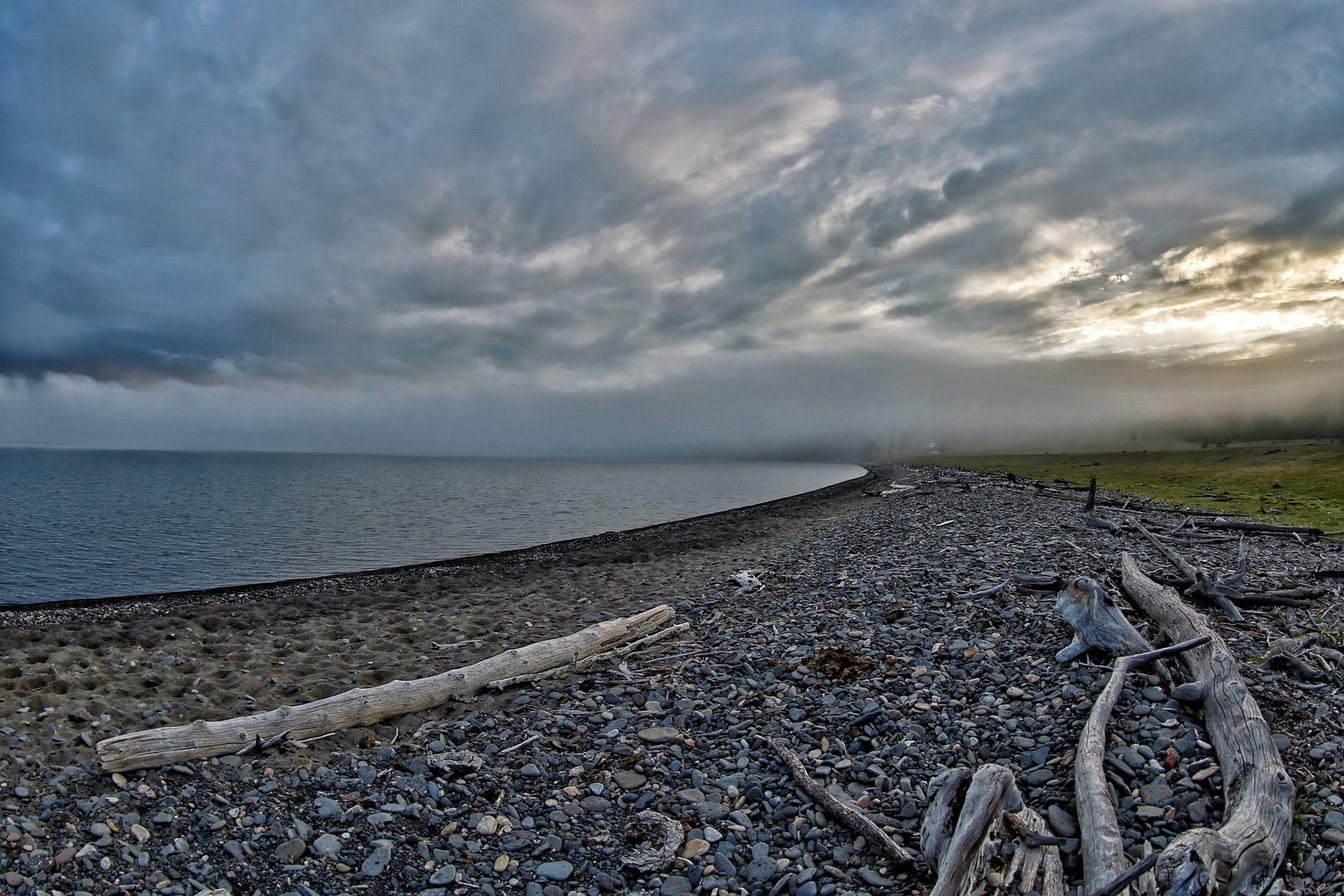
The flight north deposits you in Murun, a small provincial town on the steppe, and the 3-hour drive from there to Khuvsgul passes through a landscape transition that is worth watching: steppe giving way to larch and pine, the mountains closing in, and then the lake appearing — 136 kilometers of blue water in a forest valley that looks more like Scandinavia than Central Asia.
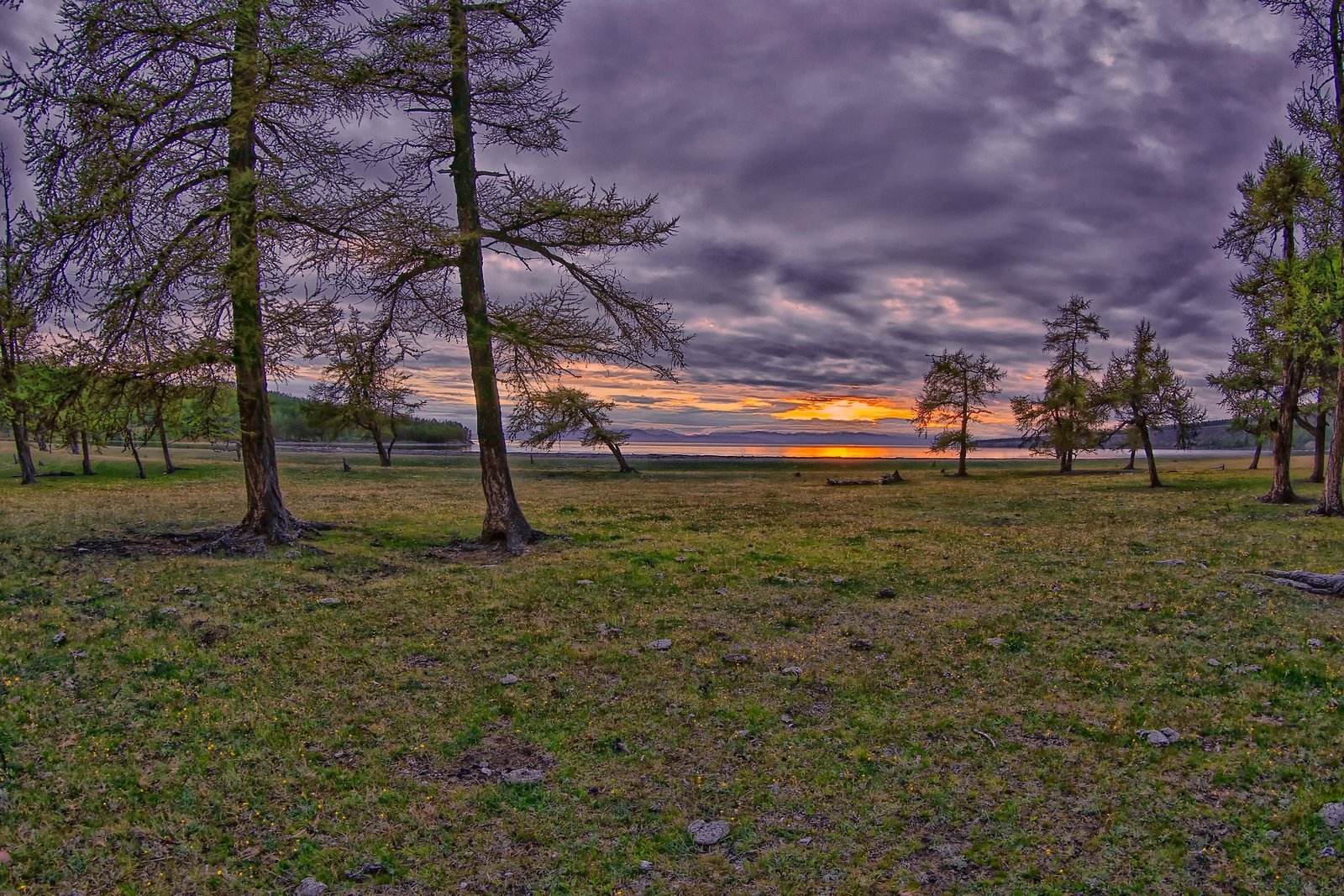
Your ger camp sits on the shore. The lake is Mongolia’s largest freshwater body by volume and drains northward into Lake Baikal in Russia. Locals have considered it sacred for centuries. On a still evening, the reflections of the larch forest in the water and the silence of a place this far from any city make the distance traveled feel very much worthwhile.
Day 3: Horseback Riding Along the Lake Shore
Morning Horseback Ride
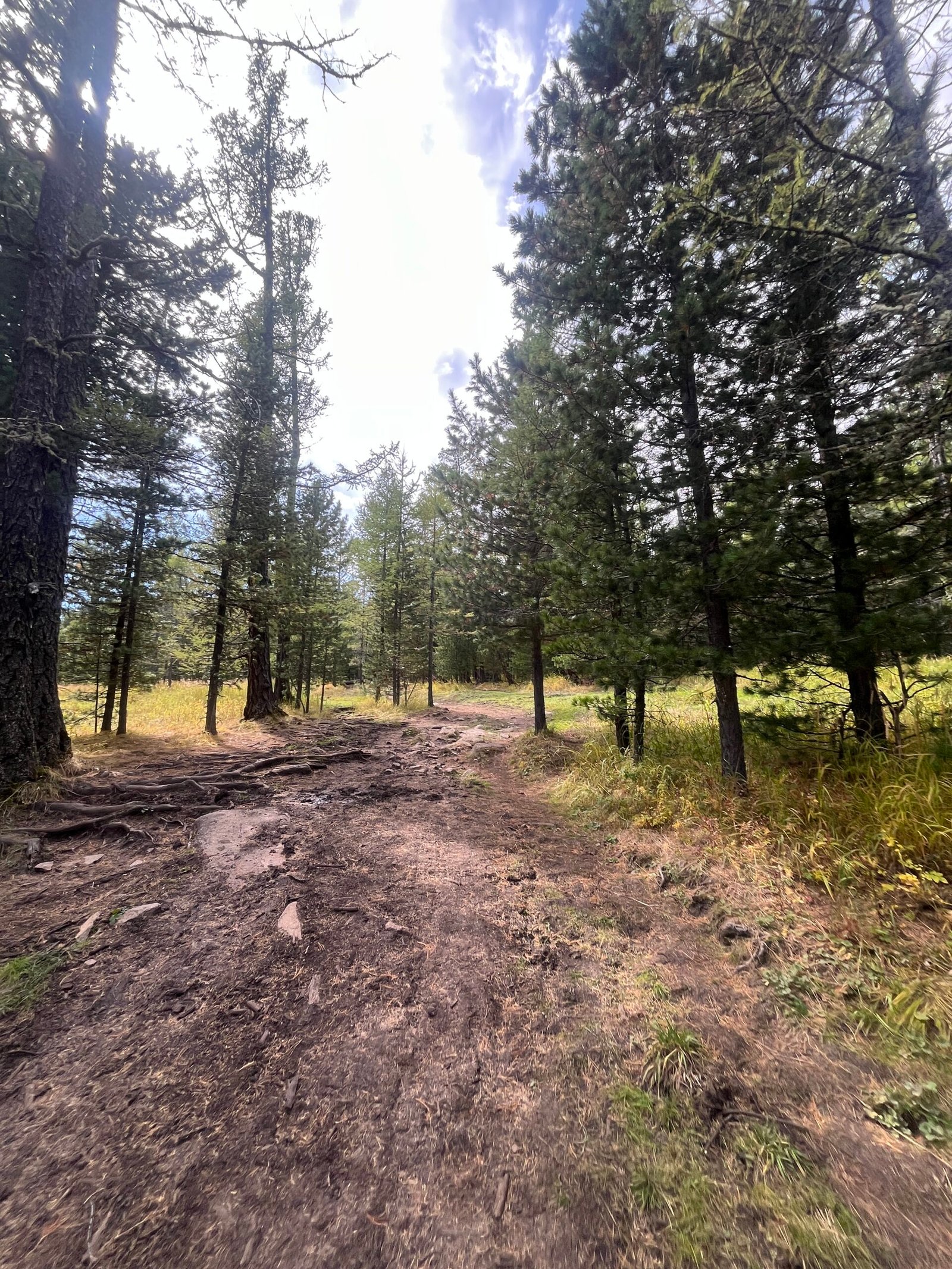
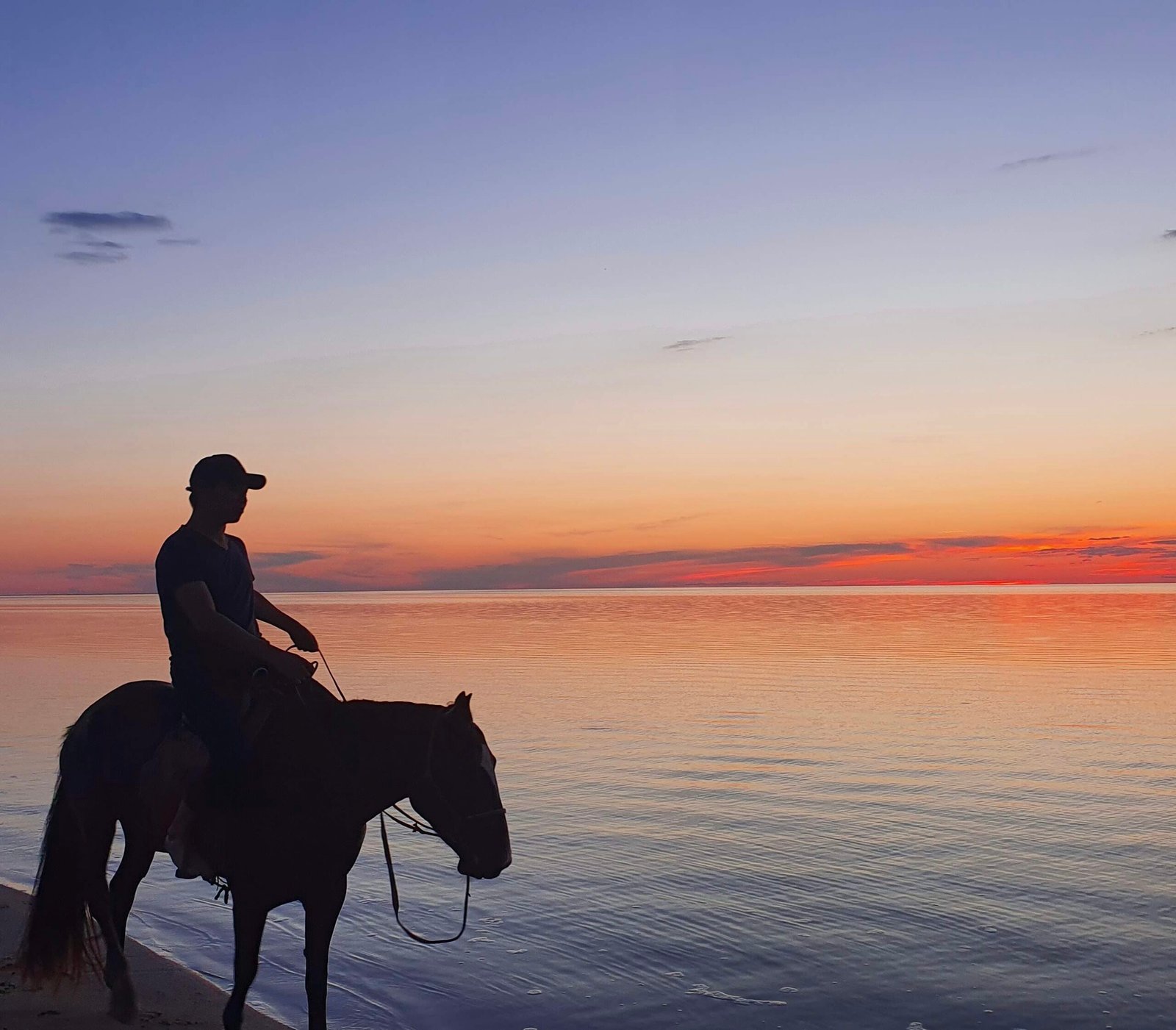
Duration: 4-5 hours. Ride along the western shore of Khuvsgul with a local herder guide who knows the forest tracks. The terrain alternates between open lakeside meadows and sections of dense taiga forest.
Picnic Lunch on Shore
Duration: 1 hour. Lakeside picnic at a sheltered bay -- cold, clear water, forest behind, and the open lake stretching north to the Russian border.
Overnight: Ger camp on Khuvsgul Lake shore
Riding through the taiga forest along Khuvsgul’s shore is one of the distinctive experiences of this region — the trails are narrow, the forest dense, and the occasional clearing opens onto the lake with enough space to see how enormous and blue and empty it is. Your local guide knows where the forest thins enough for a proper canter and where the ground is too soft.
The midday stop is at a sheltered bay where the horses drink and you eat. The water temperature in summer runs around 10-15 degrees Celsius even in July — cold enough to be genuinely refreshing after a morning in the saddle. Afternoon is free time at camp: fish from the shore, swim, or simply sit.
Day 4: Visit the Tsaatan Reindeer Herders
Drive & Trek to Tsaatan Camp
Duration: 2-3 hours by 4WD and foot. The Tsaatan camp location shifts seasonally. Your guide has prior contact with the family to confirm access and timing.
Time with Tsaatan Family
Duration: 2-3 hours. Visit the family's tipi camp, meet their reindeer herd, and hear about the Tsaatan way of life -- one of the last remaining reindeer-herding cultures in the world. Your visit contributes directly to the family's income.
Overnight: Tsaatan family guest tipi (or adjacent guest shelter)
Meals: Breakfast, Lunch, Dinner
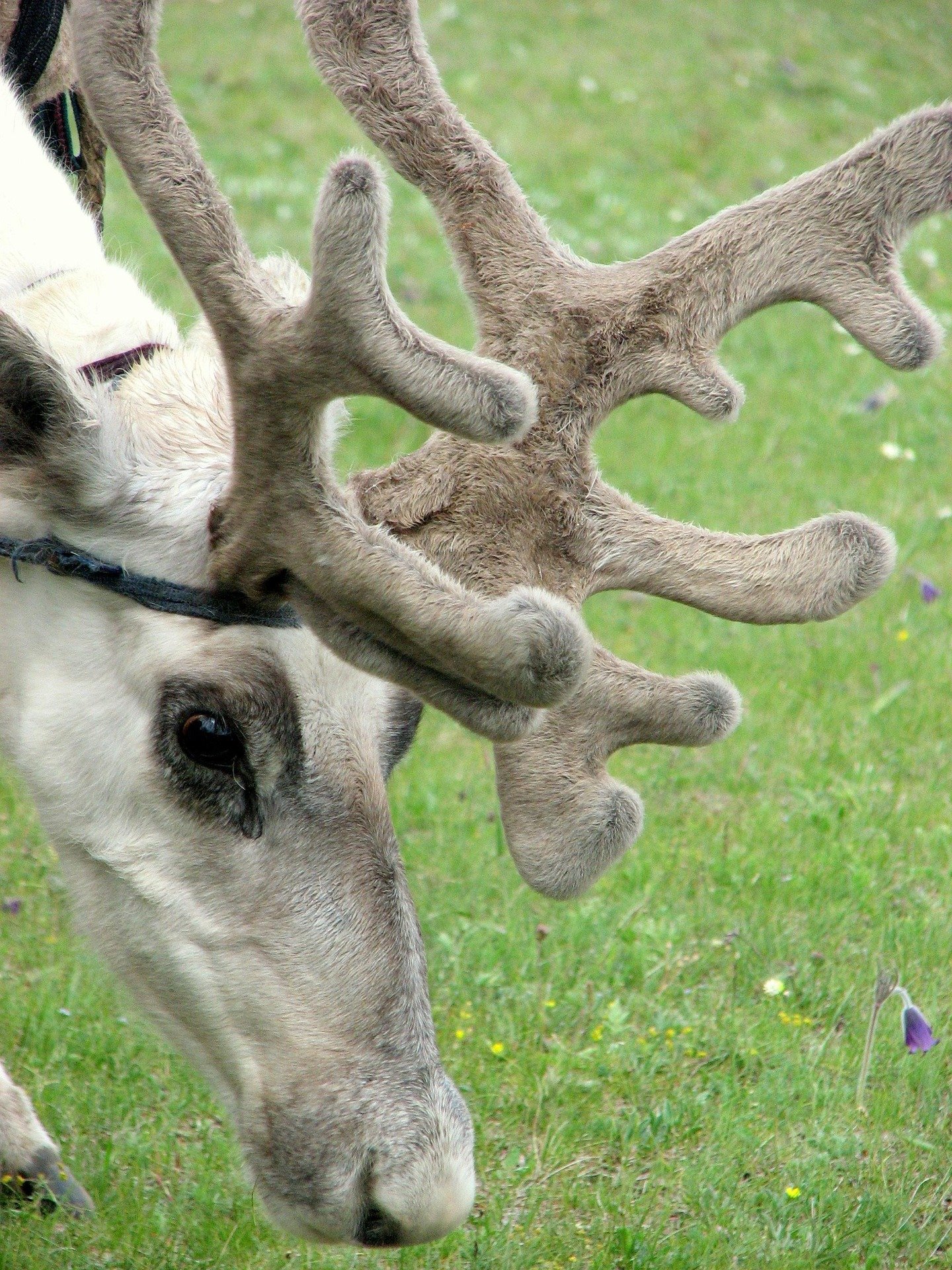
The Tsaatan — whose name means ‘people with reindeer’ in Mongolian — number fewer than 400 individuals and live entirely within the taiga north of Khuvsgul. Unlike the ger-dwelling nomads of the steppe, they live in conical tipis (ortz), move on reindeer, and have maintained a way of life largely unchanged for thousands of years.
Access to the camp requires advance arrangement, which your guide manages directly with the family. The visit is not a performance — you arrive at a working camp, meet the reindeer, and sit with the family through the afternoon and evening. Your guide translates the conversation about the animals, the forest, the challenges of maintaining this life in the modern world. It is one of those rare experiences that changes how you understand the range of ways humans have found to live on this planet.
Day 5: Forest Trek & Lake Return
Morning Trek through Taiga Forest
Duration: 3-4 hours hiking. Walk through boreal forest above the lake on trails used by the Tsaatan when moving their herds. Your guide identifies plant species and explains the ecology of Mongolia's only taiga region.
Return to Ger Camp
Duration: 2-3 hours by 4WD from the Tsaatan area back to the lake shore camp.
Overnight: Ger camp on Khuvsgul Lake shore
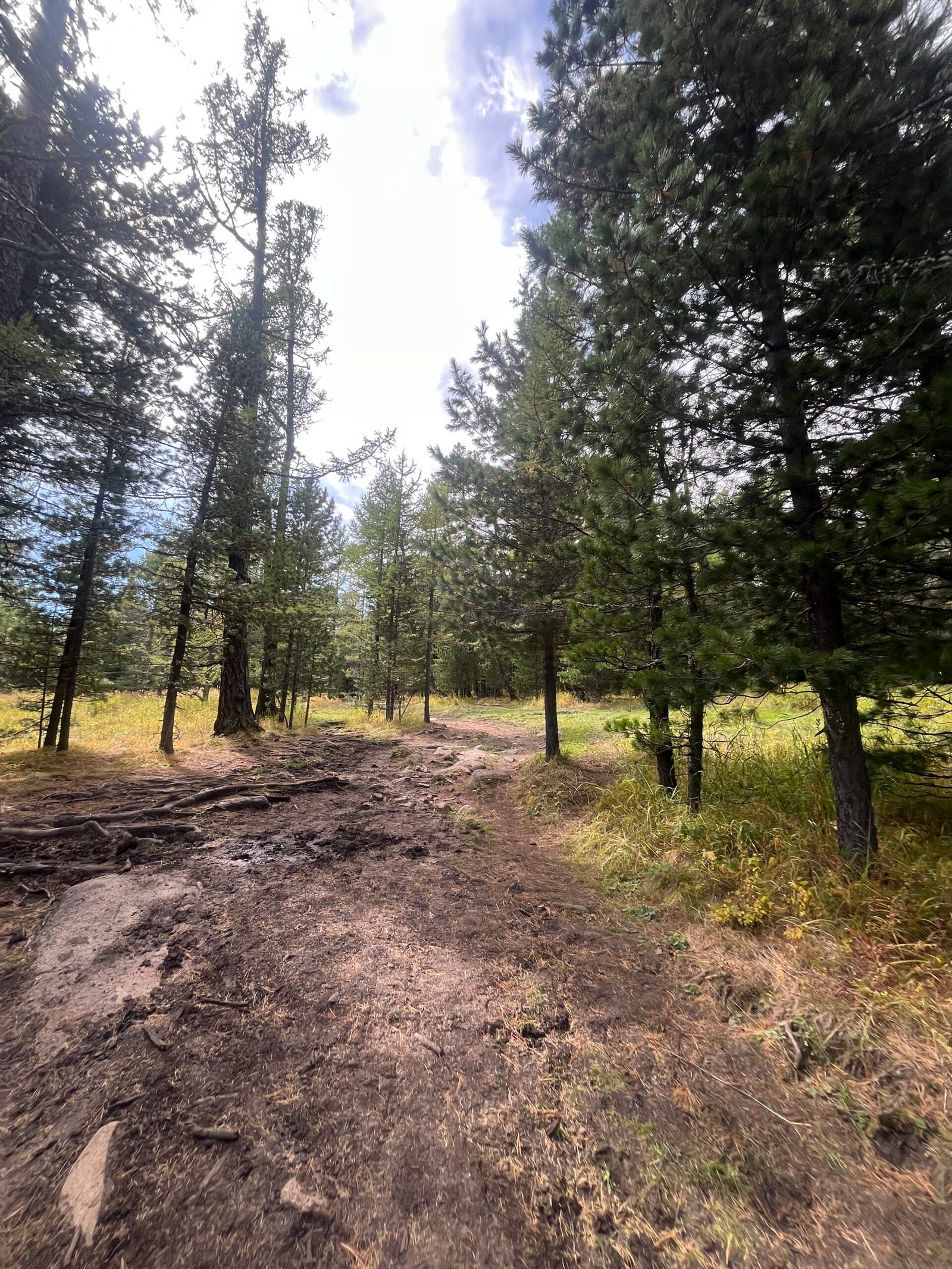
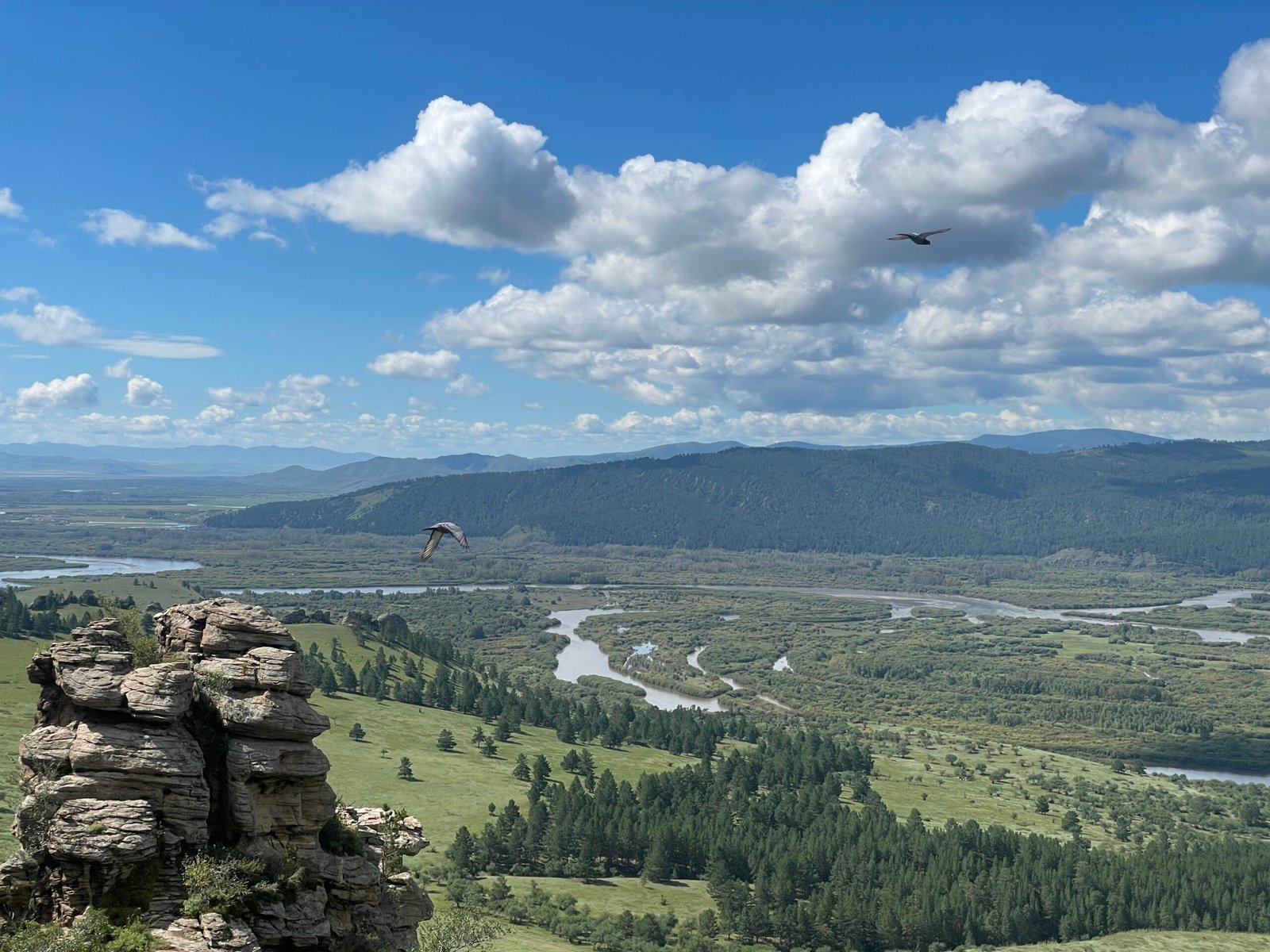
A morning walk through the taiga before the return drive shows the forest at its most intact: centuries-old larch and pine, wildflower meadows where the trees open up, and the occasional moose track in the soft ground near stream crossings. The forest here is part of the same boreal band that runs across Siberia and Canada — a reminder that the northern world is more connected than it appears on a map.
By early afternoon you are back at the lake camp. The contrast between the dense forest of the last two days and the open water of Khuvsgul is striking. The evening is for rest, fishing, or simply watching the light go off the lake from outside your ger.
Day 6: Kayaking on Khuvsgul Lake
Morning Kayak on Khuvsgul
Duration: 3-4 hours on the water. Kayak along the sheltered southern shore of the lake, landing at one or two bays for swimming or exploration. The water clarity at Khuvsgul is exceptional -- visibility to several meters in most conditions.
Afternoon Fishing or Free Time
The lake holds several fish species including grayling and lenok. Rod hire is available at camp. Afternoon is otherwise free for photography, swimming, or final walks on the shore.
Overnight: Ger camp on Khuvsgul Lake shore
Meals: Breakfast, Lunch, Dinner
Kayaking on Khuvsgul is the best way to understand the scale and clarity of the lake. From water level, the surrounding mountains rise steeply from the shore, the forest comes right to the waterline in most places, and you can see the bottom clearly in bays up to 5 or 6 meters deep. The lake surface in calm conditions is close to mirror-flat.
This is the last full day at Khuvsgul, and the afternoon is deliberately unscheduled. Fish, swim, photograph, or sit and look at the water. The departure tomorrow comes quickly, and this is the time to absorb what the lake actually looks and feels like rather than rushing to another activity.
Day 7: Return to Murun & Fly to Ulaanbaatar
Drive to Murun
Duration: 3 hours (180km). Reverse route through the taiga and steppe back to the provincial capital.
Flight Murun to Ulaanbaatar
Duration: approximately 1.5 hours. Return to the capital by early evening.
Overnight: Hotel in Ulaanbaatar
The morning drive back to Murun passes quickly — you are more familiar with the landscape now, and the transition from taiga back to open steppe has a different feeling on the return leg. Murun airport is small, the flights run on time, and Ulaanbaatar reappears from the air as a grid of lights in a bowl of mountains.
Tonight in the city is for whatever you want: dinner at one of the better restaurants on Peace Avenue, a final walk through Sukhbaatar Square, or early sleep before the departure tomorrow. Your guide will have recommendations.
Day 8: Final Morning & Departure
Zaisan Memorial (Optional)
Duration: 1.5 hours. A hilltop Soviet-era memorial with panoramic views over Ulaanbaatar and the surrounding mountains. Worth the climb for the view and the insight into Mongolia's 20th-century history.
Airport Transfer
Duration: 45-60 minutes to Chinggis Khaan International Airport for your departure flight.
No accommodation (departure day)
Meals: Breakfast
A final morning in Ulaanbaatar at whatever pace fits your flight time. The Zaisan Memorial on the southern hills gives the best panoramic view of the city — Soviet mosaics depicting Mongolian-Russian friendship frame a vista of apartment blocks, monasteries, and the mountains that ring the valley. It is a useful place to sit with the whole trip before leaving.
Your guide brings you to the airport. Khuvsgul is one of those destinations that takes time to fully arrive — you find yourself thinking about the Tsaatan, about the lake in the early morning fog, about the silence of the taiga forest long after you have returned home.

Mon - Fri, 9.00am until 6.30pm