Classic Mongolia Highlights
mongolia
Classic Mongolia Highlights
This spectacular event includes competitions based on speed, agility, and accuracy of these magnificent Golden Eagles and some great Kazakh traditional games such as Bushkashi, Tiyn Ter, archery and traditional camel racing etc are also organized on the festival days.
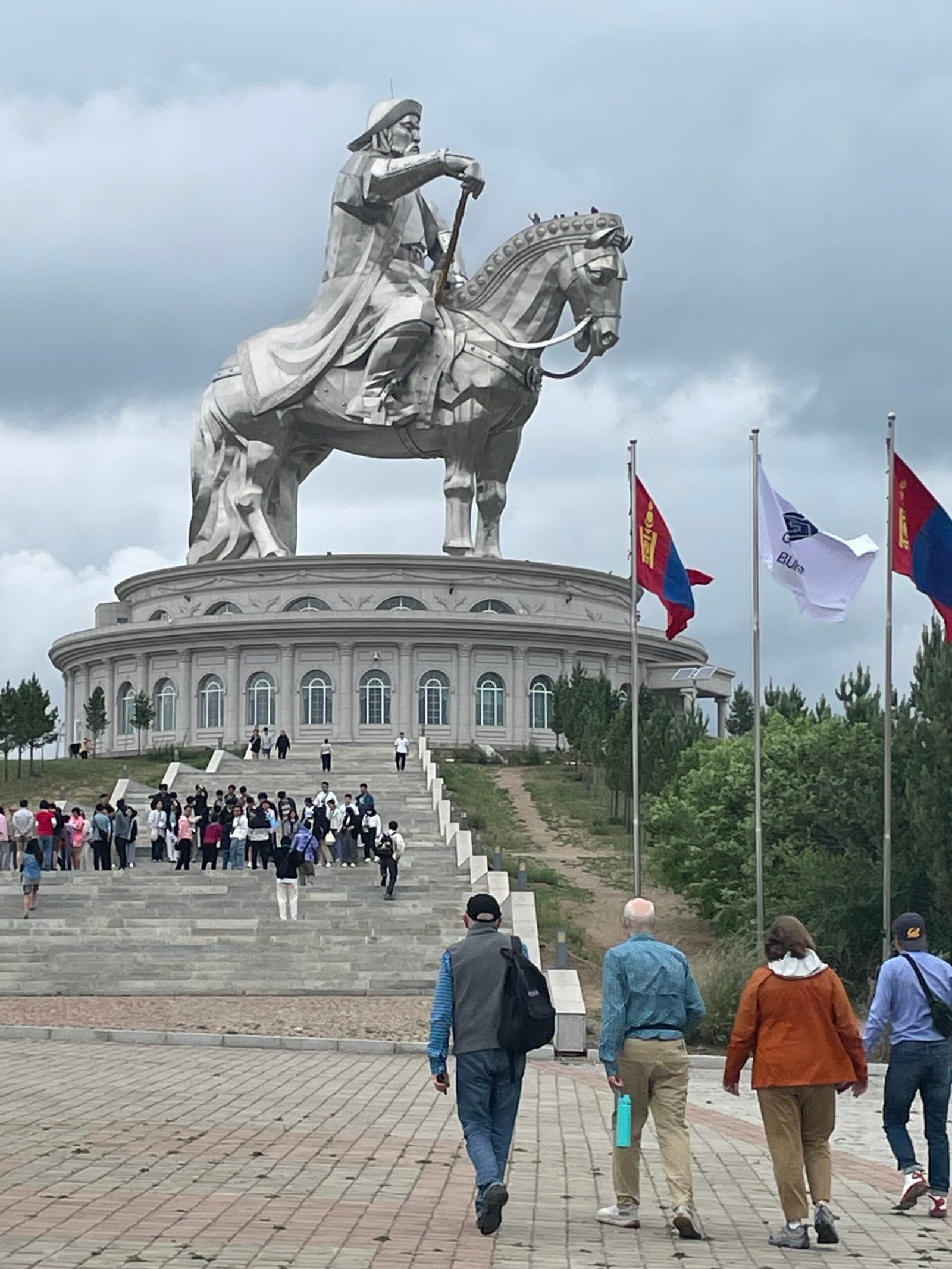
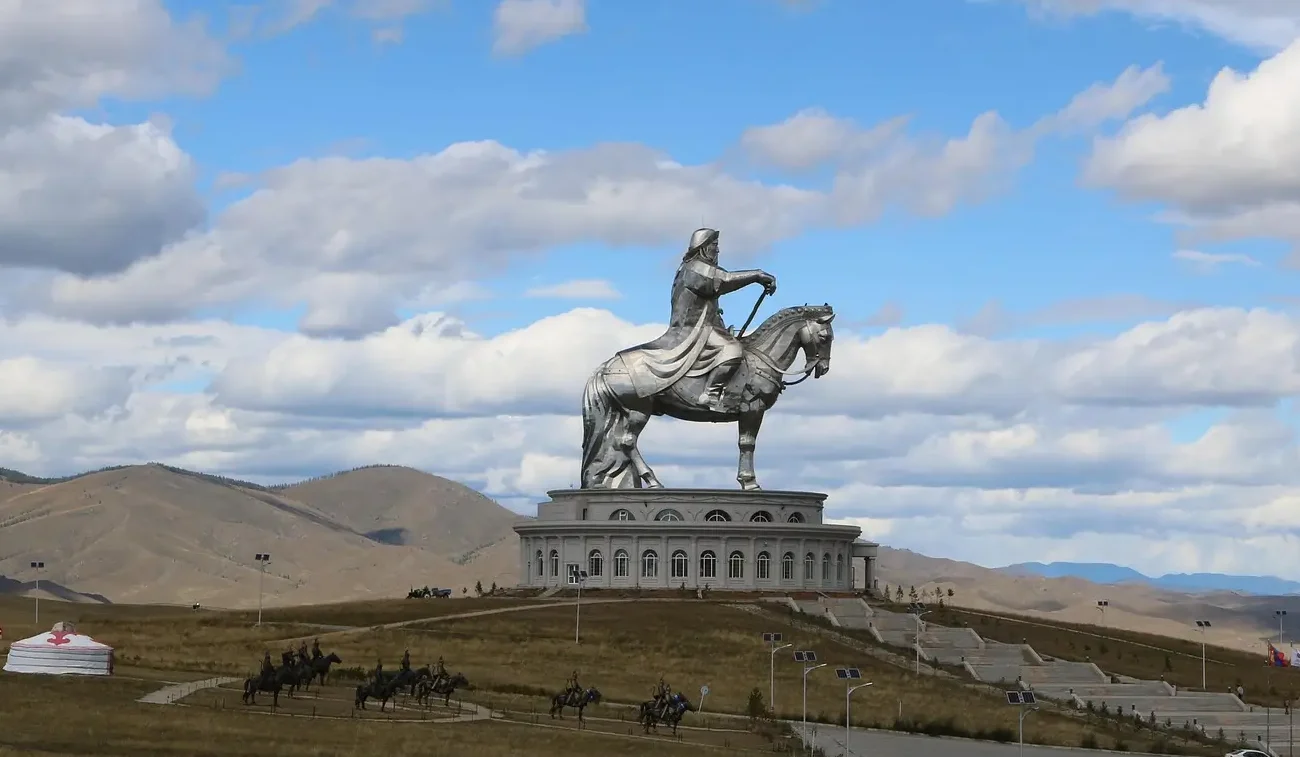
Chinggis Khaan Statue Complex: stand beneath the world's largest equestrian statue, 54 metres of stainless steel rising from open steppe at Tsonjin Boldog
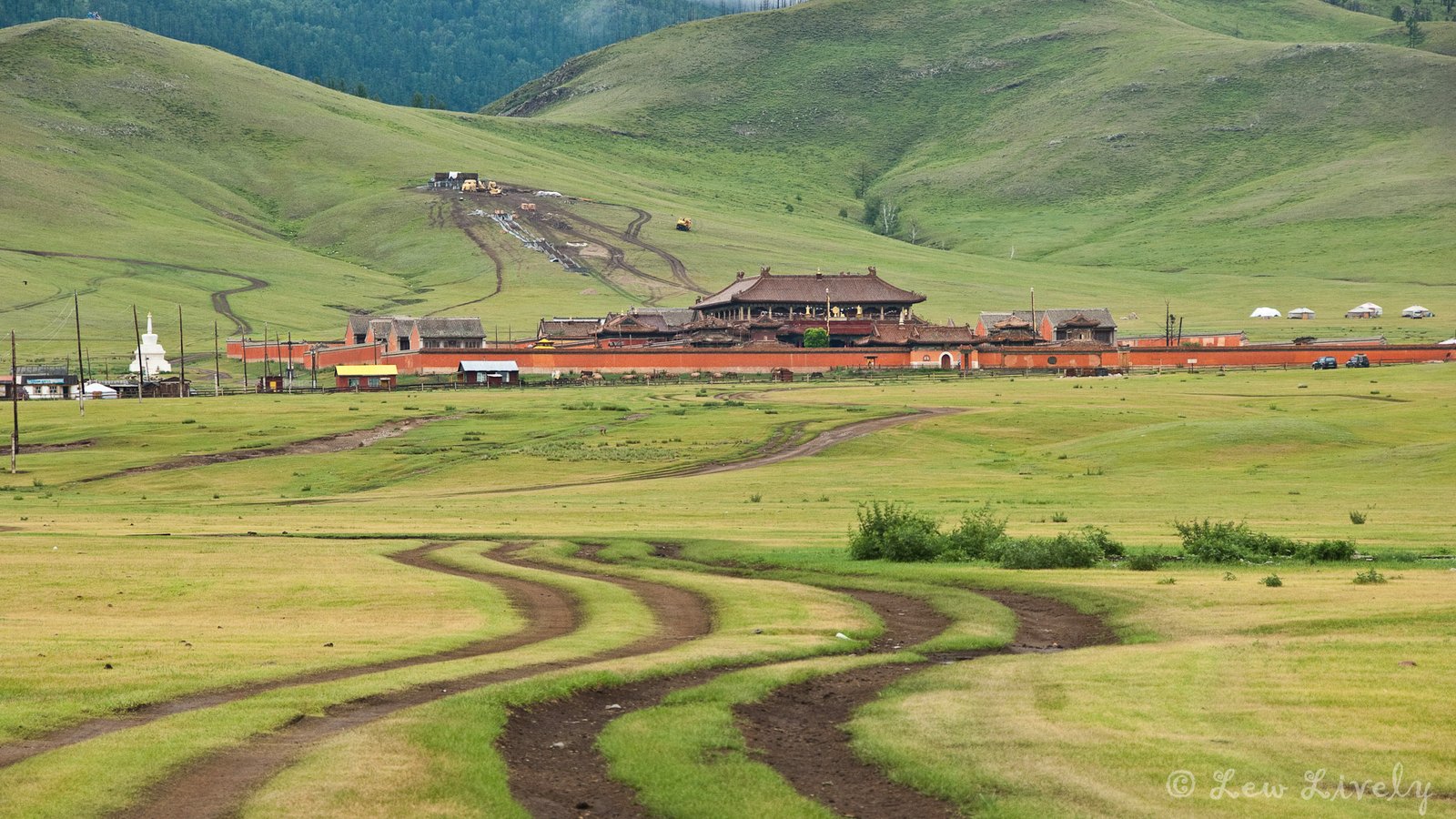
Erdene Zuu Monastery & Karakorum: walk the ancient capital of the Mongol Empire and enter Mongolia's oldest Buddhist monastery inside its walled compound
Flaming Cliffs of Bayanzag & Khongor Sand Dunes: two of the Gobi's iconic landmarks in a single journey — dinosaur fossils and camel riding at sunset
Hustai National Park: track Przewalski's horses (takhi) on horseback with a local ranger in the mountain steppe where they were re-wilded in the 1990s
Nomadic family home stays across three regions: Central steppe, Gobi, and the Orkhon Valley — genuine access to herding families at work
This fantastic festival celebrating the Kazakhs' honoured Eagle is also a celebration of Kazakh traditional heritage. In order to maintain the event as a festival for the Kazakhs themselves, attendance is limited. The highlight of this fantastic trip is interacting with the Kazakhs and other ethnic groups and living with them for a couple of days to take part in the eagle training and get to know about the unique Kazakh culture. Landscape and cultural sightseeing blend easily in Mongolia – you will have the chance to visit families of nomads, remote Buddhist monasteries and traditional events, and to take part in horse-riding or guided walking if you wish – there are also endless opportunities for photography.
- 4WD Land Cruiser
- 1-12 Guests
- 10-Day, 9-Night
- Full-Time English-Speaking Guide
- Available June - September
INCLUTIONS & EXCLUSIONS
Inclusions:
- All ground transport in a private 4WD vehicle
- Professional English-speaking guide throughout
- 9 nights accommodation (mix of ger camps, nomadic family stays, and 1 hotel night)
- All meals as listed in the itinerary
- Camel riding at Khongor Sand Dunes
- Horse trekking at Hustai National Park
- All national park and site entrance fees
- Drinking water throughout
- Airport pick-up and drop-off in Ulaanbaatar
Exclusions:
- International flights to/from Ulaanbaatar
- Travel insurance (required)
- Visa fees
- Personal spending and souvenirs
- Alcoholic beverages
- Optional upgrades (en-suite ger camps, extra activities)
- Tips for guide and driver (appreciated)
from our gallery
day 1, September 18, 2026
Arrival in Ulaanbaatar
Airport transfer to hotel
Duration: 30-45 min drive
Welcome briefing & tour orientation
Duration: 1.5 hours
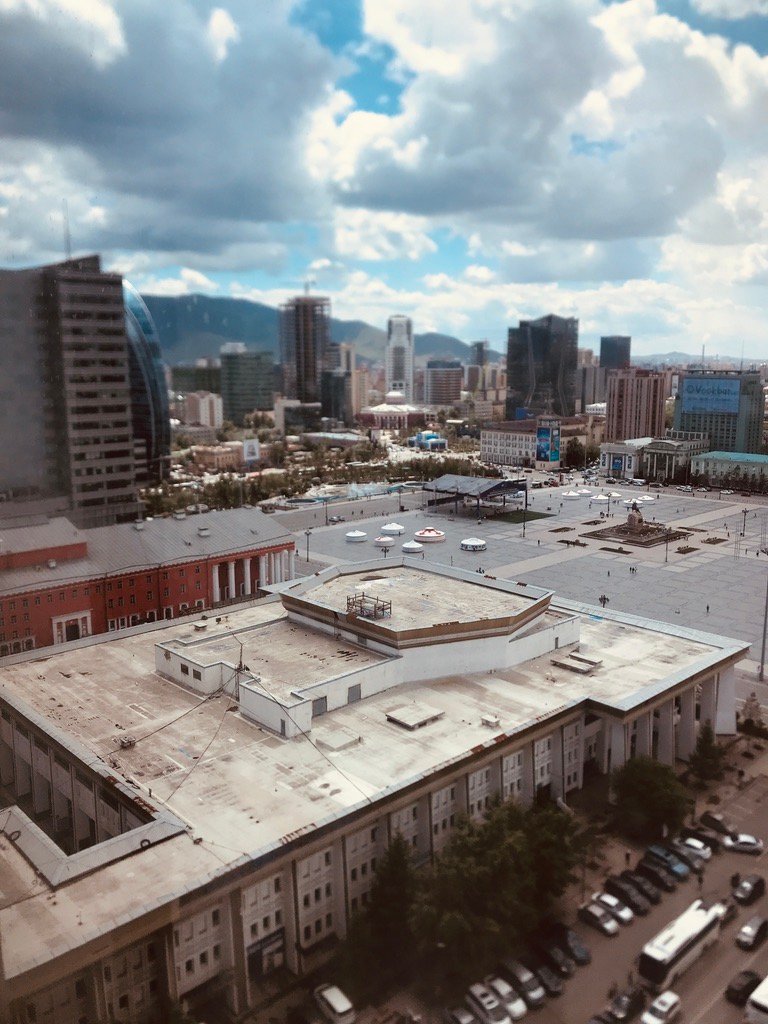
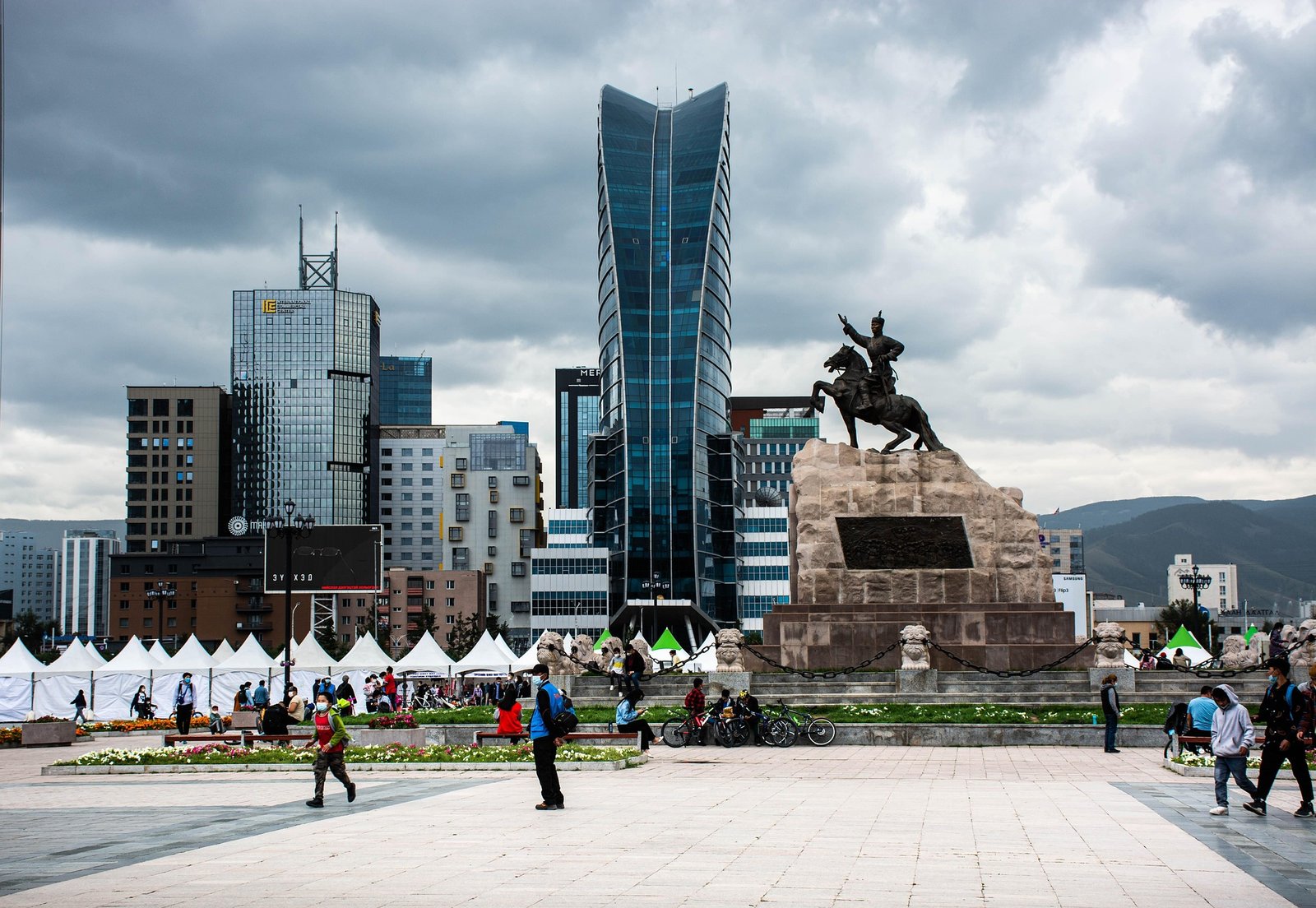
Optional evening walk around Sukhbaatar Square
Duration: 45 minutes
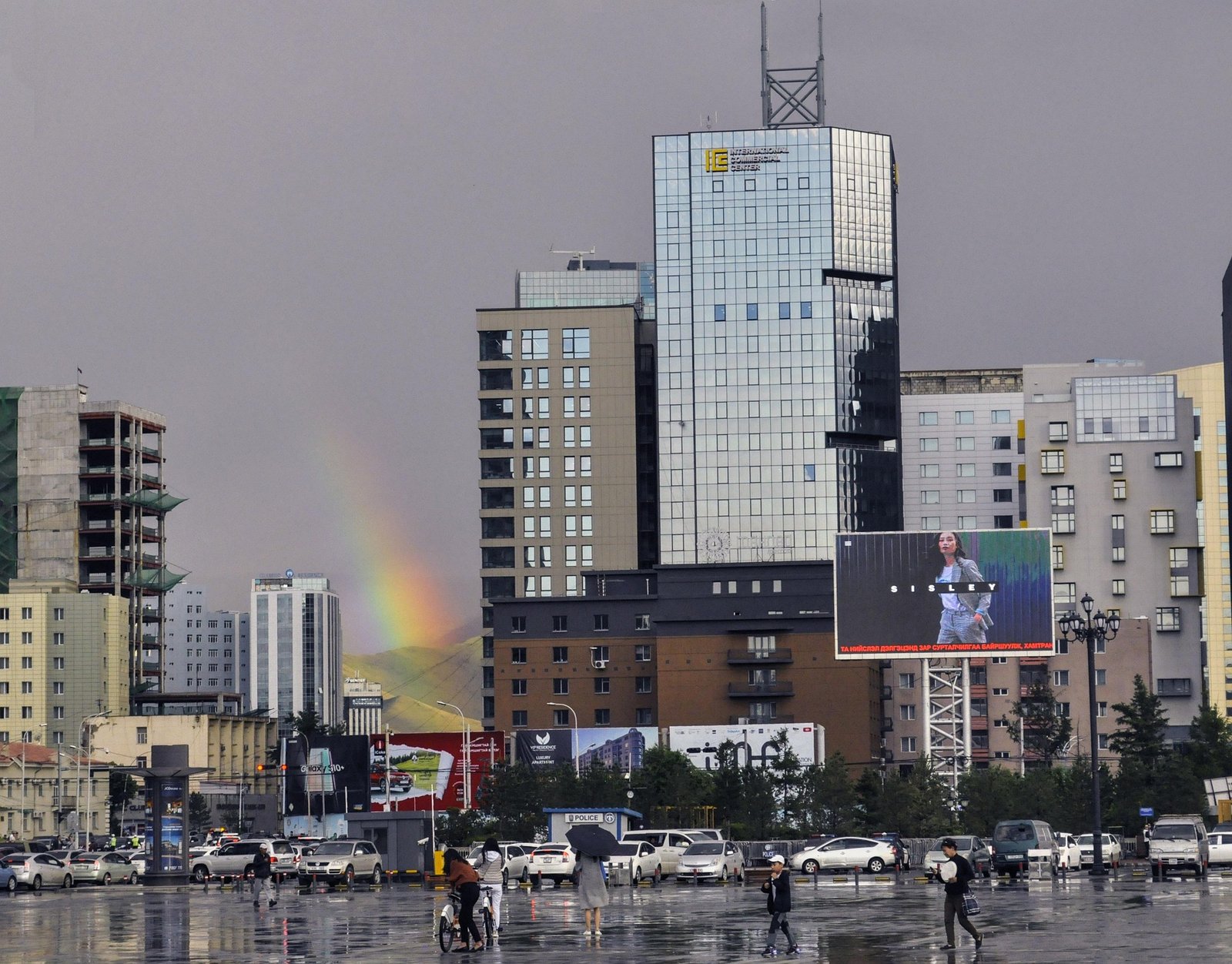
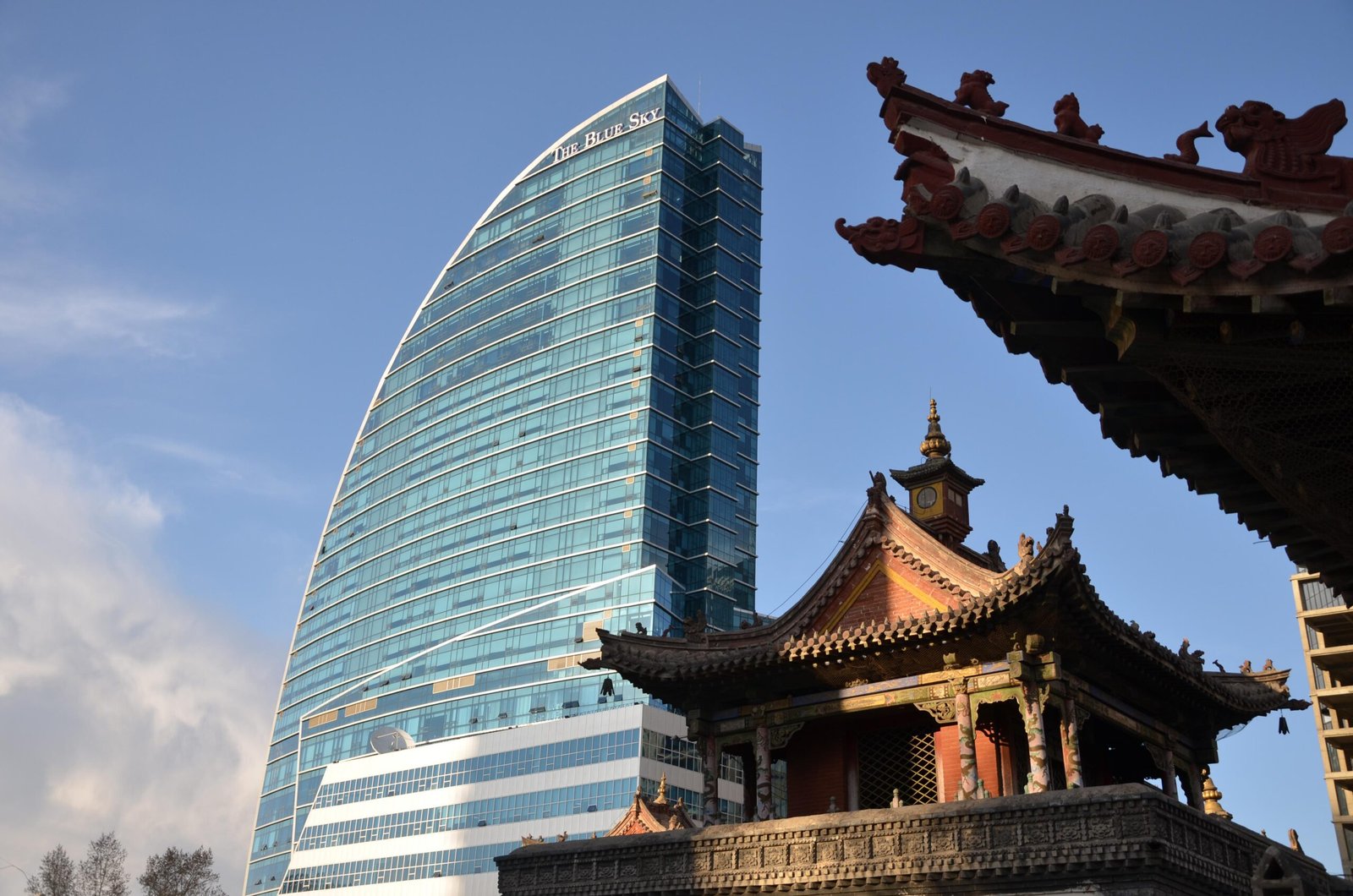
Your guide meets you at Chinggis Khaan International Airport and transfers you to your hotel in central Ulaanbaatar. The city moves at a pace that can take a moment to calibrate — traffic, construction, and the constant hum of a place that has grown faster than almost any capital in recent decades. Over dinner, your guide walks you through the ten days ahead: two distinct regions, three different landscapes, and more open space than most people see in a lifetime.
Day 2, September 19, 2026
Ulaanbaatar to Terelj National Park
Morning: Gandan Monastery — morning prayer ceremony
Duration: 1.5 hours
Drive east to Terelj National Park
Duration: 1.5 hour drive
Afternoon hike among Terelj's granite formations
Duration: 2-3 hours
Overnight in tourist ger camp, Terelj
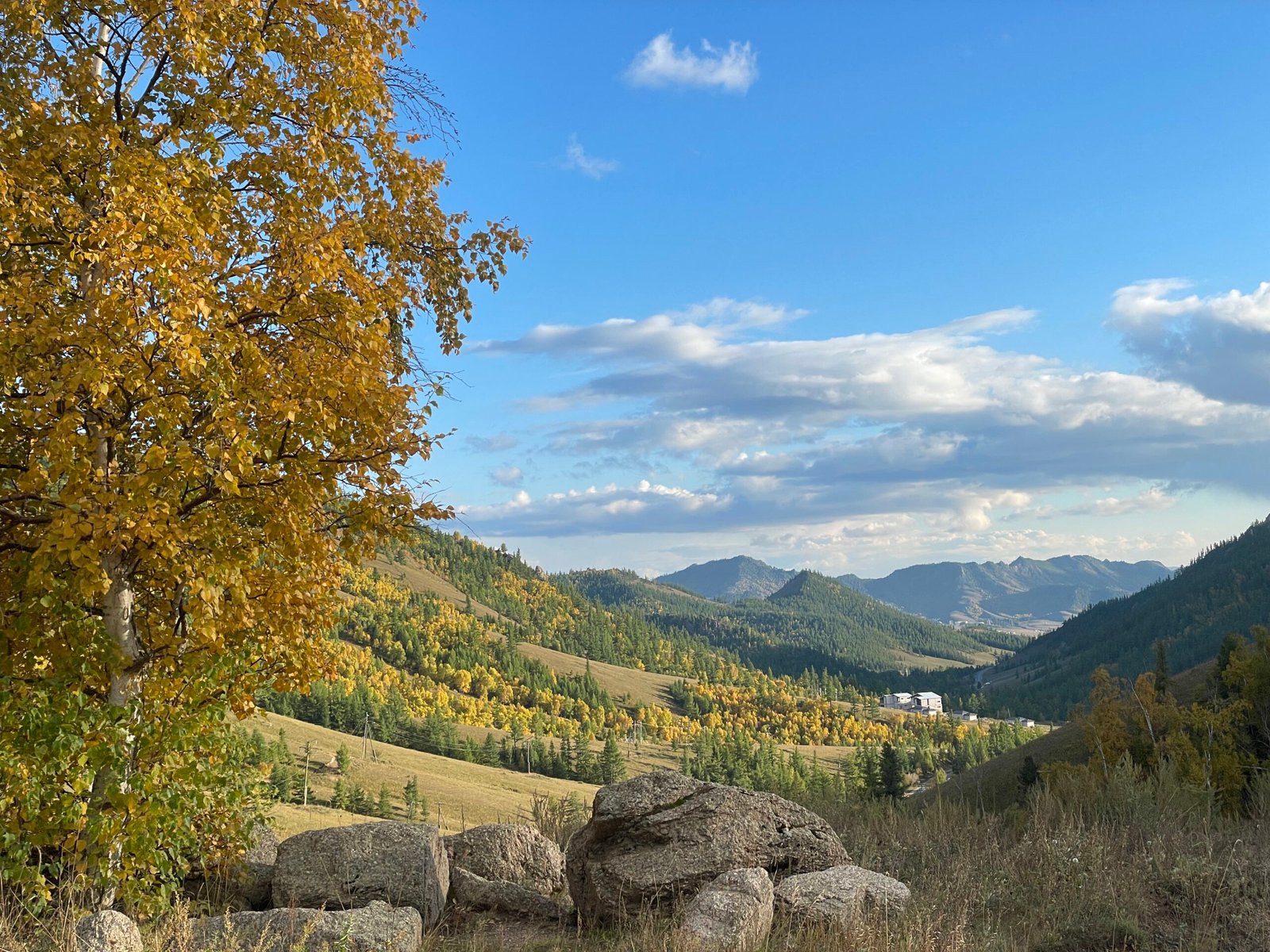
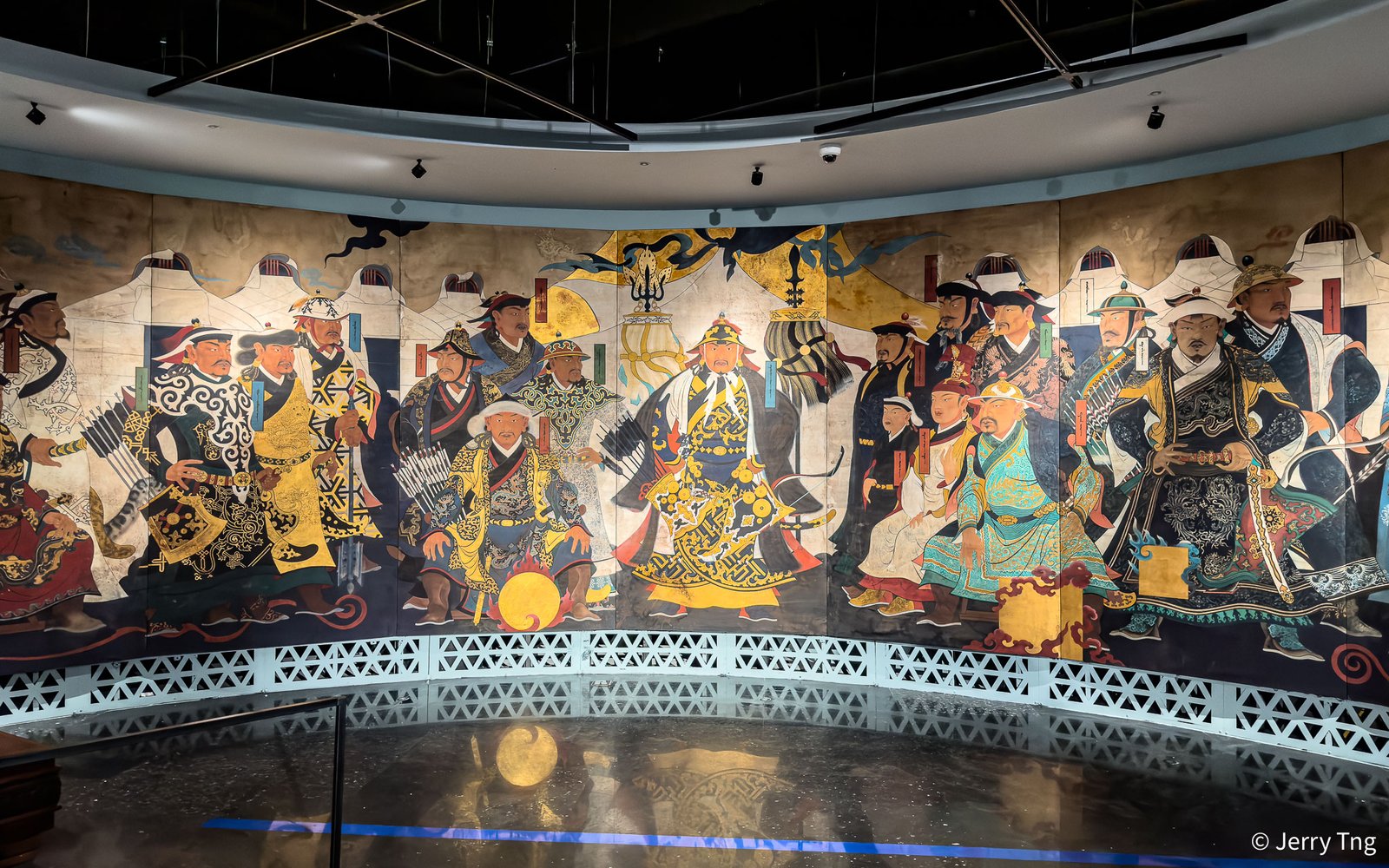
The morning starts at Gandan Monastery, Ulaanbaatar’s most important Buddhist site, where monks chant the morning prayer beneath a 26-metre gilded statue of Janraisag. Then you head east into the mountains. Terelj National Park is only 80 kilometres from the capital but feels entirely removed from it — river valleys, towering rock formations, and horse herds grazing on slopes that turn gold in the afternoon light. Your ger camp sits in a meadow within earshot of the river.
day 1, September 18, 2026
Chinggis Khaan Statue & Drive West
Chinggis Khaan Equestrian Statue Complex at Tsonjin Boldog
Duration: 2 hours including interior museum
Drive west across the central steppe
Duration: 5-6 hours
Nomadic family visit en route
Duration: 1 hour
The Chinggis Khaan Statue Complex at Tsonjin Boldog is one of those landmarks that earns its reputation. Fifty-four metres of polished stainless steel rise from the open steppe — the world’s largest equestrian statue, and the only one you can climb inside. The viewing platform at the horse’s head looks out over a landscape the great Khan himself would recognise. Then the road west opens into pure steppe: no fences, no billboards, just the occasional ger and a herd moving across the horizon.
Day 2, September 19, 2026
Karakorum & Erdene Zuu Monastery
Karakorum Museum — ancient capital of the Mongol Empire
Duration: 1.5 hours
Erdene Zuu Monastery — Mongolia's oldest surviving monastery
Duration: 2 hours
Walk the Orkhon Valley UNESCO World Heritage site
Duration: 1.5 hours
Overnight in ger camp, Orkhon Valley
In the 13th century, Karakorum was the centre of an empire that stretched from Korea to Hungary. Today it is a small town with a world-class museum and, inside a walled compound just beside it, Erdene Zuu — Mongolia’s oldest Buddhist monastery, built partly from the rubble of the imperial city. The 108 white stupas of its outer wall are visible for kilometres across the flat valley. Your guide brings the history alive: what was built here, what was destroyed, and what survived. The Orkhon Valley itself is a UNESCO World Heritage site — a river corridor that has been the heartland of every major Mongolian civilisation for two millennia.
day 1, September 18, 2026
Orkhon Valley to Central Steppe
Morning horse ride in the Orkhon Valley
Duration: 2 hours
Drive south into the pre-Gobi steppe
Duration: 5-6 hours
Evening nomadic family stay
Duration: evening
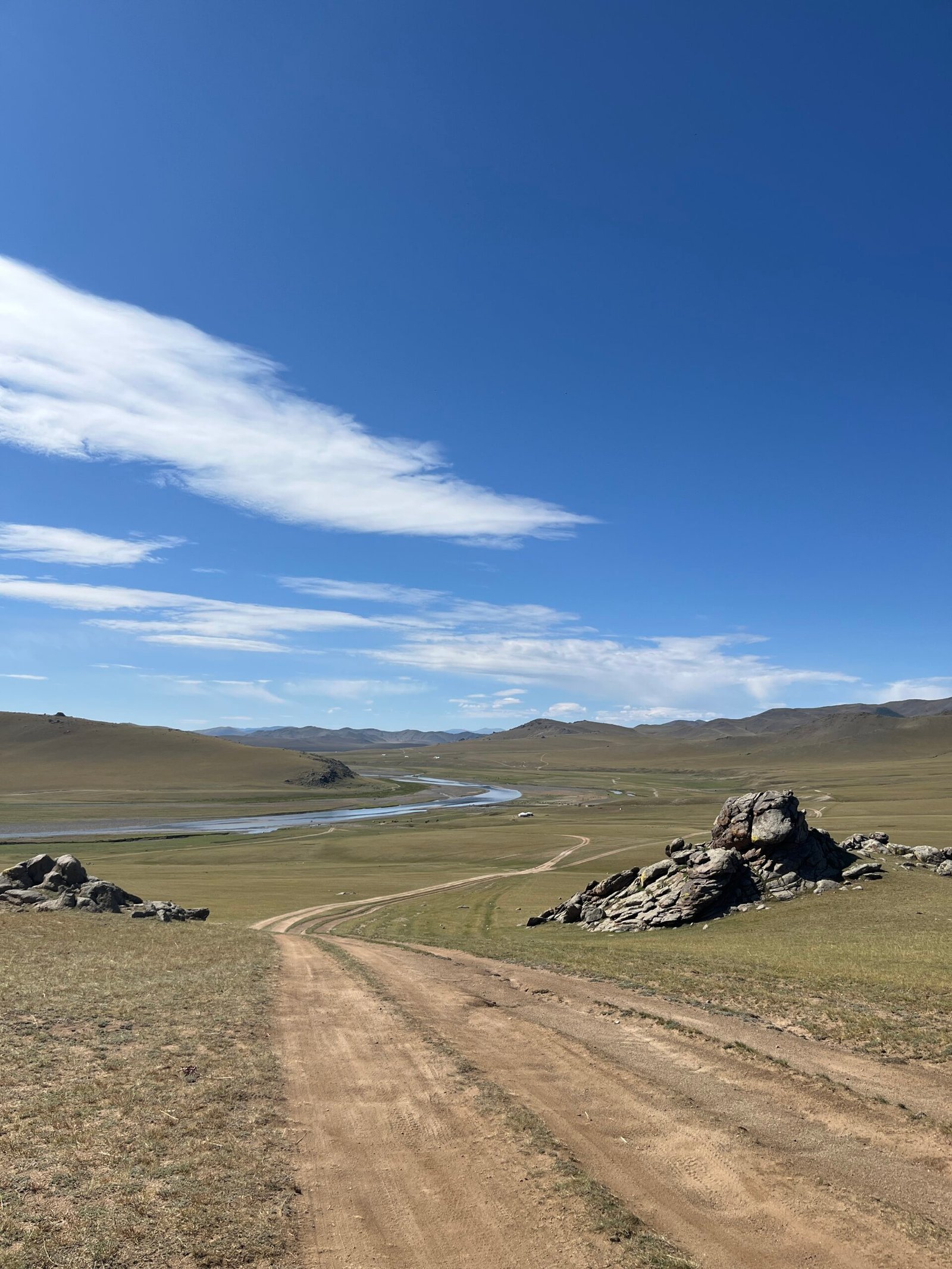
A morning ride in the Orkhon Valley is a good way to understand why Mongolian culture and horsemanship are inseparable — the valley is wide, the grass long, and the horses know this land better than any map. The afternoon drive south marks the transition between the lush central Mongolia you have been travelling through and the drier semi-desert of the pre-Gobi. By the time you stop for the night at a herding family’s ger, the landscape has already begun its subtle shift toward the south.
Day 2, September 19, 2026
Tsagaan Suvarga & Entry into the Gobi
Tsagaan Suvarga limestone cliffs — morning visit
Duration: 2 hours
Drive deeper south into the Gobi
Duration: 4-5 hours
Overnight in tourist ger camp, Gobi
Meals: Breakfast, Lunch, Dinner
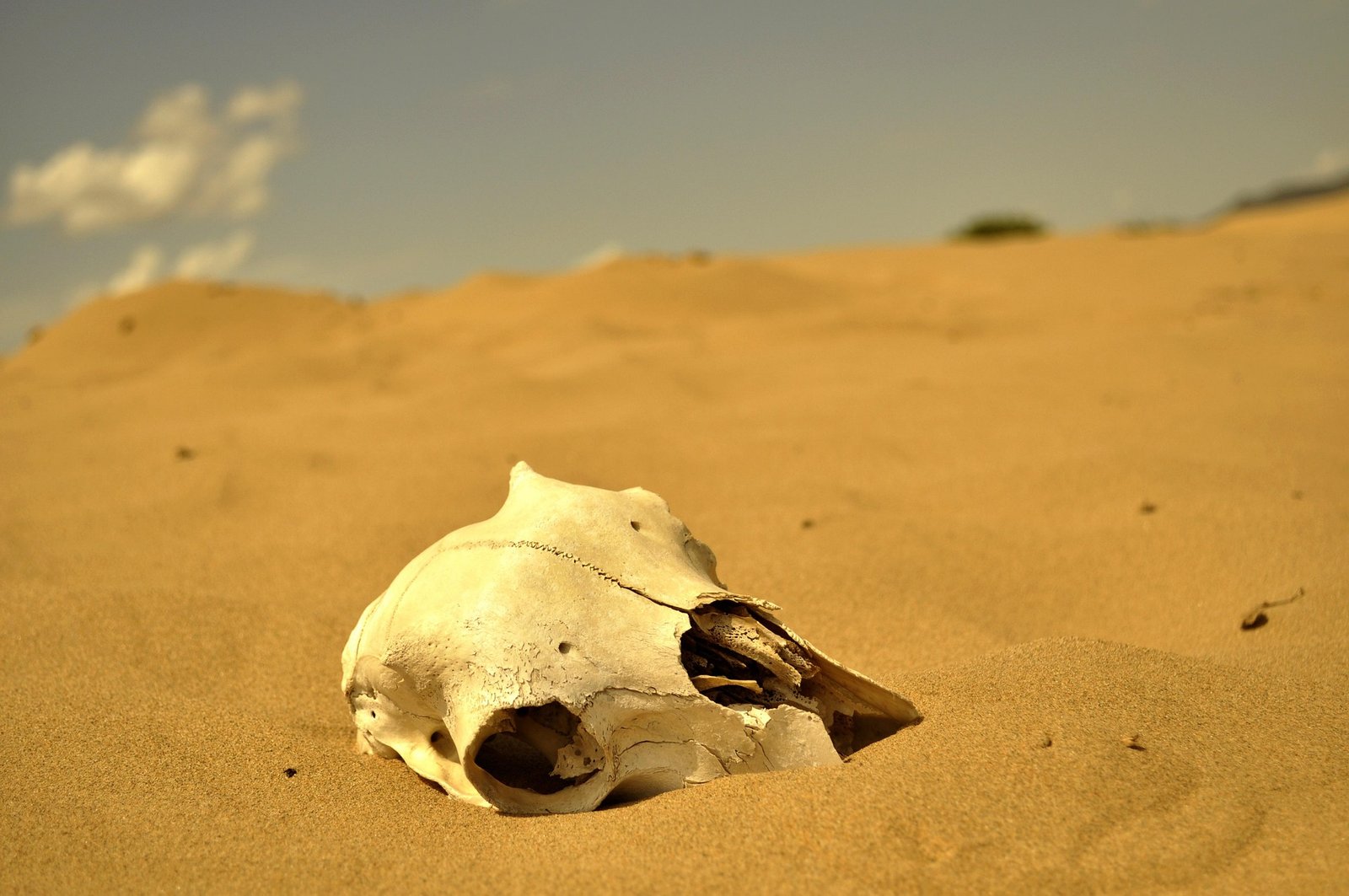
Tsagaan Suvarga — White Stupa — is a formation of layered limestone and sandstone terraces that rise from the desert floor in pale bands of white, cream, and russet. Stand at the rim and the drop below is sudden, the desert floor laid flat to every horizon. This is the gateway to the Gobi proper: by the time you make camp that evening, the vegetation has thinned, the gravel has taken over from the grass, and the sky at night is enormous.
day 1, September 18, 2026
Flaming Cliffs of Bayanzag & Khongor Sand Dunes
Morning: Flaming Cliffs of Bayanzag — fossil beds, canyon rim walk
Duration: 2 hours
Drive to Khongor Sand Dunes
Duration: 3 hours
Sunset camel ride at the dune base
Duration: 1.5 hours
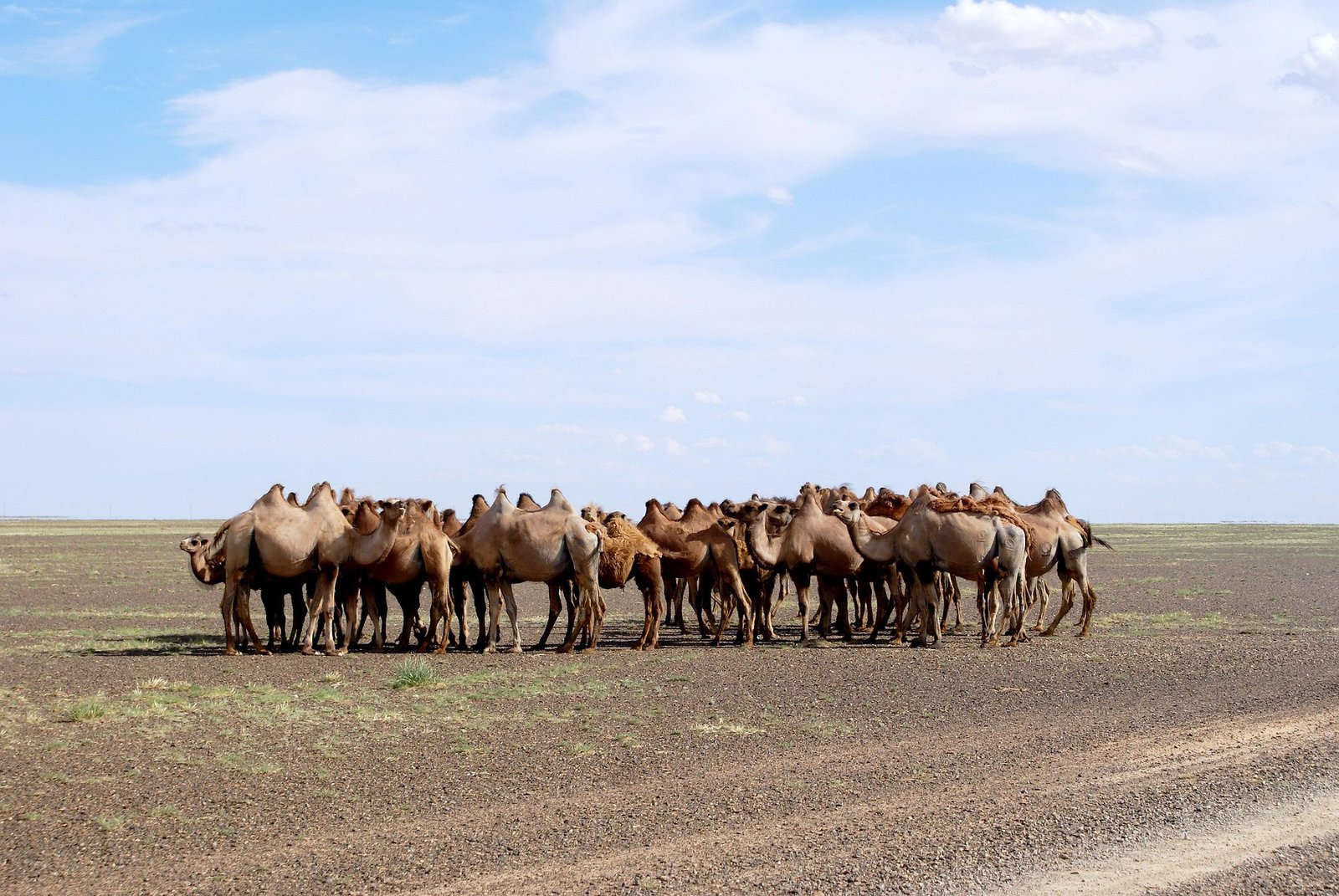
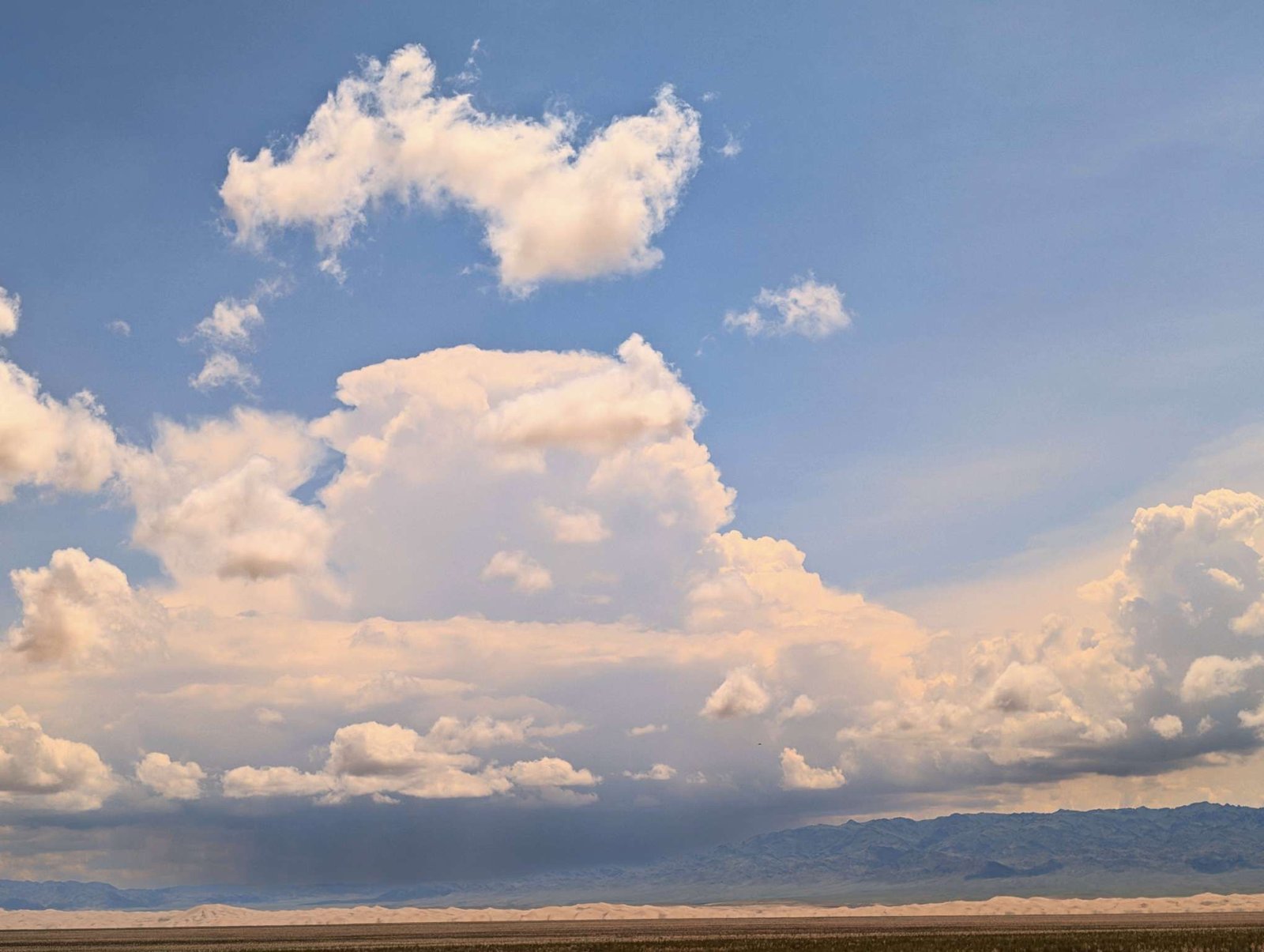
Two of the Gobi’s signature landscapes in one day. The morning belongs to Bayanzag — the Flaming Cliffs, where Roy Chapman Andrews discovered the world’s first fossilised dinosaur eggs in 1923. The red sandstone canyon rim is at its most dramatic in early light. The afternoon drive brings you to Khongor: 180 kilometres of dunes, the largest in Mongolia. A Bactrian camel carries you along the base as the sun drops behind the crests, the sand lit orange from below.
Day 2, September 19, 2026
Yoliin Am Ice Gorge & Drive North
Yoliin Am gorge hike in Gobi Gurvan Saikhan National Park
Duration: 3 hours, easy-moderate terrain
Drive north toward central Mongolia
Duration: 5-6 hours
Overnight in ger camp, southern steppe
Meals: Breakfast, Lunch, Dinner
Yoliin Am is a narrow gorge carved into the Zuun Saikhan mountains where, even in midsummer, the rock walls stay cold enough to preserve a floor of ice. You hike in through progressively tighter canyon walls, watched by lammergeier vultures riding thermals above. It is one of those places that does not feel like it should exist in the middle of a desert — the surprise of it is part of what makes it stay with you. The long drive north begins the return arc of the journey.
day 1, September 18, 2026
Hustai National Park — Wild Horses
Drive to Hustai National Park
Duration: 3-4 hour drive
Afternoon horse trek tracking Przewalski's horses (takhi)
Duration: 2-3 hours on horseback with ranger
Evening briefing on the rewilding programme
Duration: 45 minutes
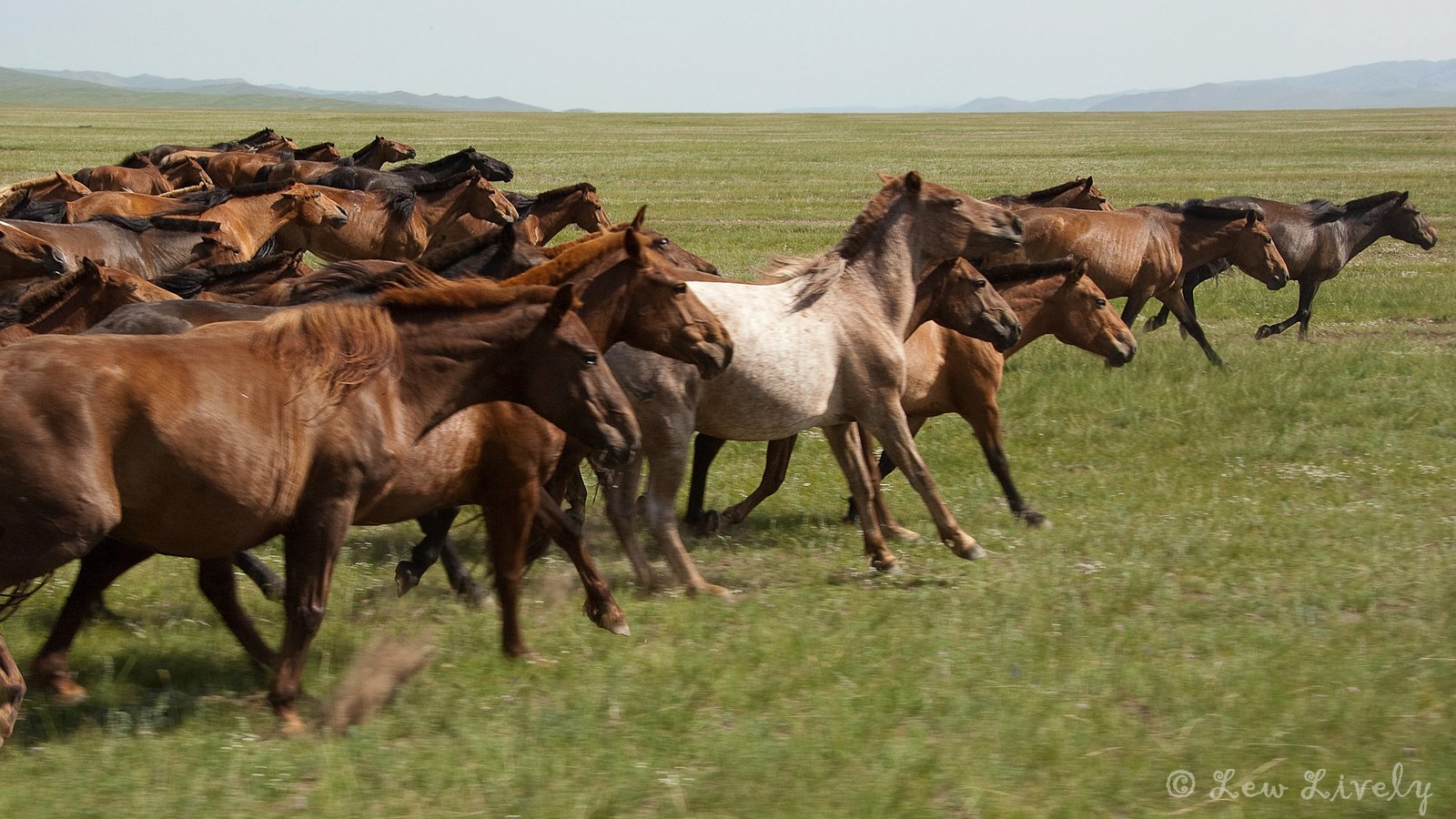
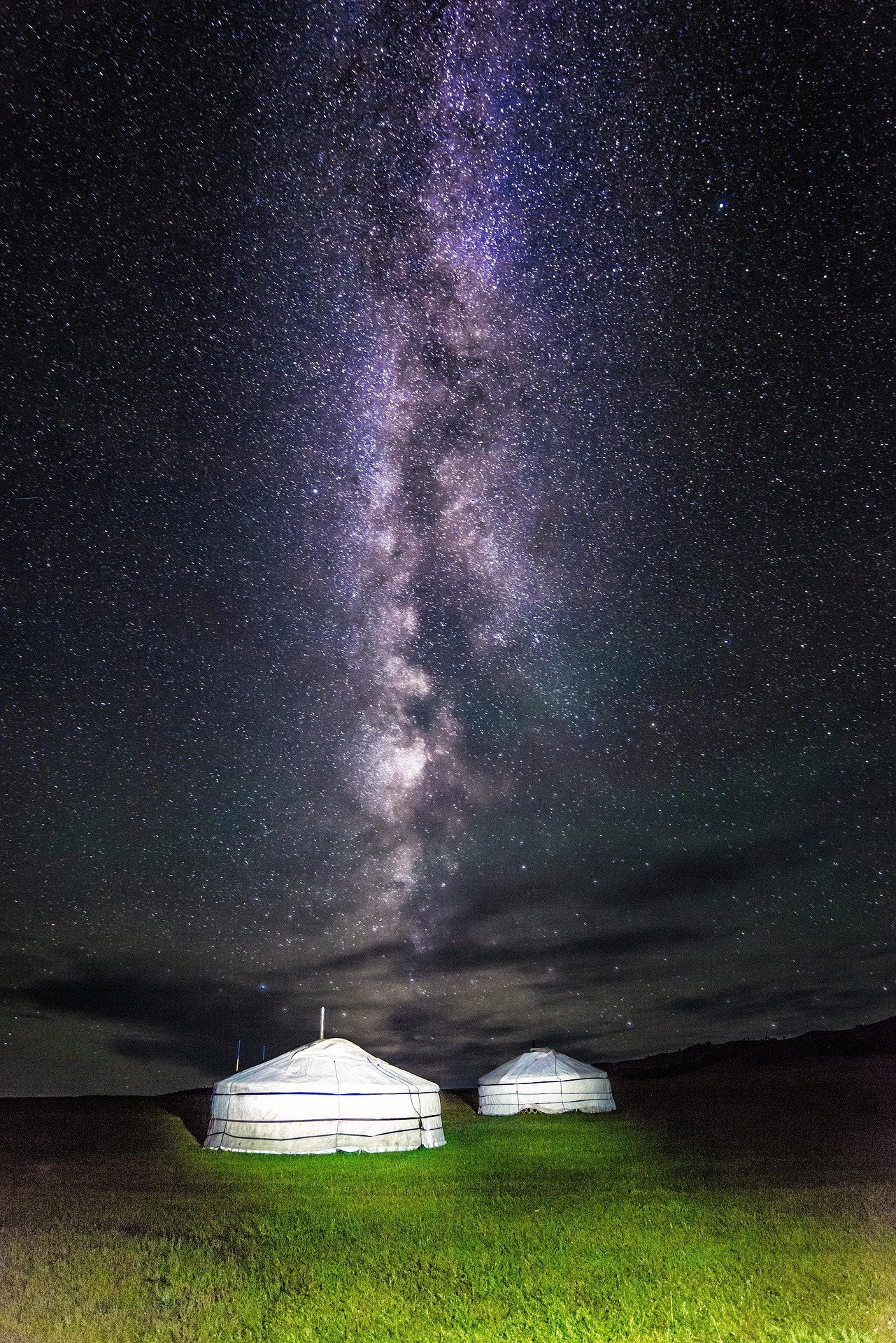
Hustai National Park is home to one of the world’s most successful wildlife rewilding programmes. The takhi — Przewalski’s horse, the last truly wild horse species — was extinct in the wild by the 1960s. A Dutch-Mongolian programme began returning captive-bred animals to this mountain steppe in 1992, and there are now over 400 in the park. You ride out in the late afternoon with a local ranger to find them — usually in small herds on the upper slopes, moving slowly across the grass. Seeing them on their own terms, while on horseback yourself, is something that stays with you long after you leave.
Day 2, September 19, 2026
Return to Ulaanbaatar & Departure
Drive back to Ulaanbaatar
Duration: 1.5-2 hour drive
Optional: city sightseeing or souvenir shopping
Duration: as desired
Farewell dinner
Duration: 2 hours
Airport transfer
Duration: 30-45 min drive
The last morning in the countryside always has a particular quality. The drive back to Ulaanbaatar takes less than two hours from Hustai, but the ten days between your arrival and this return feel considerably longer — in the best possible sense. There is time in the afternoon for a final wander through the city: the Narantuul market for souvenirs, the State Department Store for cashmere. A farewell dinner in the evening, and then the airport. You leave with a very different sense of what Mongolia is.

Mon - Fri, 9.00am until 6.30pm