Khentii 4-Day Group Tour – Genghis Khan’s Homeland
mongolia
Khentii 4-Day Group Tour – Genghis Khan's Homeland
This spectacular event includes competitions based on speed, agility, and accuracy of these magnificent Golden Eagles and some great Kazakh traditional games such as Bushkashi, Tiyn Ter, archery and traditional camel racing etc are also organized on the festival days.
Tengeriin Andgai (Oath of Brotherhood): Stand on the sacred Khukhuur Steppe where Temujin and Boorchi swore their legendary friendship — the alliance that helped forge an empire.
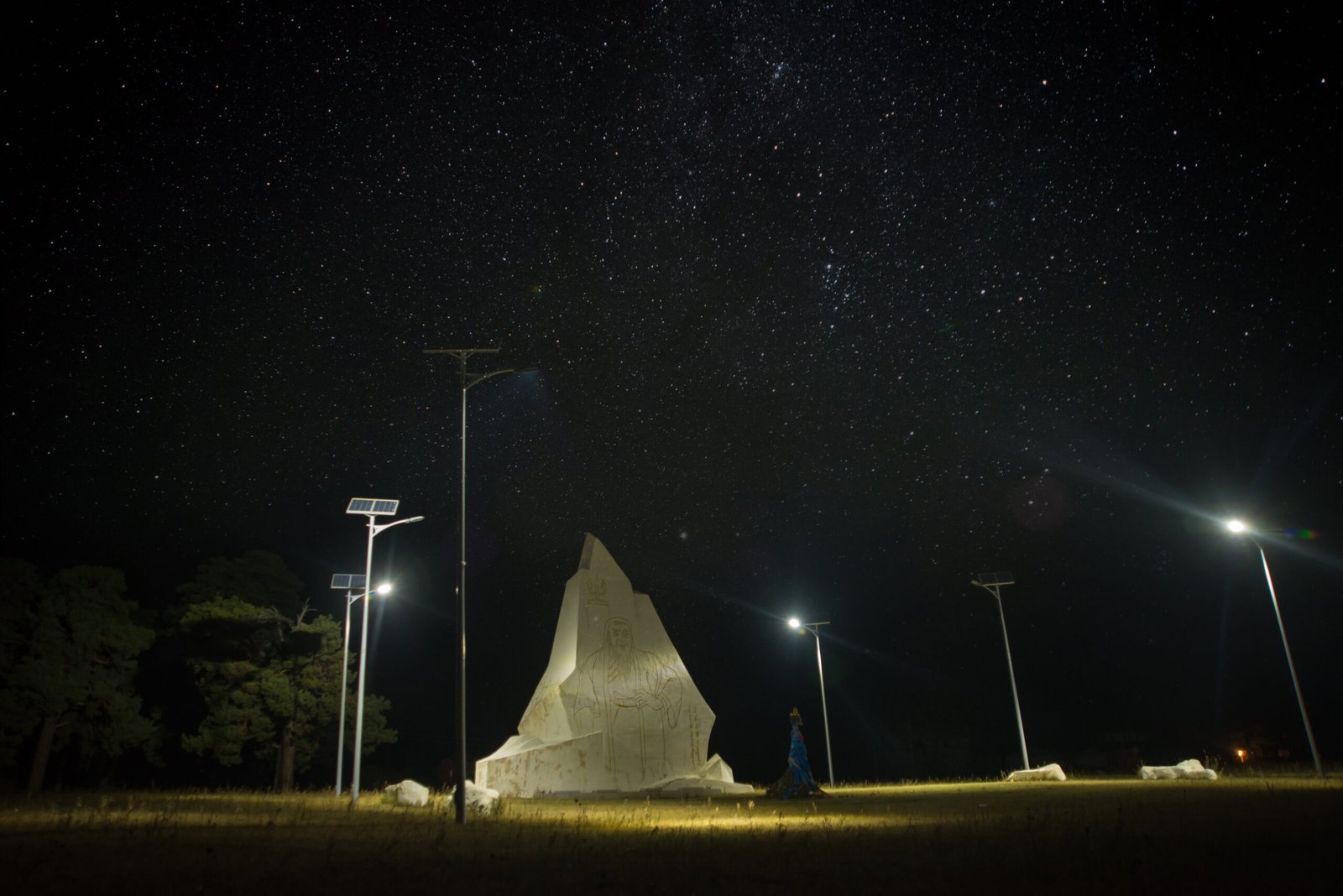
Deluun Boldog & Dadal Soum: Walk the land where Genghis Khan was born, visit the illuminated statue at Dadal, and drink from Khajuu Bulag spring where he grew up.
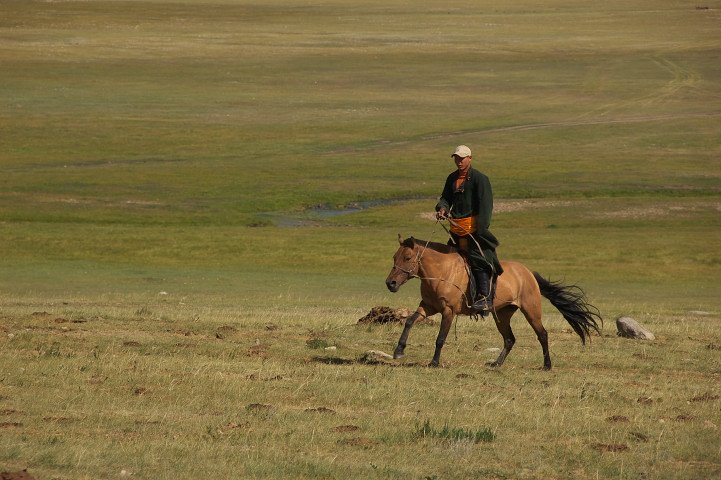
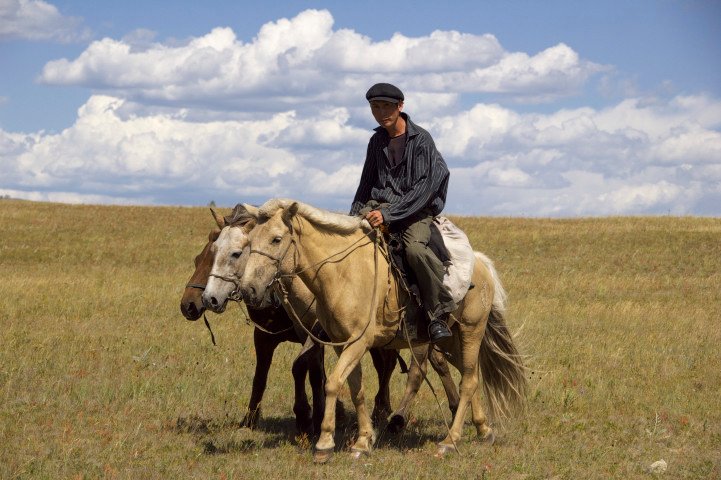
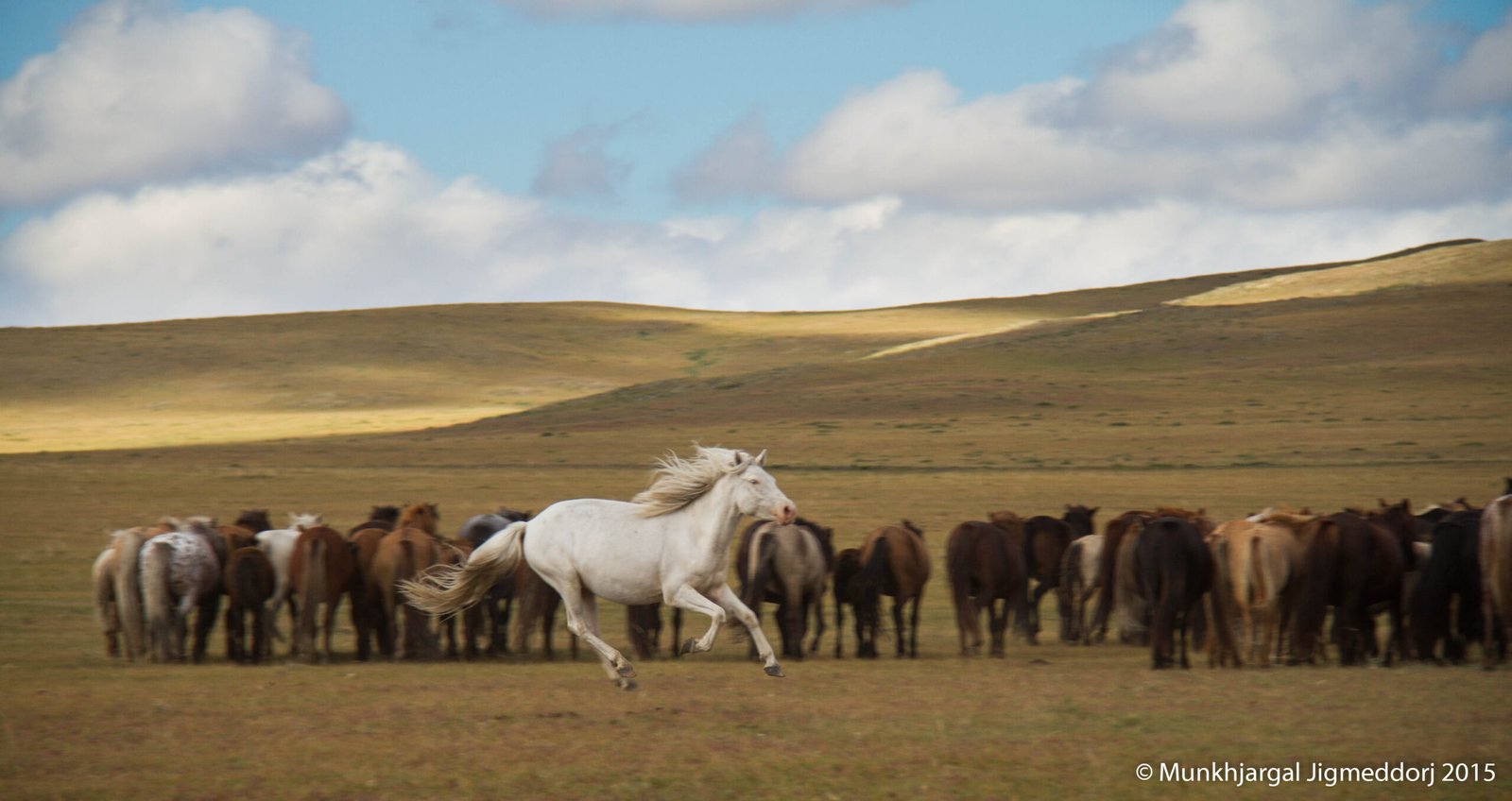
Nomadic Horseback Life: Ride independently across open steppe, help local herders gather a 500-horse herd, milk mares, catch foals, and pen calves at a working horse camp.
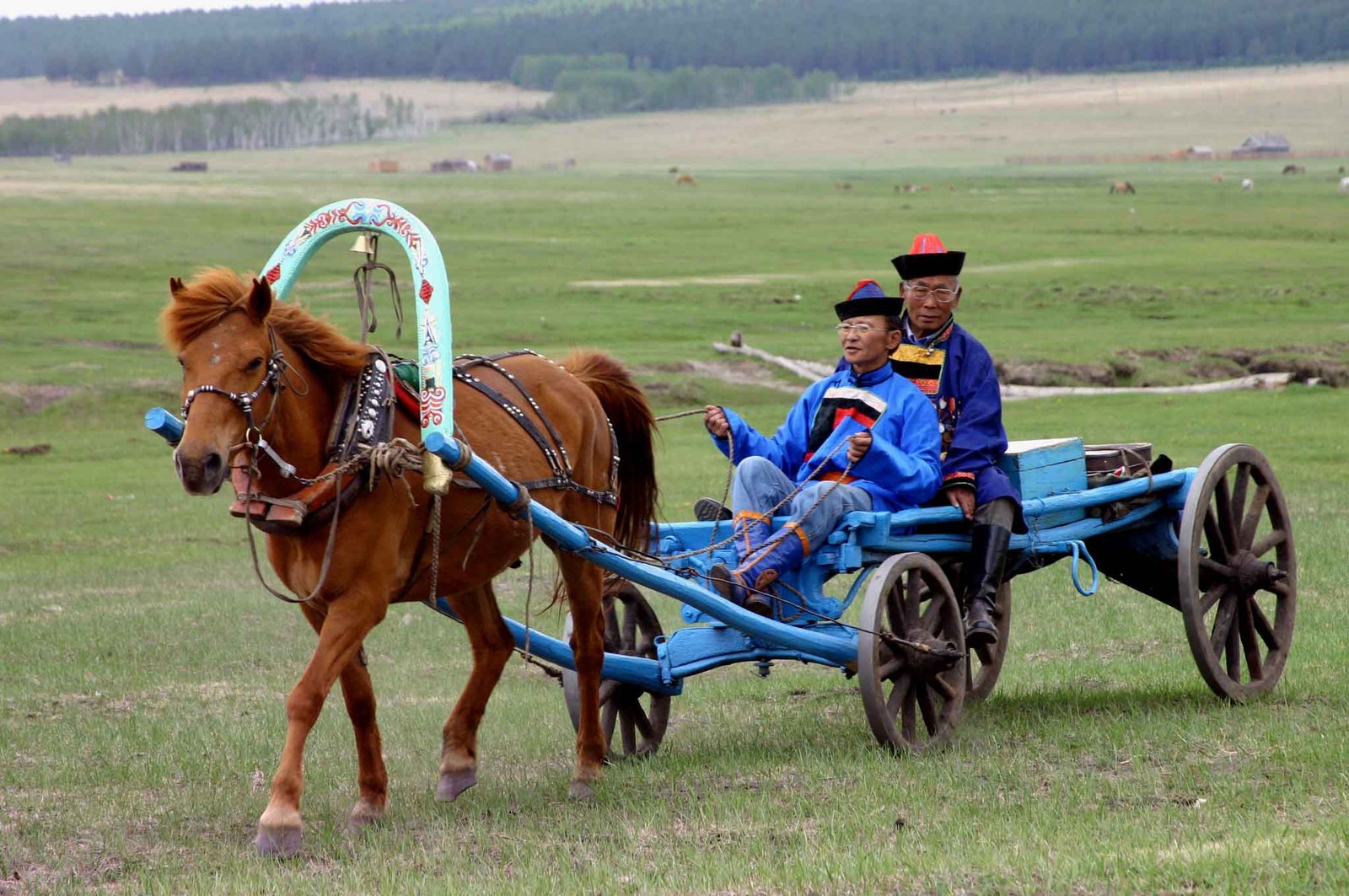
Buryat Culture & Shaman Families: Cross into the Onon River Valley and encounter Buryat people — a distinct ethnic group with their own traditions, homes, and spiritual practices.
Ancient History in the Landscape: Visit Duurlig Nars Xiongnu tombs, the Great Khuraldai Complex (site of the 1206 founding of the Mongol Empire), Rashaan Khad petroglyphs, and the dramatic Yalgui Gorge.
This fantastic festival celebrating the Kazakhs' honoured Eagle is also a celebration of Kazakh traditional heritage. In order to maintain the event as a festival for the Kazakhs themselves, attendance is limited. The highlight of this fantastic trip is interacting with the Kazakhs and other ethnic groups and living with them for a couple of days to take part in the eagle training and get to know about the unique Kazakh culture. Landscape and cultural sightseeing blend easily in Mongolia – you will have the chance to visit families of nomads, remote Buddhist monasteries and traditional events, and to take part in horse-riding or guided walking if you wish – there are also endless opportunities for photography.
- 4WD Vehicle
- 4–14 guests (join tour)
- 4-Day, 3-Night
- Full-time English-Speaking Tour Guide
- June – August 2026
2026 Fixed Departure Dates
| Departure | Start Date | End Date | Status |
|---|---|---|---|
| Jun 1 | Saturday, 20 Jun 2026 | Tuesday, 23 Jun 2026 | Open |
| Jun 2 | Wednesday, 24 Jun 2026 | Saturday, 27 Jun 2026 | Open |
| Jun 3 | Sunday, 28 Jun 2026 | Wednesday, 1 Jul 2026 | Open |
| Jul 1 | Thursday, 2 Jul 2026 | Sunday, 5 Jul 2026 | Open |
| Jul 2 | Tuesday, 7 Jul 2026 | Friday, 10 Jul 2026 | Open |
| Jul 3 | Monday, 13 Jul 2026 | Thursday, 16 Jul 2026 | Open |
| Jul 4 | Saturday, 18 Jul 2026 | Tuesday, 21 Jul 2026 | Open |
| Aug 1 | Sunday, 2 Aug 2026 | Wednesday, 5 Aug 2026 | Open |
| Aug 2 | Friday, 7 Aug 2026 | Monday, 10 Aug 2026 | Open |
| Aug 3 | Thursday, 13 Aug 2026 | Sunday, 16 Aug 2026 | Open |
| Aug 4 | Wednesday, 19 Aug 2026 | Saturday, 22 Aug 2026 | Open |
INCLUTIONS & EXCLUSIONS
Inclusions:
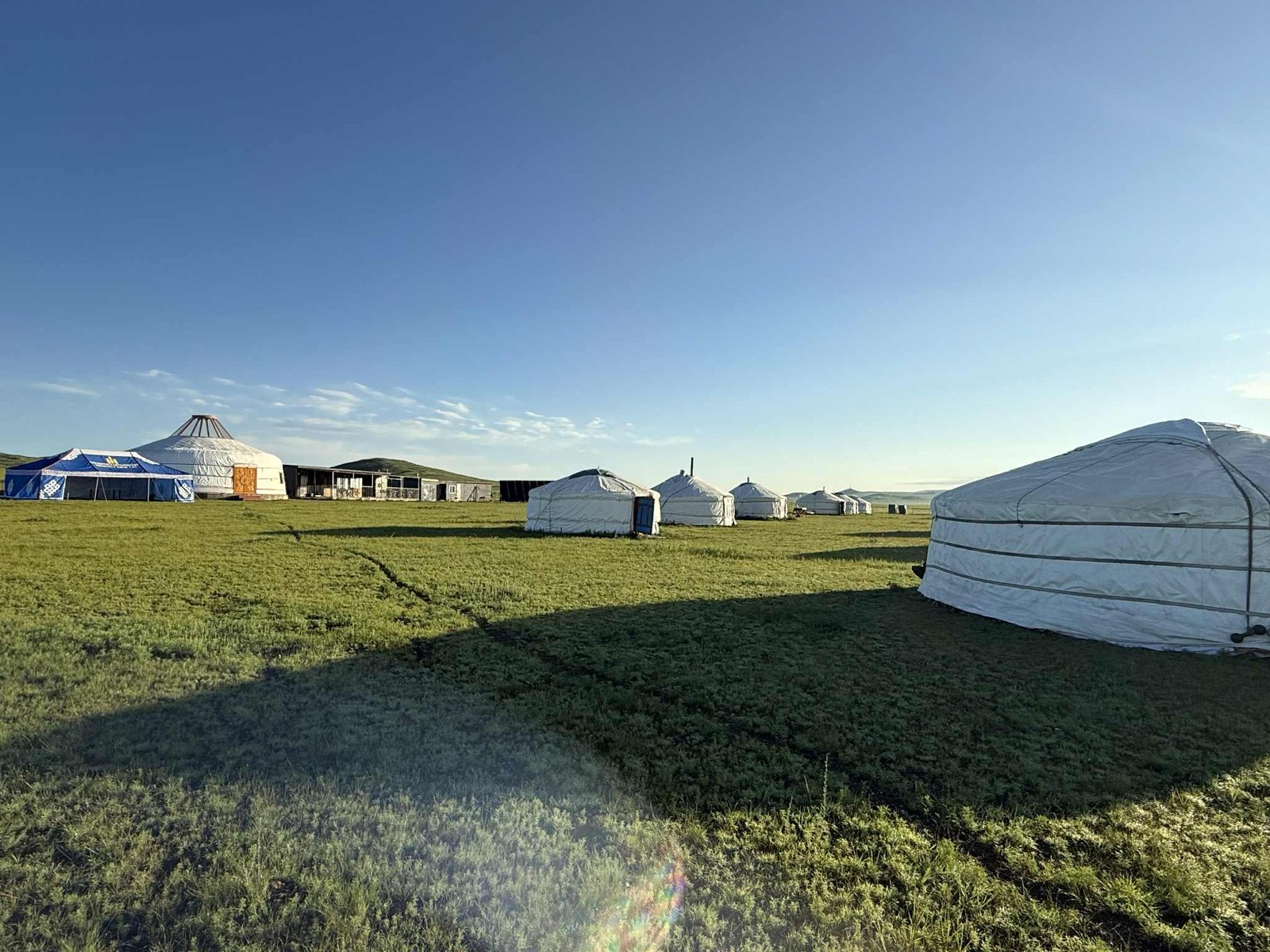
- 3 nights accommodation in tourist ger camps
- Full board — all meals (Lunch & Dinner on Day 1; Breakfast, Lunch & Dinner on Days 2–3; Breakfast & Lunch on Day 4)
- Land transportation throughout (4WD)
- English-speaking guide
- Mineral water
- All entrance fees and government charges
- All activity costs (horseback riding, cultural visits, nomadic experiences)
Exclusions:
- Gratuities for guide and camp staff
- Personal expenses and souvenirs
- Travel insurance (strongly recommended)
- Alcoholic beverages
- Additional activities not listed in the itinerary
from our gallery
day 1, September 18, 2026
Day 1: Ulaanbaatar to Khukhuur Steppe
Genghis Khan Equestrian Statue, Tsonjin Boldog
Duration: 30-minute photo stop
Lunch in Chinggis City
Duration: 1 hour
Khentii Provincial Museum
Duration: 1 hour
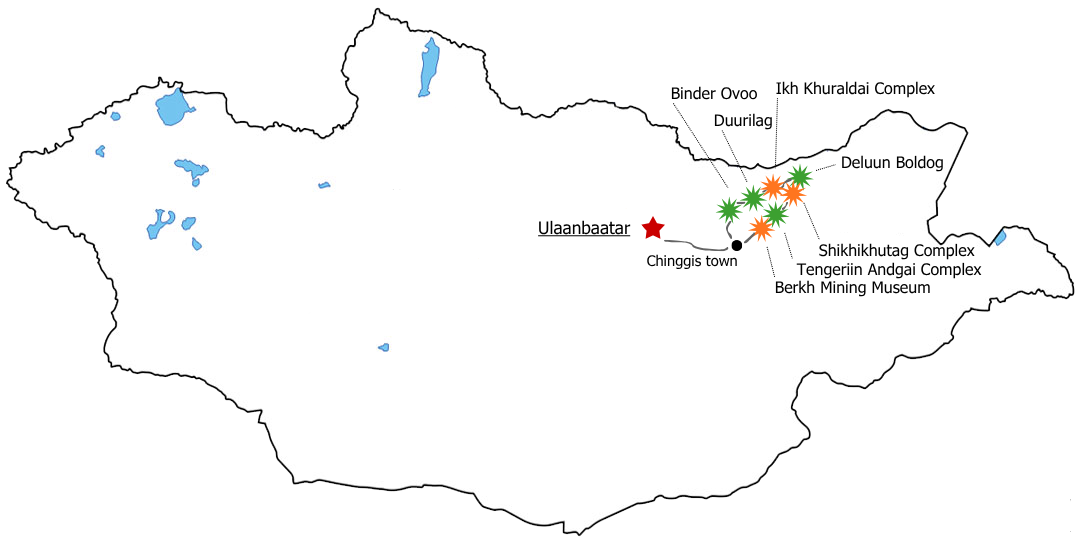
You leave Ulaanbaatar early and head east into Khentii Province — the heartland of Genghis Khan. Your first stop is the unmissable Equestrian Statue Complex at Tsonjin Boldog, where a 40-metre steel Chinggis Khan looms over the steppe. After a photo stop, you continue to Chinggis City for lunch, then visit the Khentii Provincial Museum for an introduction to the region’s deep history and the Berkh Underground Mining Museum, where mineral exhibits reveal the geological riches beneath this wide land.
By late afternoon you reach the Khukhuur Steppe — the very place where the young Temujin and his companion Boorchi are believed to have formed their bond of brotherhood. The Steppe Horse Camp sits here, run by working herders. You’re welcomed with airag (fermented mare’s milk) and immediately invited to join in: milking mares, catching foals, helping gather cattle to the pen. After dinner, the campfire burns into the night with songs drifting across the open steppe.
Day 2, September 19, 2026
Day 2: Tengeriin Andgai & Dadal Soum
Tengeriin Andgai Complex (Oath of Brotherhood)
Duration: 1.5 hours
Shikhihutag Complex
Duration: 1 hour — site where the laws of Great Mongolia were written
Birdwatching in migratory bird habitat
Duration: 30 minutes
Cross the Onon River
Duration: 30 minutes
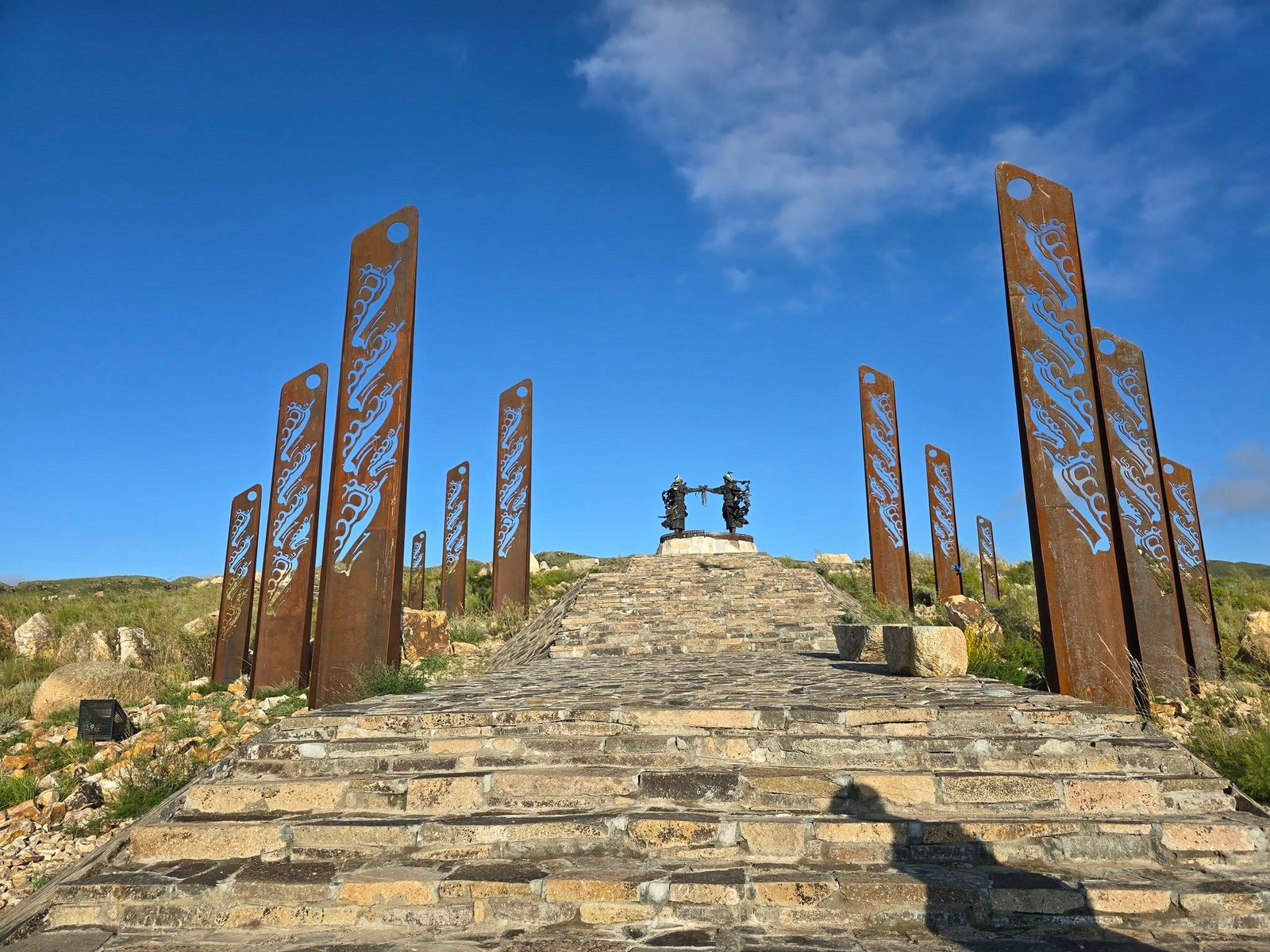
After breakfast, you set out to the Tengeriin Andgai Complex — the Oath of Brotherhood site — where stone monuments mark the ground where Temujin pledged his friendship with Boorchi, a bond that shaped the course of history. The stories here are told not in textbooks but in the landscape itself. Nearby, the Shikhihutag Complex preserves the site where Chinggis Khan’s chief judge codified the laws of the Great Mongolian state.
The road takes you through wetland corridors where migratory birds nest in season, then down to the Onon River — wide, clear, and cold — which you cross to reach Dadal Soum by midday. This small, forested settlement is the accepted birthplace of Genghis Khan. After lunch, you stand at Deluun Boldog, the low hill where he is said to have been born. You taste the spring water of Khajuu Bulag — the same source the young Temujin drank from — and visit a traditional Buryat family home, spending time with one of Mongolia’s most distinct ethnic communities.
day 1, September 18, 2026
Day 3: Hunnu Tombs, Great Khuraldai & Yalgui Gorge
Duurlig Nars Xiongnu (Hunnu) tombs, Bayan-Adraga soum
Duration: 1.5 hours — ancient burial mounds of the Xiongnu (Hun) period
Wish Tree
Duration: 20 minutes
Lunch in Binder Soum
Duration: 1 hour
Today is built around layers of history. You start at Duurlig Nars — ancient burial mounds of the Xiongnu (the Huns), a nomadic empire that preceded the Mongols by more than a thousand years. The earthen mounds sit in open pine country, quiet and largely unvisited. It’s a rare window into the deep nomadic past of this region.
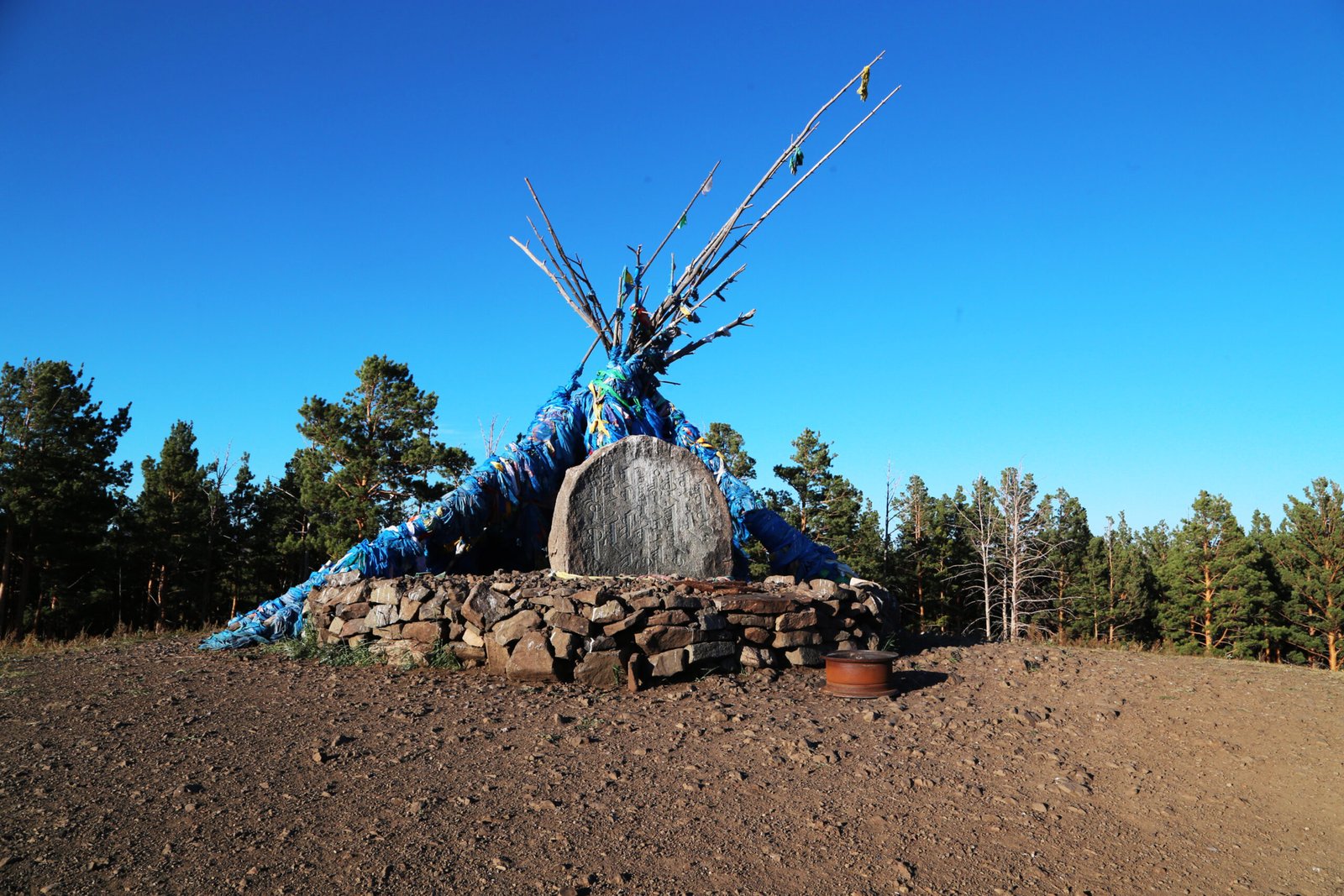
After pausing at a local wish tree hung with blue silk offerings, you continue to Binder Soum for lunch. In the afternoon, the Great Khuraldai Complex takes centre stage — a sweeping monument built to mark the spot where Chinggis Khan was proclaimed ruler of all Mongols in 1206 and the Mongol Empire was born. From here, the day turns to landscape: you walk through Yalgui Gorge, a narrow canyon where the rock walls close in and the Narsan mineral springs run clear, then follow the shore of Tsagaan Lake where waterfowl gather in the reeds. The evening is spent at a working herder’s farm before retiring to camp on the banks of the Onon River.
Day 2, September 19, 2026
Day 4: Khurkh River Valley & Return to Ulaanbaatar
Khurkh River Valley drive
Duration: morning scenic drive
Binder Ovoo
Duration: 30 minutes — sacred pilgrimage site associated with Genghis Khan
Rashaan Khad rock drawings (petroglyphs)
Duration: 1 hour — ancient carvings depicting animals and human figures
Oglugch Wall
Duration: 45 minutes — historical site with rock inscriptions and burial remains
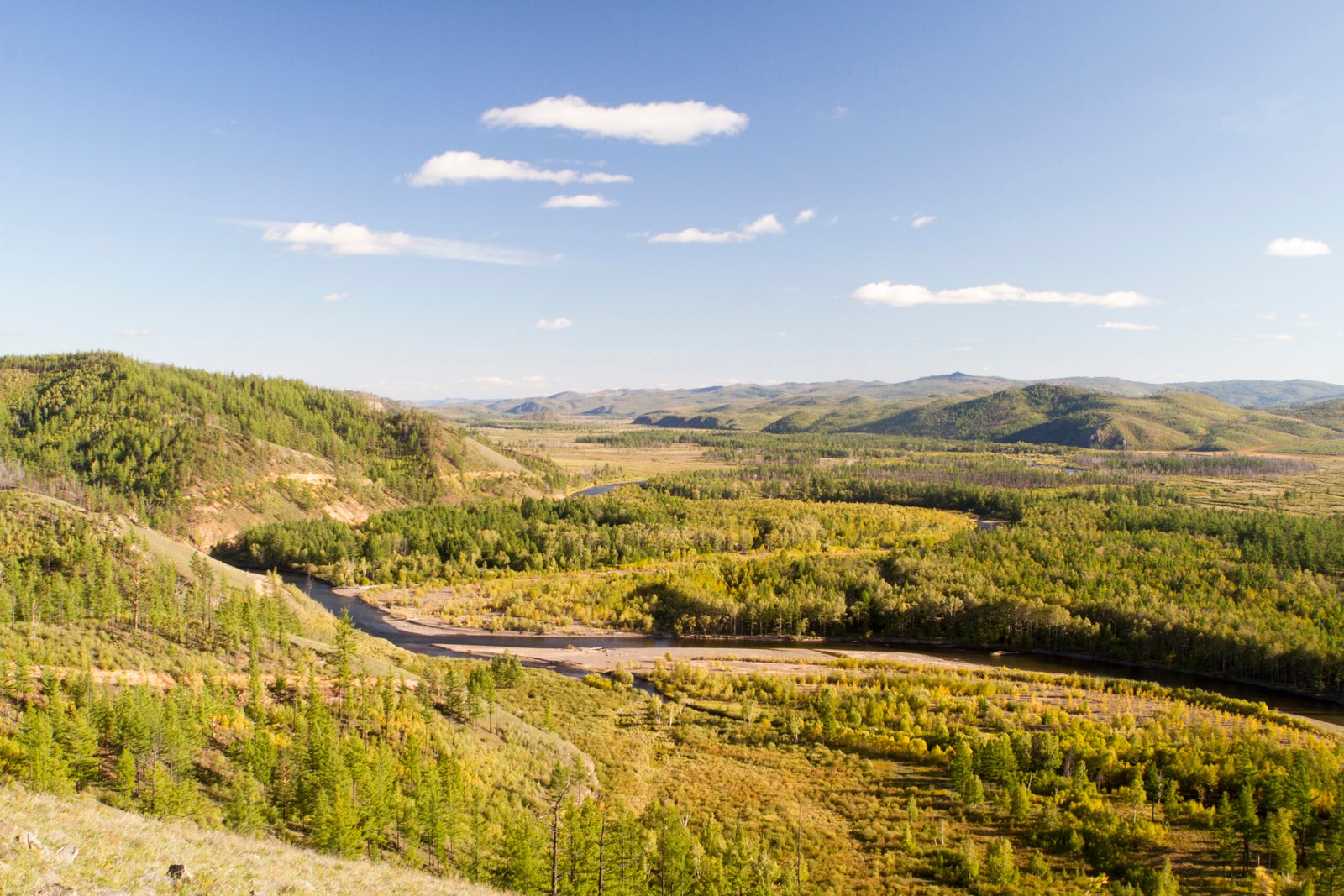
The final morning takes you along the Khurkh River Valley, wide and green under the summer sky. You stop at Binder Ovoo — a sacred cairn site long associated with Genghis Khan, where offerings are made and the story of his proclamation as ruler is still told. Further on, Rashaan Khad presents one of eastern Mongolia’s most accessible petroglyph sites: ancient carvings cut into rock surfaces thousands of years ago, depicting horses, deer, hunters, and symbols that predate the Mongol Empire by millennia. The nearby Oglugch Wall — a ridge with ancient inscriptions and burial features — adds a final archaeological punctuation to the journey.
After lunch on the road, you join the paved highway and head back toward Ulaanbaatar, arriving by evening. Four days, two rivers, eight centuries of history, and one steppe that changed the world.
Mon - Fri, 9.00am until 6.30pm