Gobi Desert Travel Guide: Sites, Seasons, Itineraries, and Practical Tips for Your Mongolia Trip
The Gobi Desert doesn’t ease you in. One hour outside Ulaanbaatar, the city drops away completely, and you’re left with something that can only be called space — unbroken steppe stretching to a horizon that never quite arrives. By the time you reach the red sandstone of the Flaming Cliffs or stand at the edge of Khongoryn Els dunes as the wind lifts a thin sheet of sand off the ridge, the scale of this place has already changed you.
This Gobi Desert travel guide covers everything you need to plan a real trip: the landmarks worth building your itinerary around, the best months to visit, how to get around, where to stay, and the practical details that can make or break a desert journey. Whether you’re considering a focused five-day loop or a deeper two-week expedition through southern Mongolia, this is your starting point.
Table of Contents
- Why the Gobi Deserves More Than a Day Trip
- The Essential Gobi Desert Landmarks
- Best Time to Visit the Gobi Desert
- How to Get Around the Gobi Desert
- Where to Stay: Ger Camps and Desert Lodges
- Sample Gobi Desert Itineraries
- What to Pack for the Gobi Desert
- Planning Your Trip with Atlas Mongolia Travel
Why the Gobi Deserves More Than a Day Trip
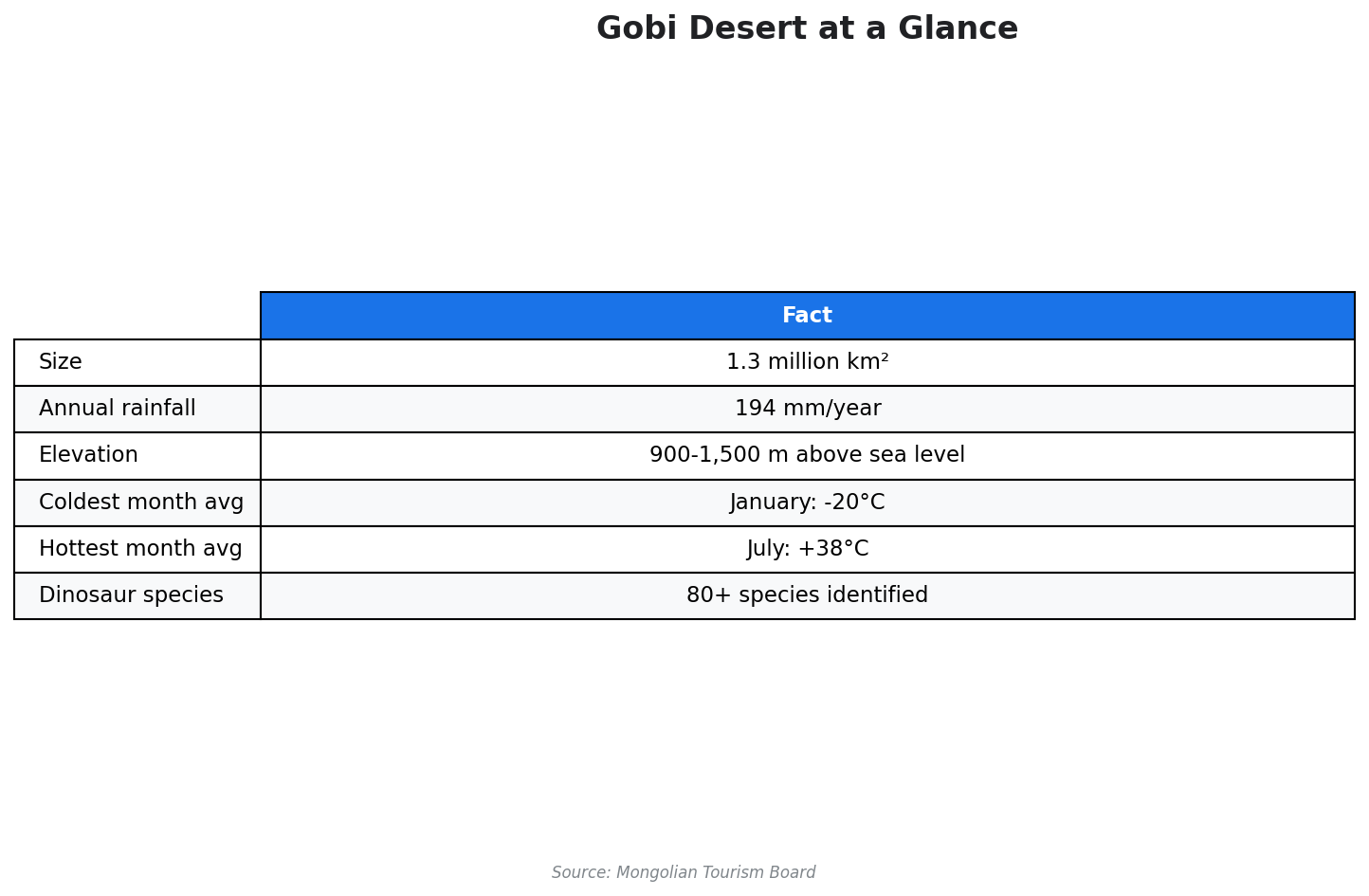
The Gobi is the fifth largest desert in the world, stretching across southern Mongolia and northern China across nearly 1.3 million square kilometres. But size alone doesn’t explain why travelers who visit once tend to plan a return trip before they’ve left.
What makes the Gobi different is its layering. This isn’t a single landscape — it’s a cold desert that shifts from open steppe to dramatic rocky escarpments, sand dune fields, ice-filled canyons, and dry river valleys within the space of a few days’ drive. Nomadic families still herd Bactrian camels and goats across these plains, living in gers as their ancestors did centuries before. Dinosaur fossils still surface from the red earth after heavy rains.
For travelers who’ve done Southeast Asia, explored Europe, ticked off the obvious destinations — the Gobi offers something rare: a place where the experience of simply being somewhere still feels like discovery.
The Essential Gobi Desert Landmarks
Flaming Cliffs (Bayan Zag)
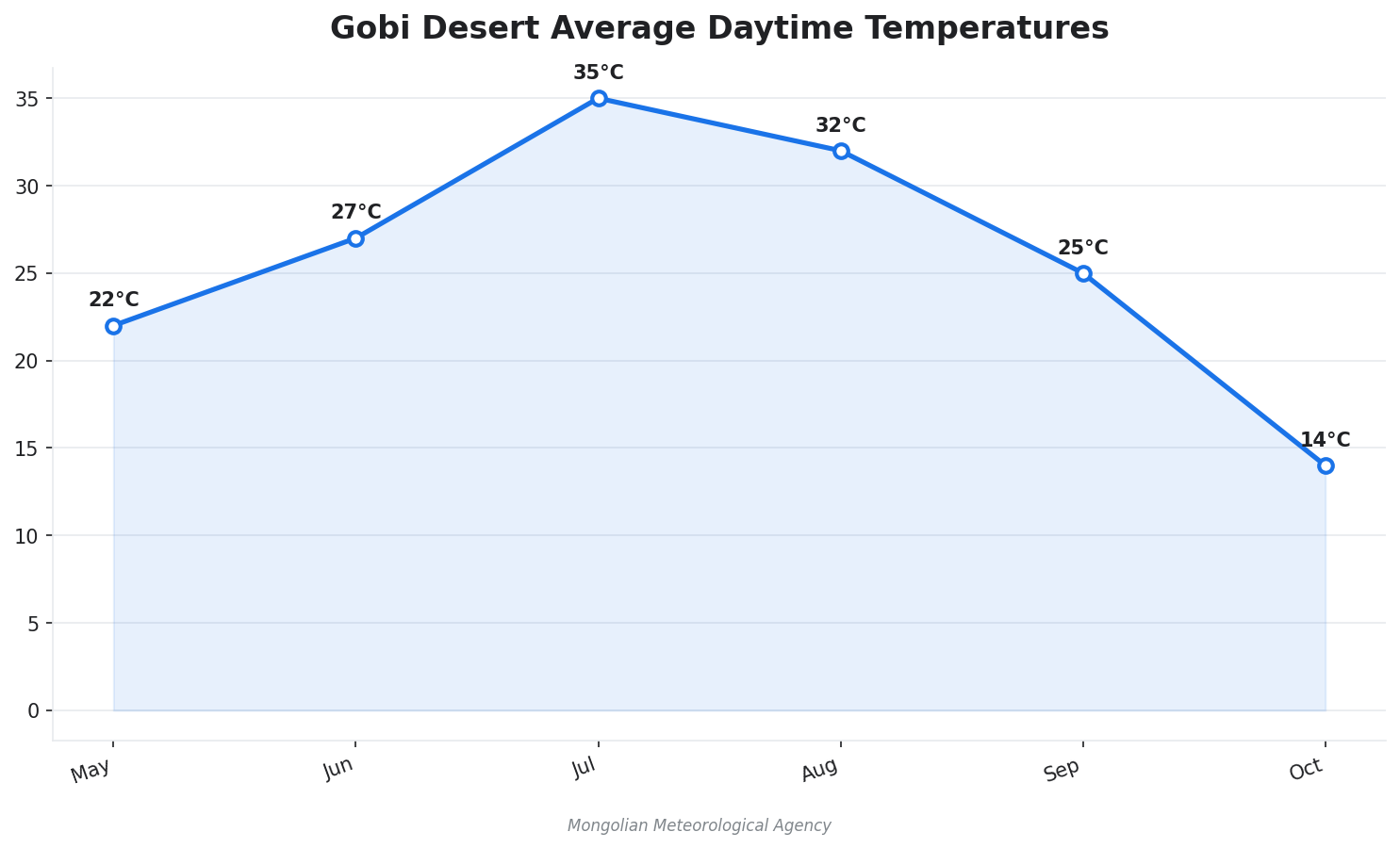
No site in the Gobi has shaped the world’s understanding of prehistoric life quite like Bayan Zag — the Flaming Cliffs. In 1923, American explorer Roy Chapman Andrews led an expedition here and uncovered the world’s first confirmed nest of dinosaur eggs, rewriting what scientists knew about how dinosaurs reproduced.
The name makes sense the moment you arrive at sunset. The red sandstone catches the low light and burns deep orange and gold across the entire cliff face. Walking along the edge at dusk, with the desert cooling and the sky turning colour behind you, is one of those moments where you stop talking and just look.
The site is still scientifically active. Fossil fragments — bones, eggshell, teeth — continue to surface from the eroding sandstone after rain. Mongolia has identified over 80 dinosaur species in its territory; this is ground zero for that discovery.
Bayan Zag is also home to the namesake saxaul trees (bayan means “rich in,” zag means “saxaul”) — desert-adapted trees with deep root systems that can live for decades without significant rainfall.
Khongoryn Els (The Singing Sands)
The Khongoryn Els dunes rise up to 300 metres above the surrounding desert floor, stretching nearly 200 kilometres along the northern edge of the Gobi Gurvan Saikhan National Park. This is one of the largest sand dune systems in Mongolia, and it’s genuinely otherworldly — smooth cream-coloured dunes against the granite grey of the Gurvan Saikhan mountains directly behind them.
The dunes earn their nickname from the sound they make. When wind moves sand along the ridge or when you push a cascade of sand down the face, the grains vibrate against each other and produce a low, humming resonance. Locals have called this place the Singing Sands for generations.
Climbing to the dune crest takes effort — each step forward in the loose sand gives back a half-step as the ground shifts. But the view from the top, especially at sunset with the mountains on one side and the open Gobi on the other, justifies every step. In the valley below the dunes, a thin river runs alongside nomadic ger settlements, and camel herds graze on the sparse vegetation.
Camel trekking here is one of the most memorable ways to move through the landscape. A Bactrian camel walk along the dune base, with a local herder leading the way, covers ground at exactly the right pace for the Gobi — slow enough to watch a hawk overhead, fast enough to reach the next camp by evening.
Yol Valley (Eagle Valley)
Yol Valley, named after the bearded vultures that soar its thermals, is the most surprising corner of the Gobi Desert. You enter expecting desert; you get a narrow granite gorge, lush green valley floor, and — even in late June — thick ice formations that persist in the canyon shadow.
The valley entrance is accessible by vehicle; from the designated parking area, you walk along a stream bed through progressively tightening canyon walls. Ibex scramble along the ridgelines overhead. In spring, wildflowers push up through the rocky ground. The ice formations deep in the gorge can be two metres thick in May, slowly receding through summer.
The hike takes two to three hours return and is suitable for most fitness levels. It provides a complete counterpoint to the dunes — cool, intimate, and ecologically distinct in a way that reminds you the Gobi Desert is not, and has never been, just sand.
Tsagaan Suvarga (White Stupa)
Tsagaan Suvarga is often the first major stop on a Gobi circuit heading south from Ulaanbaatar. These weathered limestone columns and cliff formations were once the floor of an ancient sea — their layers representing millions of years of geological change visible in horizontal bands of cream, ochre, and rust.
The formations resemble the ruins of a great city from a distance, which is part of their appeal. Standing at the base and looking up, the scale becomes clear. Early morning and late afternoon light brings out the texture and colour in ways midday sun flattens completely. This is a photographer’s stop as much as a landscape stop.
Tugrugiin Shiree (Fighting Dinosaurs Site)
Less visited than the Flaming Cliffs but arguably more significant in the paleontological record, Tugrugiin Shiree is where the famous “Fighting Dinosaurs” fossil was found: a Velociraptor and Protoceratops preserved in combat, locked together at the moment of their deaths 74 million years ago. The specimen is now in the Mongolian Natural History Museum in Ulaanbaatar, but standing at the site where they were discovered — a white sandstone escarpment rising from the desert floor — brings the scale of geological time into sharp focus.
Best Time to Visit the Gobi Desert
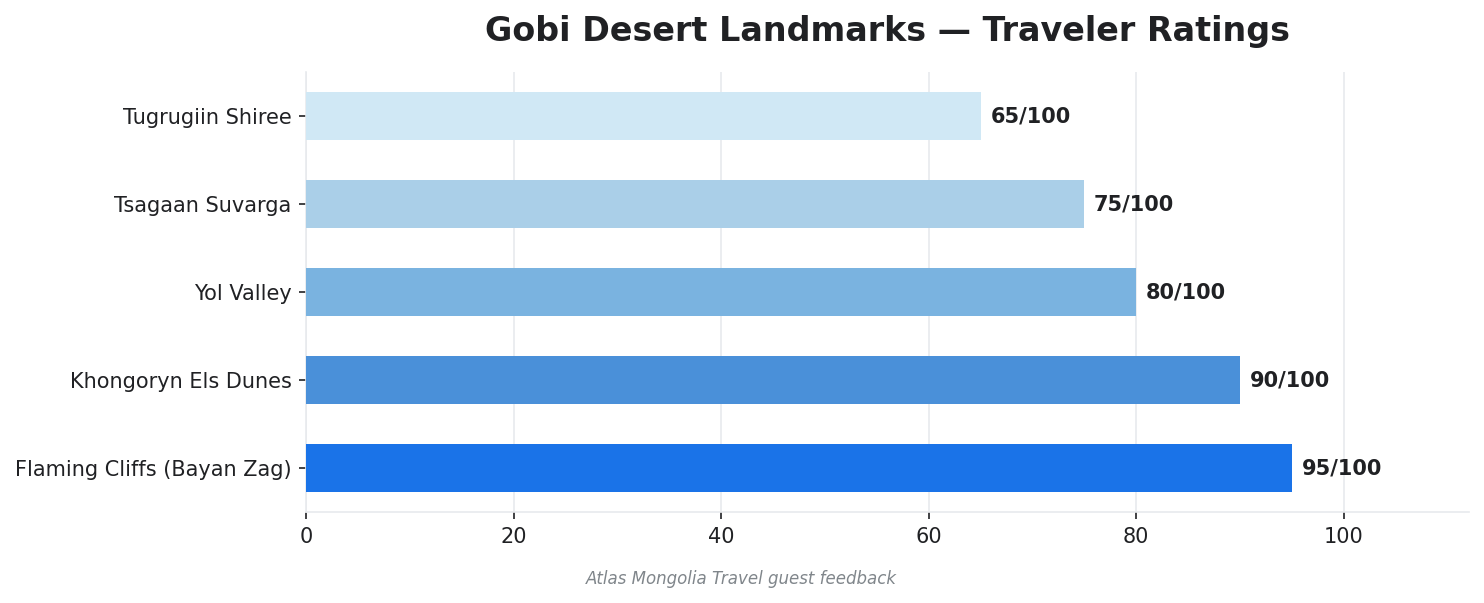
The Gobi Desert travel season runs from mid-May through early October. Within that window, each month has a distinct character.
May–June is the shoulder season: cooler temperatures, occasional wind, fresh green on the steppe. Days can reach 25–30°C; nights drop to single digits or below. The Yol Valley ice formations are at their most impressive in early June. Crowds are minimal.
July is peak season and the warmest month — daytime temperatures average 28°C and can push to 38°C. This is also the wettest month (brief but intense afternoon storms are common). The Naadam Festival falls in mid-July, which makes combining a Gobi trip with Naadam in Ulaanbaatar a natural itinerary option.
August offers warm days, fewer storms than July, and excellent light. This is the most popular month, particularly for European travelers. Book ahead.
September–October brings cooler air, dramatic skies, and golden steppe. September is often considered the single best month for photography — the light is extraordinary. Night temperatures drop sharply, especially in October, so packing layers is essential.
Avoid November through April: the Gobi in winter is one of the coldest inhabited places on earth, with temperatures reaching -40°C. It is not a viable travel season.
How to Get Around the Gobi Desert
The Gobi is vast and has almost no paved roads outside of the town of Dalanzadgad. Getting around effectively requires a 4WD vehicle with an experienced driver — there are no alternatives if you want to reach the major landmarks.
Most travelers fly from Ulaanbaatar to Dalanzadgad (the South Gobi provincial capital) on MIAT Mongolian Airlines — the flight takes about 1.5 hours and removes 10–12 hours of overland driving. From Dalanzadgad, a private vehicle and driver covers all the main sites.
Distances between landmarks are significant. Expect 4–6 hours of driving per day in a well-equipped 4WD van on unpaved tracks. The roads are rough enough that sleeping in the vehicle is difficult. This is part of the Gobi experience — the scenery through the windows on these drives is often as memorable as the destinations themselves.
Guided tours are the most practical option for most international travelers. They handle the logistics (permits, ger camp bookings, driver-guide, meals) so you can focus on the experience rather than navigation. Independent travel in the Gobi is possible but requires your own vehicle, detailed GPS maps, and experience with remote desert driving.
Where to Stay: Ger Camps and Desert Lodges
Accommodation in the Gobi falls into two categories: ger camps and premium lodges.
Ger camps are the standard option — clusters of traditional round felt tents set near the main landmarks, usually run by local families or small operators. They include a bed, basic furniture, and shared bathroom facilities in a nearby building. Meals are served communally and lean heavily on Mongolian cuisine: mutton broth, tsuivan noodles, rice dishes. The experience of sleeping in a ger under the Gobi sky — with the felt walls muffling the wind and the temperature dropping sharply outside — is one of the defining memories of a Mongolia trip.
Premium lodges, such as Three Camel Lodge near the Flaming Cliffs, offer private ger-style accommodation with ensuite bathrooms, curated excursions, and guides who can go deeper on the history and ecology of each site. This is the right option if comfort and depth of experience are priorities.
The one thing all Gobi accommodation has in common: the night sky. There is virtually no light pollution in southern Mongolia. The Milky Way is visible to the naked eye on clear nights, and the silence is complete. Many travelers say this — lying outside their ger looking up — becomes the unexpected centrepiece of their whole Mongolia trip.
Sample Gobi Desert Itineraries
5 Days: Gobi Highlights Loop
The fastest way to see the Gobi’s best sites. Fly Ulaanbaatar → Dalanzadgad; drive to the Flaming Cliffs and Tsagaan Suvarga; continue to Khongoryn Els for camel trekking; finish with Yol Valley before returning to Dalanzadgad and flying home. This covers the four major landmarks without feeling rushed.
7 Days: Gobi Wonders Expedition
Atlas Mongolia Travel’s signature Gobi itinerary. Adds deeper exploration — a night in a nomadic family ger, a full morning at Tugrugiin Shiree, and time in the Gobi Gurvan Saikhan National Park beyond just Yol Valley. More driving, but the pace allows for the quieter moments that the five-day version misses.
10–12 Days: Gobi + Central Mongolia
Combines the Gobi circuit with the Orkhon Valley — the ancient heartland of the Mongol Empire. You’ll visit Erdene Zuu Monastery (built partly from the rubble of the ancient capital Karakorum), ride horses through the Orkhon Valley gorge, and connect the desert south with the steppe centre. This is the trip for travelers who want a complete picture of Mongolia’s geography and history.
What to Pack for the Gobi Desert
The Gobi’s temperature range is the most important thing to prepare for. A July day can reach 38°C; the same night drops below 15°C. In May and September, that swing is even more dramatic.
Clothing:
- Lightweight, moisture-wicking layers for daytime
- Warm fleece or down jacket for evenings and mornings
- Wide-brim hat and UV-blocking sunglasses
- Sturdy closed-toe shoes for walking on uneven terrain (sandals are not practical on rocky ground)
- Buff or scarf for dusty days
Gear:
- High SPF sunscreen — the desert sun at altitude is unforgiving
- Spare camera batteries and a portable power bank (ger camps have limited or no charging)
- Lip balm and moisturiser — the air is extremely dry
- Headlamp for navigating between gers at night
- Wet wipes — showers are available at ger camps but not always hot or plentiful
Health:
- Any prescription medication in sufficient supply — the nearest pharmacy is Dalanzadgad, hours from most camps
- Rehydration salts — easy to underestimate fluid loss in dry desert air
For practical trip planning details including how payments work in Mongolia — what to carry, where cards are accepted, and how much cash to bring to the Gobi — read our guide.
Planning Your Trip with Atlas Mongolia Travel
The Gobi Desert rewards travelers who go in with good information and a guide who knows the ground. The logistics — permits, vehicle condition, ger camp access, timing the Flaming Cliffs at sunset — matter enormously to how the experience lands.
Atlas Mongolia Travel is based in Ulaanbaatar and has been running private Gobi tours for international travelers for years. Their team grew up across Mongolia, including the south. Their Gobi Wonders Expedition is a 7-day private tour designed to give you the landmarks without rushing past the moments between them — the nomadic family lunch, the dune sunset, the canyon ice in Yol Valley.
Every trip is private and customisable. If you want to add photography focus, extend a particular site visit, or build the Gobi into a longer Mongolia itinerary combining Naadam, the Altai Eagle Festival, or Khövsgöl Lake — that conversation starts with a free consultation.
Ready to plan your Gobi Desert trip? Get in touch for a free, no-obligation consultation →
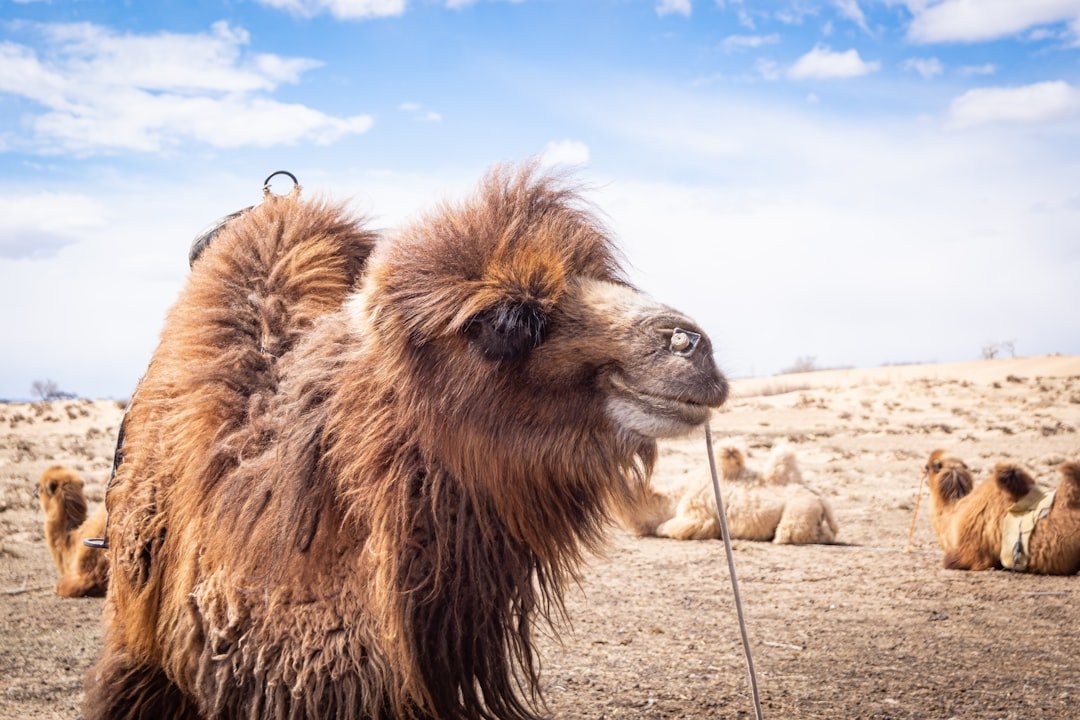
Featured image: Photo by Bailley Schmidt on Unsplash

Atlas Mongolia Travel
Atlas Mongolia Travel is a locally operated tour agency based in Ulaanbaatar, Mongolia, specializing in authentic private and group tours across Mongolia.
Pingback: Best Time to Visit Mongolia: A Local Operator's Month-by-Month Guide