The Complete Mongolia Packing List: What to Bring for Summer, Fall, Winter, and Spring
Packing for Mongolia means preparing for extremes — not just cold or heat, but both, sometimes within the same week. What goes in your bag depends heavily on when you’re going. This guide breaks it down by season, with a universal essentials section that applies year-round.
- Mongolia’s climate varies wildly by season — summer can hit 40°C in the Gobi while winter drops to -40°C in the north.
- Layering is the core strategy for every season, not just winter.
- The Eagle Festival (October, Bayan-Ölgii) needs specific preparation: altitude, wind, and a 30°C temperature swing between noon and midnight.
- Winter travelers need -40°C-rated boots and a four-layer system — not negotiable.
- Year-round essentials: cash in Mongolian tögrög, a power bank, sunscreen, and a headlamp.
What Should You Pack for Mongolia in Summer?
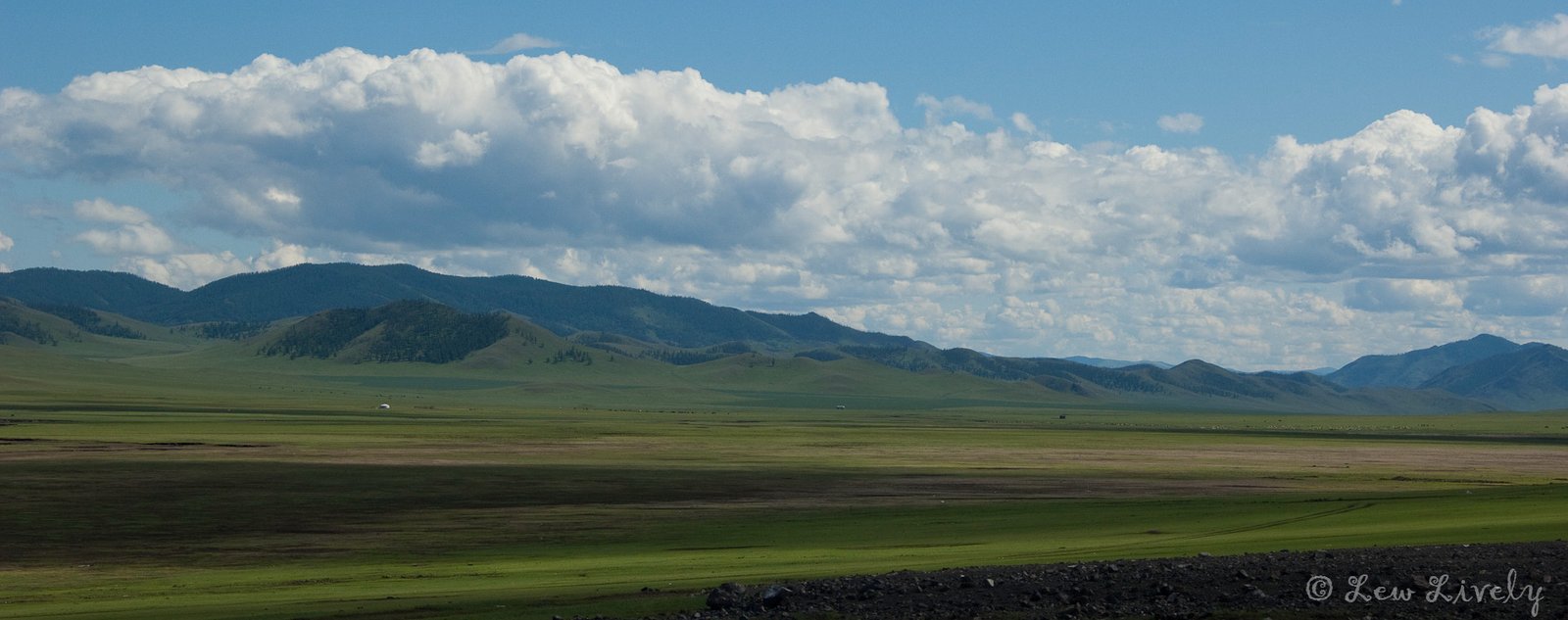
Mongolia’s summer (June through September) is when most international travelers arrive, and it’s genuinely the easiest season to pack for. Days are warm to hot — the central steppe sits around 20–28°C, while the Gobi can push past 40°C. Nights cool quickly. Even in July, you’ll want a fleece when the sun goes down at the ger camp.
The Gobi Desert in July is a different world from the northern steppe. In Bayanzag — the Flaming Cliffs — you’re dealing with direct sun, sand, and heat that radiates off red sandstone into the evening. In Khövsgöl or the Orkhon Valley, the same week might bring rain and temperatures that feel more like 15°C. Pack for both.
Summer clothing:
- 3–4 lightweight, breathable long-sleeve shirts (sun and wind protection — the Mongolian steppe has no shade)
- 1–2 quick-dry trousers or hiking pants
- 1 pair of shorts (for camp, not riding)
- Lightweight fleece or down vest for cool evenings
- Rain jacket — summer in the north means afternoon thunderstorms
- Bandana or buff for dust
Footwear: Trail runners or light hiking boots work well. Sandals for camp. If you’re doing any horseback riding, bring closed-toe shoes with a small heel — open-toe sandals and stirrups don’t mix.
Sun protection: SPF 50 sunscreen, minimum. Mongolia sits at high elevation and the UV index is higher than most travelers expect. Bring more than you think you need — quality sunscreen is hard to find outside Ulaanbaatar.
What experienced travelers leave at home for summer: heavy jeans (they don’t dry fast and chafe on horseback), cotton base layers (sweat-trapping in the Gobi heat), and formal shoes.
For a full summer-specific breakdown with gear recommendations, see our Mongolia summer packing guide.
What Should You Pack for the Eagle Festival and Autumn Mongolia?
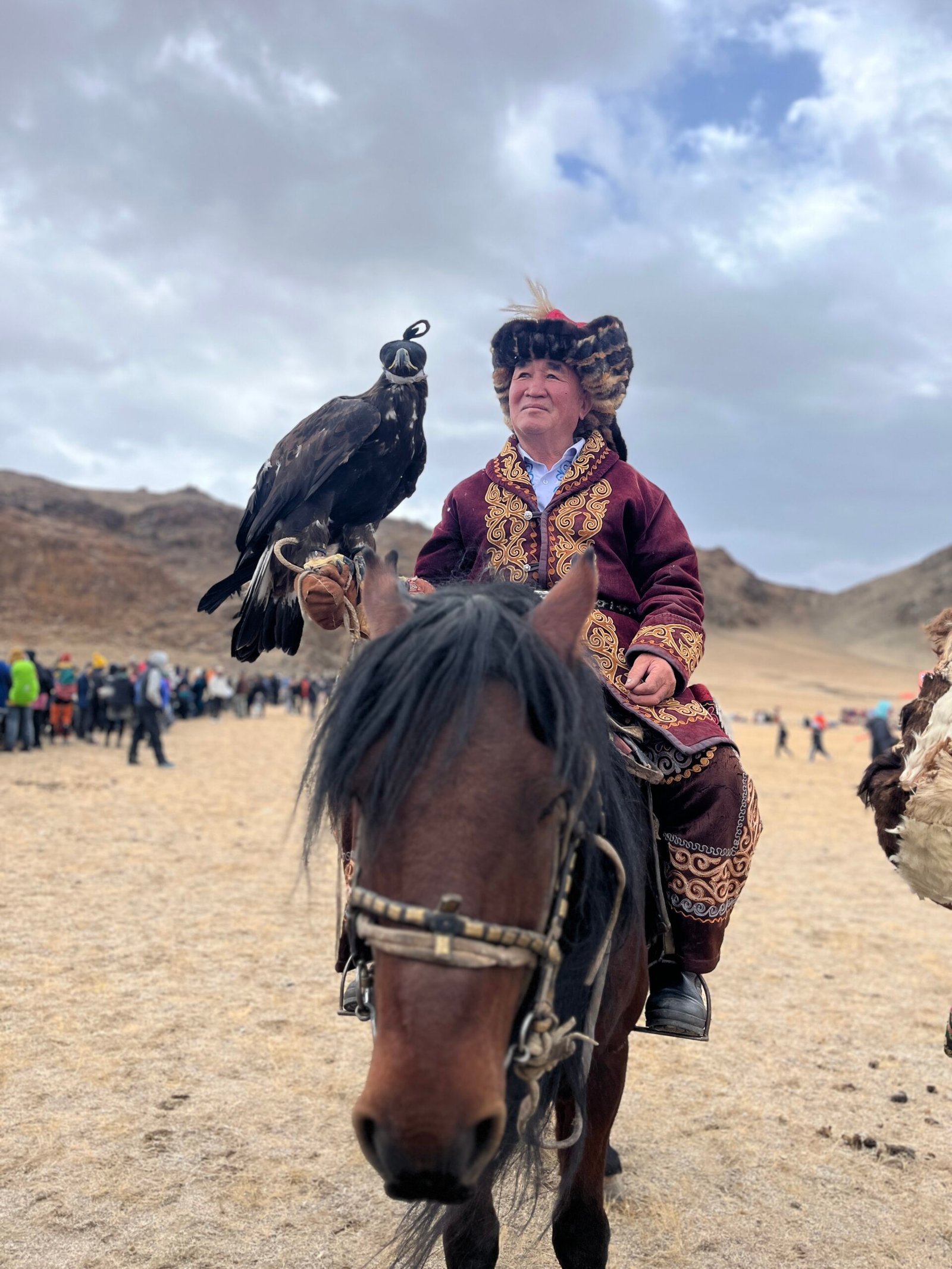
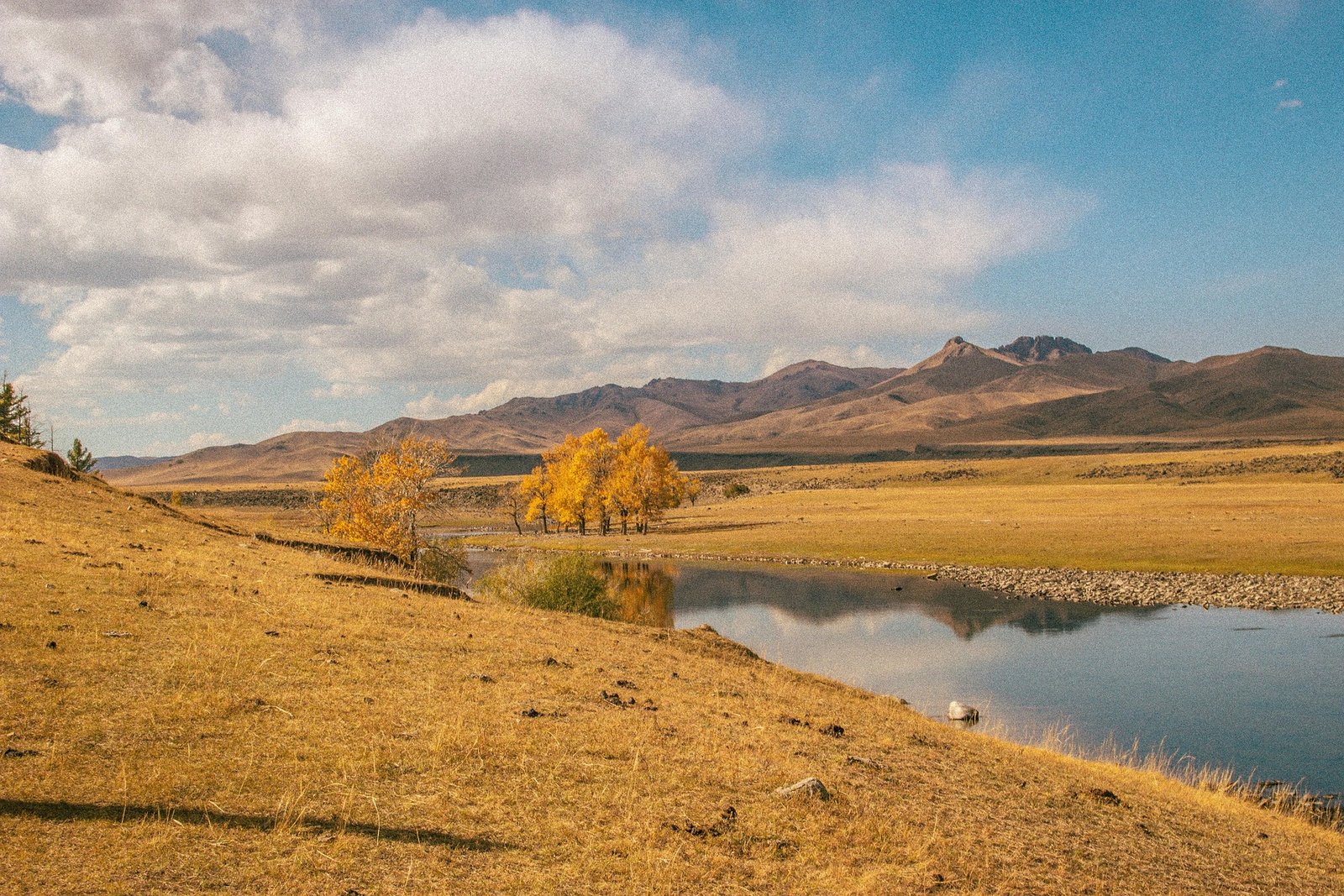
Autumn is, by consensus of anyone who’s been, one of the two best times to visit Mongolia. The crowds drop. The steppe turns gold and copper. Temperatures are manageable. And the Golden Eagle Festival takes place in Bayan-Ölgii province in early October — one of the most visually striking events in Central Asia.
The tricky part is the temperature swings. In September, daytime temperatures across central Mongolia hover around 15–20°C — pleasant and bright. But by mid-October in Bayan-Ölgii, you can see 12°C at noon and -8°C by 10pm. That gap is not an exaggeration.
The Eagle Festival specifics: Bayan-Ölgii sits at 1,600–1,800 meters elevation. The festival ground is exposed — open rocky terrain with wind that comes through the Altai mountain passes with real force. You’ll stand outside for hours watching the competition. Wear everything you brought. Bring hand warmers.
Autumn / Eagle Festival clothing:
- Thermal base layer (top and bottom) — mornings and evenings are cold
- Mid-layer fleece
- Insulated jacket (down or synthetic) — this becomes your primary layer by October
- Wind-resistant outer shell — critical on the festival ground
- Warm hat that covers ears
- Gloves — light ones for September, heavier insulated ones for October
- Wool or thermal socks
- Sturdy ankle-support hiking boots with grip (the festival terrain is rocky and uneven)
What catches people off guard at the Eagle Festival: The competition runs long. You’ll sit or stand outdoors for 4–6 hours watching events across two days. Bring a small cushion or sitting pad for the rocky bleachers. Bring more layers than you think you need. The spectators who are comfortable are the ones who overdressed.
Photography note: Autumn is Mongolia’s best photography season. If you’re bringing a camera, pack lens cloths and a UV filter — dust is a factor even in September.
Atlas Mongolia Travel runs the Altai Eagle Festival Tour each September. We know this terrain.
How Should You Pack for Mongolia in Winter?
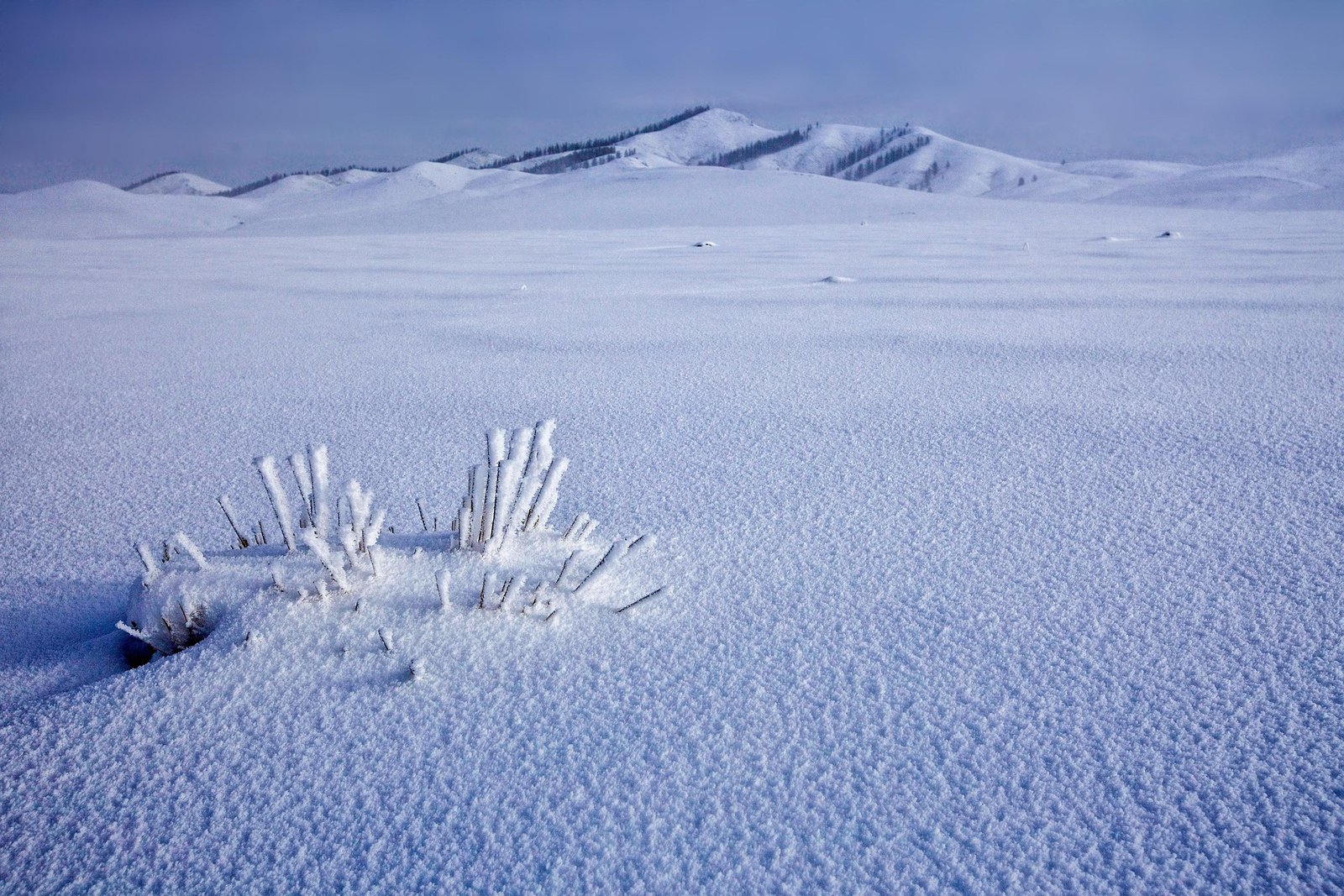
Let’s be direct: Mongolia in winter is not a casual cold-weather destination. Temperatures in the central steppe regularly drop to -25°C. In the north — Khövsgöl, the Taiga — -35°C to -40°C is a real number you’ll experience, not a statistic. In January 2023, Ulaanbaatar recorded -47°C with windchill. This isn’t meant to scare you. It’s meant to get you to take packing seriously.
The people who have a difficult time in Mongolian winter are the ones who show up with a good ski jacket thinking it’ll be enough. It won’t.
The Four-Layer System for -40°C
Layer 1 — Base layer (wicking): Merino wool or high-quality synthetic thermal. No cotton. Cotton holds moisture against your skin, and in -30°C, that moisture becomes a problem fast. Merino is warmer, odor-resistant, and keeps working even when slightly damp. Bring two sets so one can dry while you wear the other.
Layer 2 — Mid-layer (insulation): Heavy fleece or a down sweater. This is where your warmth comes from. A light fleece designed for autumn hiking won’t hold up at -25°C.
Layer 3 — Outer insulation: A quality down jacket rated for sub-zero temperatures. If you’re spending significant time outdoors — riding, trekking, dog sledding — look for a parka rated to at least -20°C. Goose or duck down with 600+ fill power holds warmth better in extreme cold than synthetic alternatives.
Layer 4 — Shell (wind and moisture): A windproof, water-resistant outer shell worn over your down. Wind at -20°C can bring the felt temperature to -35°C in minutes. The shell stops this.
Extremities — Where Winter Travelers Most Often Get It Wrong
Boots: Must be rated to -40°C. Sorel, Baffin, and Kamik all make solid options in this range. Anything less and your feet will suffer after 30 minutes outdoors. Don’t assume your hiking boots are warm enough — they almost certainly are not.
Gloves: Bring two pairs — thin liner gloves plus insulated outer mittens. Mittens are warmer than gloves because fingers share heat. For any outdoor activity beyond 30 minutes, you want mittens over the liners.
Balaclava: Essential, not optional. When temperatures drop to -30°C, exposed skin on your face hurts within minutes. A good merino or fleece balaclava covers your face and neck.
Hand warmers: Pack 20–30 single-use hand warmers. They cost almost nothing and make a real difference when you’re standing outside watching an ice festival or waiting for a ger stove to reach temperature.
Wool hat: Under your balaclava hood. You lose a significant portion of body heat through your head.
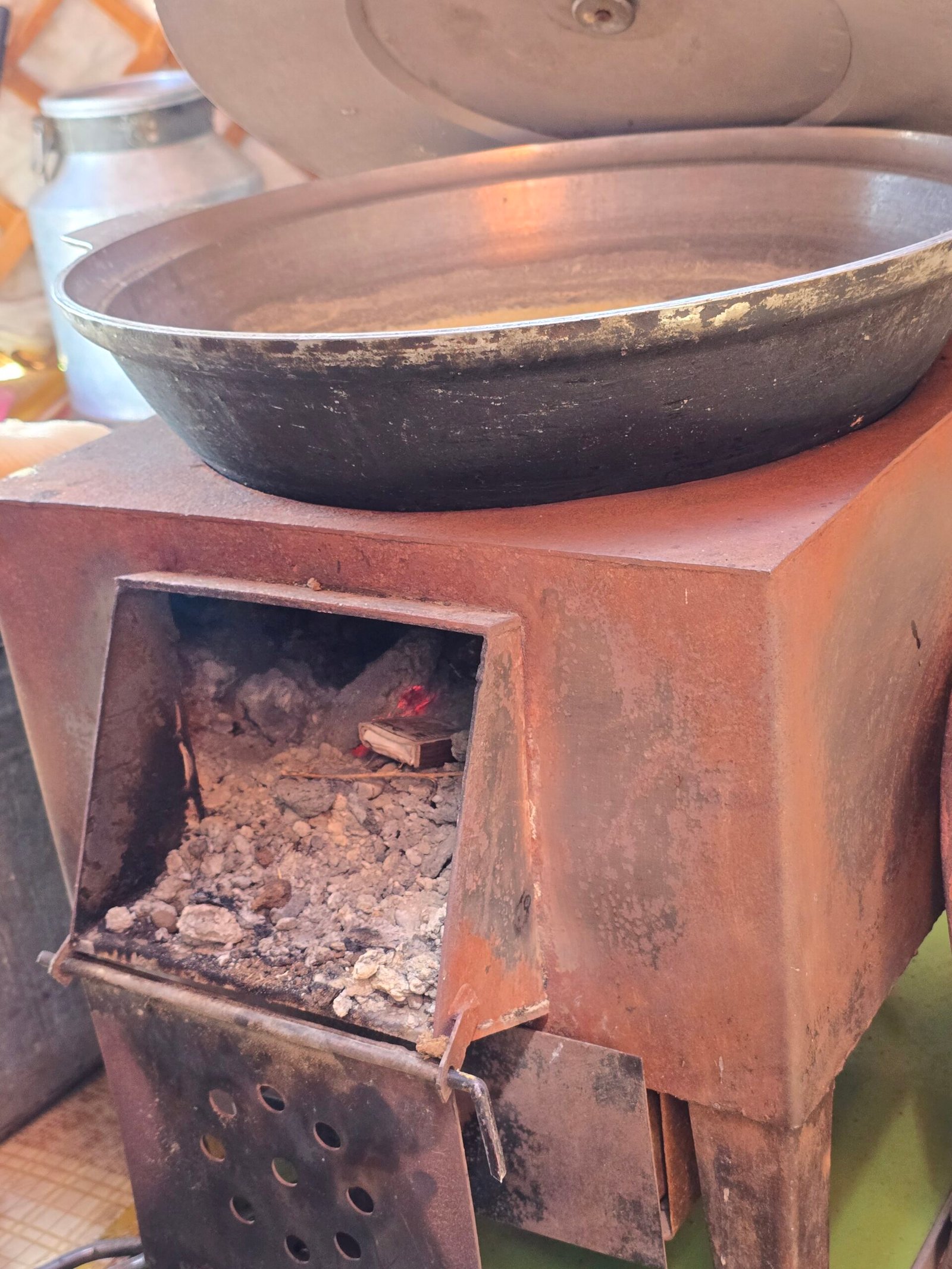
Sleeping in a ger: Ger camps and nomadic family gers have central wood or coal stoves that heat the space well. You don’t need a -40°C sleeping bag for a heated ger. A blanket or lightweight sleeping bag liner works for most ger stays. If you’re camping — and some winter itineraries include this — bring a sleeping bag rated to -30°C minimum.
One thing experienced winter travelers always bring: A thermos. Hot drinks change the experience when you’re outdoors for hours. Fill it with suutei tsai (Mongolian salt butter tea) if you can get it from your host family. It warms you from the inside in a way plain hot water doesn’t.
Available in Ulaanbaatar if you forget something: Mongolian-made deel (traditional winter coats) sell for around $100–200 in UB markets and are genuinely effective in extreme cold. Cashmere and camel wool products are high quality and affordable here. Leather gloves run about $10 at the Narantuul market. You can supplement what you forget — but don’t count on it for critical gear like boots.
What Should You Pack for Mongolia in Spring?
Spring in Mongolia (April and May) is the most overlooked season — and honestly, one of the most interesting. The Gobi starts its slow recovery from winter. The steppe turns from brown to a tentative green by late May. Nomadic families begin moving their animals to spring pastures, and the countryside feels like it’s exhaling.
It’s also the windiest season in Mongolia. Dust storms in the Gobi and strong southerly winds across the central steppe are not rare in May. April in central Mongolia can feel like late autumn — cold, grey, and with precipitation that can’t decide between rain and snow.
Spring requires a hybrid approach. Pack for cool-to-cold conditions with the ability to adapt for warm afternoons. The temperature swing between early morning and midday can be 15°C in April, which is more than most travelers anticipate.
Spring clothing:
- Thermal base layers (top and bottom) — mornings and evenings need them through most of April
- Mid-layer fleece
- Insulated jacket (the same one you’d bring for autumn)
- Wind-resistant shell — spring wind in the Gobi specifically is relentless
- Light rain jacket (which doubles as wind protection)
- Warm hat and gloves for cold morning starts
- Buff or scarf for dust
- Sunglasses — the spring sun is strong and wind kicks up dust and sand
Footwear for spring: Waterproof hiking boots with ankle support. Mud is real in spring — frozen ground thaws and ger camp access tracks can become soft. Gaiters are worth bringing if you’re planning significant trekking.
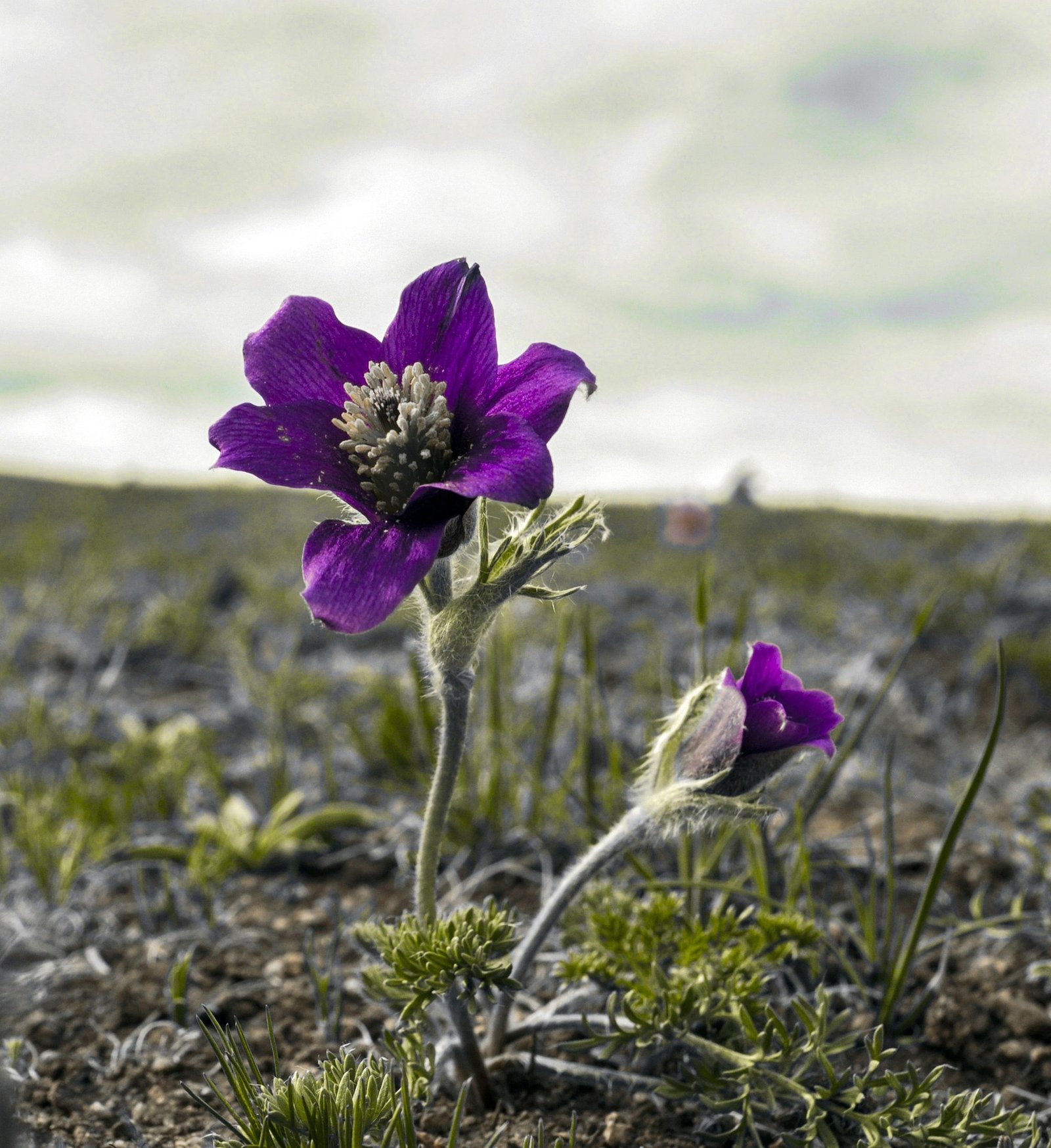
What’s different about spring: Fewer tourists, lower prices, and the chance to see Mongolia in transition. If you visit in late May, you might catch the first wildflowers — the purple pasqueflower blooms on the steppe before almost anything else, and the Altai meadows start coming alive with colour.
Year-Round Essentials: What You Need Regardless of Season
These items go in the bag whether you’re arriving in July heat or January freeze.
Documents and Money
Mongolia runs predominantly on cash. Credit cards work in Ulaanbaatar hotels and some tourist-facing businesses, but outside the capital, cash in Mongolian tögrög (MNT) is essential. For more on payments and ATMs, see our guide to payments in Mongolia.
- Passport (valid for at least 6 months beyond your return date)
- Visa documentation — citizens of 65+ countries receive free 30-day entry
- Travel insurance documents — see our Mongolia travel insurance guide
- Emergency contacts printed on paper (don’t rely only on your phone)
- USD or EUR for airport exchange
Electronics
Remote Mongolia has limited electricity. Many ger camps use solar panels that charge during the day and deplete by late evening. Charge everything before you leave the city.
- Power bank (20,000 mAh minimum — enough for 4–5 phone charges)
- Universal adapter (Mongolia uses Type C and E plugs, same as Europe)
- Camera with extra batteries — cold kills battery life fast. In winter, always carry batteries inside your jacket
- Offline maps downloaded to your phone (Maps.me has good Mongolia coverage)
Medical Kit
Mongolia’s countryside has no pharmacies. Ulaanbaatar has good hospitals and pharmacies, but you’re typically 2–8 hours from the capital when on tour. For a full pre-trip health guide, see our Mongolia vaccines and health preparation article.
- Any prescription medications (bring more than you need)
- Ibuprofen or paracetamol
- Rehydration sachets (altitude and heat both dehydrate faster than you expect)
- Blister plasters
- Antiseptic wipes and a small wound dressing
- Antidiarrheal medication (a change of diet and water can affect your gut)
- Motion sickness tablets (off-road driving on Mongolian steppe tracks is genuinely rough)
General Gear
- Headlamp with spare batteries (ger camps often have no lighting outside the gers)
- Water bottle (1.5L minimum)
- Sunscreen SPF 50+ (year-round — UV is strong at Mongolian elevations)
- Moisturizer and lip balm (the air is dry in every season)
- Wet wipes and hand sanitizer (some remote areas have limited washing facilities)
- Earplugs (light sleeping in gers means you hear everything — animals, wind, the other guests)
- Small daypack (10–15L) for daily excursions away from the main vehicle
What to Leave at Home
Experienced travelers visiting Mongolia consistently report the same overpacked items: formal clothes, heavy jeans, multiple pairs of shoes, and cotton base layers. Mongolia’s tours are outdoor-focused. You’ll rewear the same quick-dry trousers three days running and nobody will notice or care. Pack light. The fewer decisions you make about clothing each morning, the more you notice everything else.
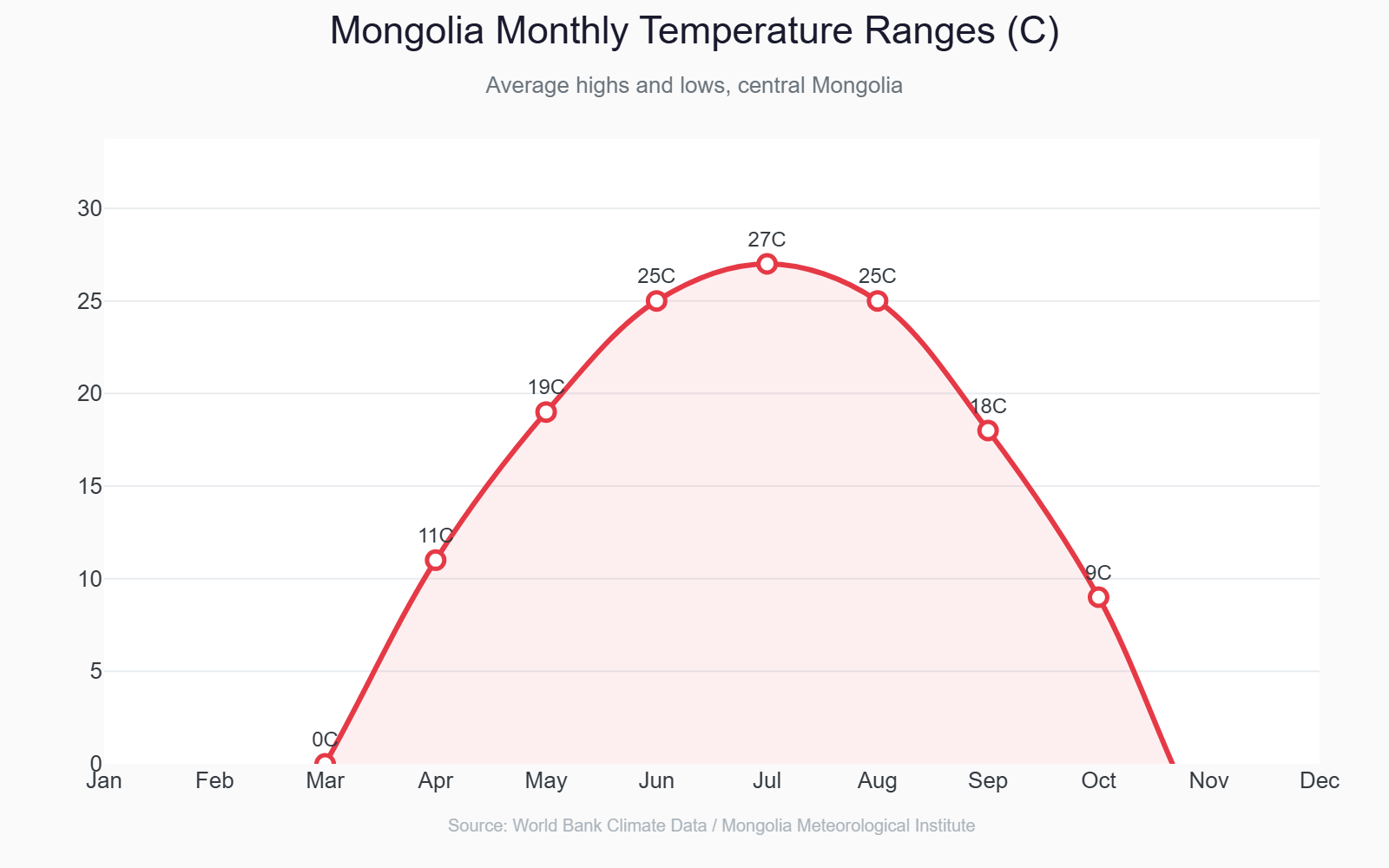
Mongolia Temperature Guide: Highs and Lows by Month
Frequently Asked Questions
Do I need special boots for winter in Mongolia?
Yes. Standard hiking boots are not warm enough for Mongolian winter temperatures, which regularly reach -25°C to -40°C. You need insulated winter boots rated to at least -40°C. Brands like Sorel, Baffin, and Kamik make boots specifically for extreme cold. This is the single most critical piece of gear for a winter trip — don’t cut corners here.
Is a sleeping bag necessary for visiting Mongolia?
For most organized tours, no. Ger accommodations and tourist camps provide bedding, and the stoves keep the space warm. However, if you’re camping or your itinerary includes very remote overnight stays in winter, a quality sleeping bag matters. For winter camping, look for a bag rated to -30°C minimum. A lightweight sleeping bag liner is a useful hygiene layer for any ger accommodation.
What should I pack specifically for the Eagle Festival?
The Golden Eagle Festival in Bayan-Ölgii takes place in early October at 1,600–1,800 meters elevation. Pack full winter layers: thermal base, fleece mid-layer, insulated jacket, and a windproof shell. Bring insulated gloves, a warm hat, and hand warmers. You’ll stand outdoors for several hours — bring a small cushion for rocky bleachers. Temperatures at night drop to -5°C to -10°C.
Can I buy outdoor gear in Ulaanbaatar if I forget something?
Yes, for many items. Ulaanbaatar has decent outdoor gear stores and the markets sell quality Mongolian-made products: cashmere and camel wool scarves, hats, gloves, and traditional deel coats. Mongolian leather gloves cost around $10 at the Narantuul market. Don’t rely on this for critical winter gear — buy rated boots and quality thermals before you arrive.
How many days of clothing should I pack?
Plan for roughly 4–5 days of outdoor clothing before you need laundry access. Most ger camps and guesthouses can wash clothes, but allow a day for drying. Quick-dry synthetic fabrics dry overnight when hung inside a warm ger. Pack light and plan to rewear.
What should I NOT pack for Mongolia?
Skip formal clothes (unless you have specific city dinners planned), cotton base layers, heavy jeans, more than two pairs of shoes, and anything you’d be devastated to lose. Bags get loaded into 4WD vehicles, strapped to camels, and carried across uneven terrain. Use luggage that can take some abuse.
Every season in Mongolia has something worth showing up for — the summer festivals and green steppe, the golden-lit Eagle Festival, the stark quiet of a winter ger camp with frost on the crown of the roof, or the first wildflowers of spring when the steppe starts coming back to life.
What you pack is just preparation. The experience is the point.
If you’re still figuring out when to go, our best time to visit Mongolia guide walks through the seasonal trade-offs in detail. When you’re ready to plan, get in touch with our team — we’ll help you build the right itinerary and make sure you know exactly what to pack for it.
Written by the Atlas Mongolia Travel team — a locally operated tour company based in Ulaanbaatar.
Got your packing list sorted? Take the next step: browse our Mongolia tours to find the right trip for your season. If you are planning a winter trip, read our full seasonal guide before booking.

Atlas Mongolia Travel
Atlas Mongolia Travel is a locally operated tour agency based in Ulaanbaatar, Mongolia, specializing in authentic private and group tours across Mongolia.
Leave a Reply