Nomadic Mongolia Statistics (2026): 40+ Data Points on Herders, Livestock, and Life on the Steppe
Mongolia counted 58.1 million head of livestock at the end of 2025 — roughly 17 animals for every person living in the country (National Statistics Office, 2025). Around 25–30% of Mongolians still herd for a living, and roughly 5.1 million of those animals are horses. These are not folklore numbers. They come from a census conducted every December across thousands of square kilometres of steppe and desert.
We aggregated data from the National Statistics Office of Mongolia, the World Bank, FAO, and UNDP to map one of the world’s last living nomadic cultures by the numbers. Below you will find 40+ verified data points, each cited to its primary source.
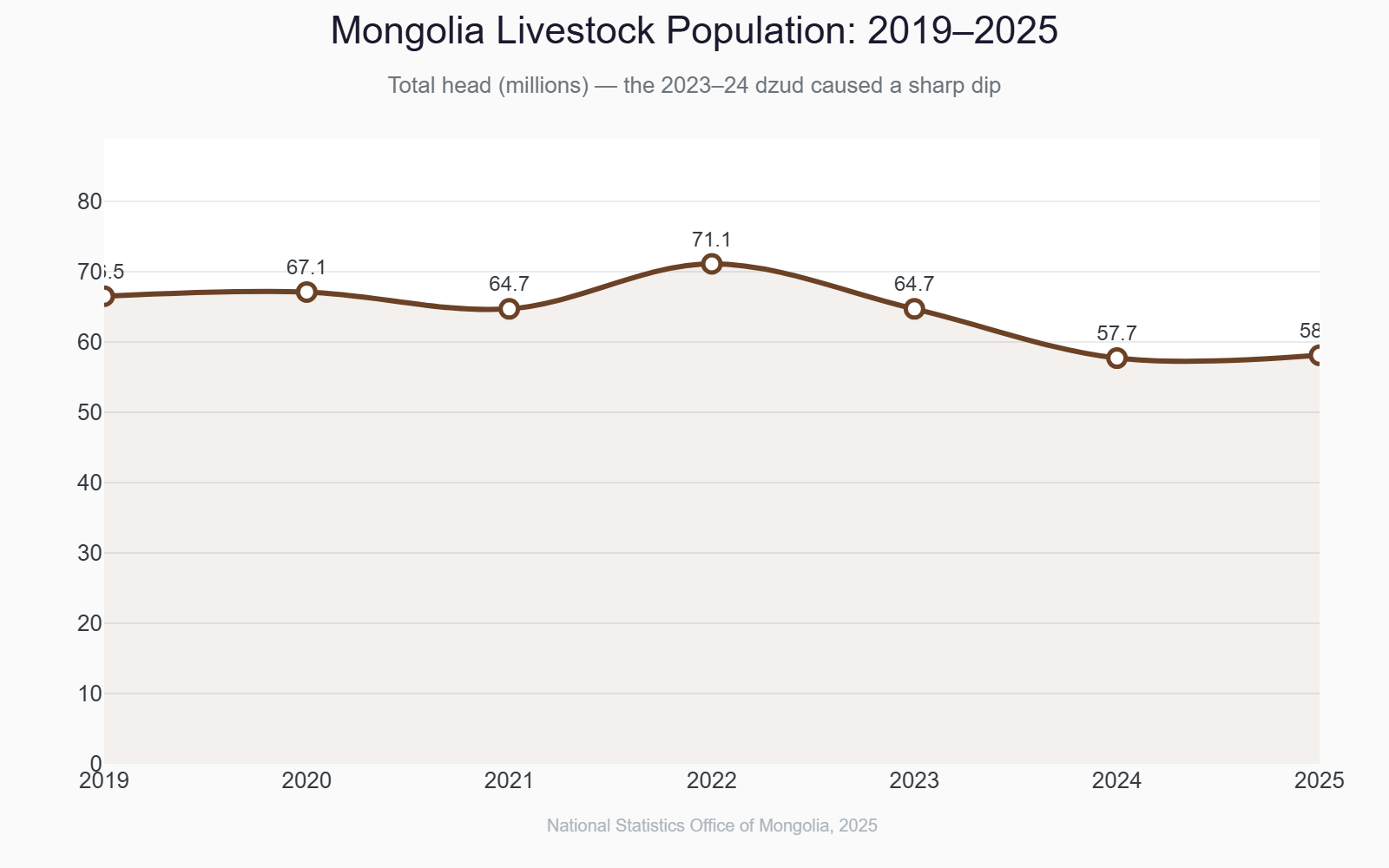
- Mongolia’s 2025 livestock census counted 58.1 million animals — up 0.8% from 2024 but well below the pre-dzud high of 71.1 million in 2022 (NSO, 2025)
- Roughly 30% of Mongolians are nomadic or semi-nomadic herders — approximately 600,000–700,000 people (World Bank, 2024)
- The 2023–24 dzud killed 8.1 million animals; 4,957 households lost more than 70% of their herds (OCHA, 2024)
- Mongolia is the world’s second-largest producer of raw cashmere, supplying roughly 40% of global output (IFC/UNDP)
- Mongolia’s average temperature rose 2.1°C between 1940 and 2014 — roughly triple the global average increase over the same period (ADB Climate Risk Profile)
- Ulaanbaatar now holds approximately 51% of Mongolia’s total population, up from a fraction of that share in the 1990s (World Bank / MacroTrends, 2025)
Table of Contents
- How Many Mongolians Are Still Nomadic?
- Livestock by the Numbers
- The Herding Economy
- Life on the Move
- Dzud and Climate Pressure
- Urbanization and the Future
- Nomadic Mongolia by the Numbers
- Frequently Asked Questions
- Methodology and Sources
How Many Mongolians Are Still Nomadic?
Around 30% of Mongolia’s population — roughly 600,000 to 700,000 people — live as nomadic or semi-nomadic herders, according to the World Bank (2024). That share has fallen sharply: in 1995, 57.7% of Mongolians depended on herding; by 2024, that figure had dropped to 24.5% (NSO/World Bank). The category itself is contested — “semi-nomadic” covers households that migrate seasonally but also hold urban residences, while “fully nomadic” families move with their livestock year-round. Published estimates range from 25% to one-third of the population depending on which definition is applied.
| Metric | Value | Source |
|---|---|---|
| Share of population nomadic/semi-nomadic | ~25–30% | World Bank, 2024 |
| Estimated herder population | ~600,000–700,000 | NSO / World Bank |
| Herder share of rural population | ~66% (two-thirds) | World Bank |
| Herder share in 1995 | 57.7% | NSO |
| Herder share in 2024 | 24.5% | NSO / World Bank |
| Total national population (2025 est.) | ~3.4 million | World Bank |
Note: “Nomadic” and “semi-nomadic” are used inconsistently across sources. The NSO census counts registered herder households; the World Bank household surveys apply a broader livelihood definition. Figures here reflect the World Bank’s 2024 estimate.
If you want to understand what a herder’s daily year looks like beyond the statistics, Atlas Mongolia Travel runs a Nomadic Family Stay experience that places guests with active herding families on the central steppe.
Livestock by the Numbers
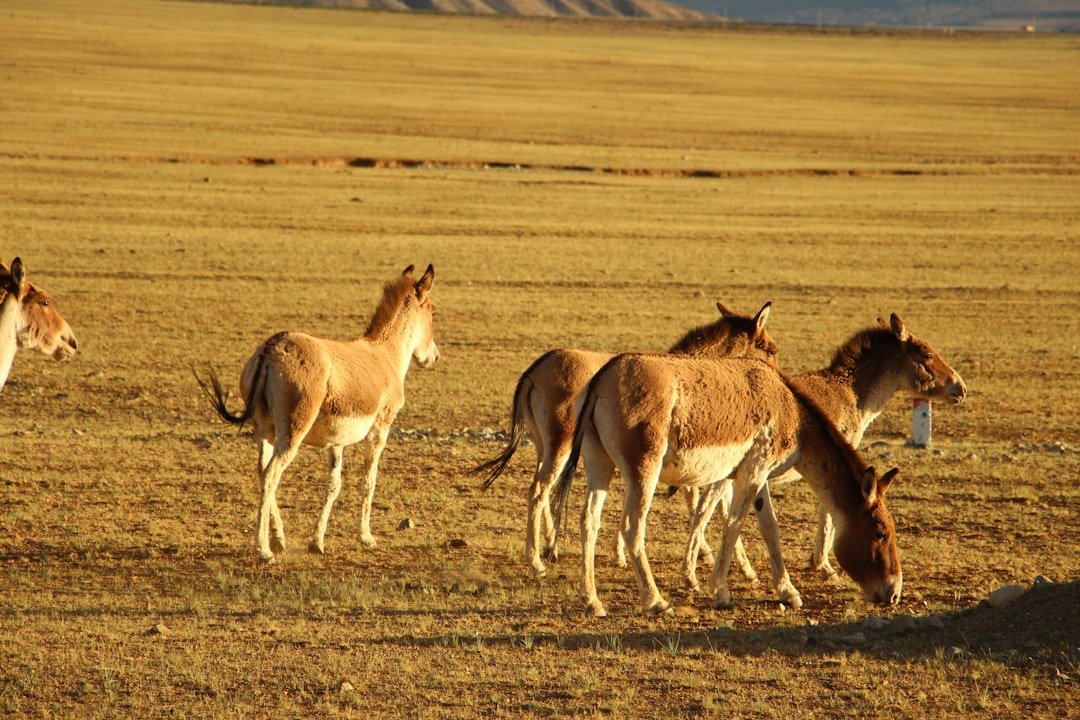
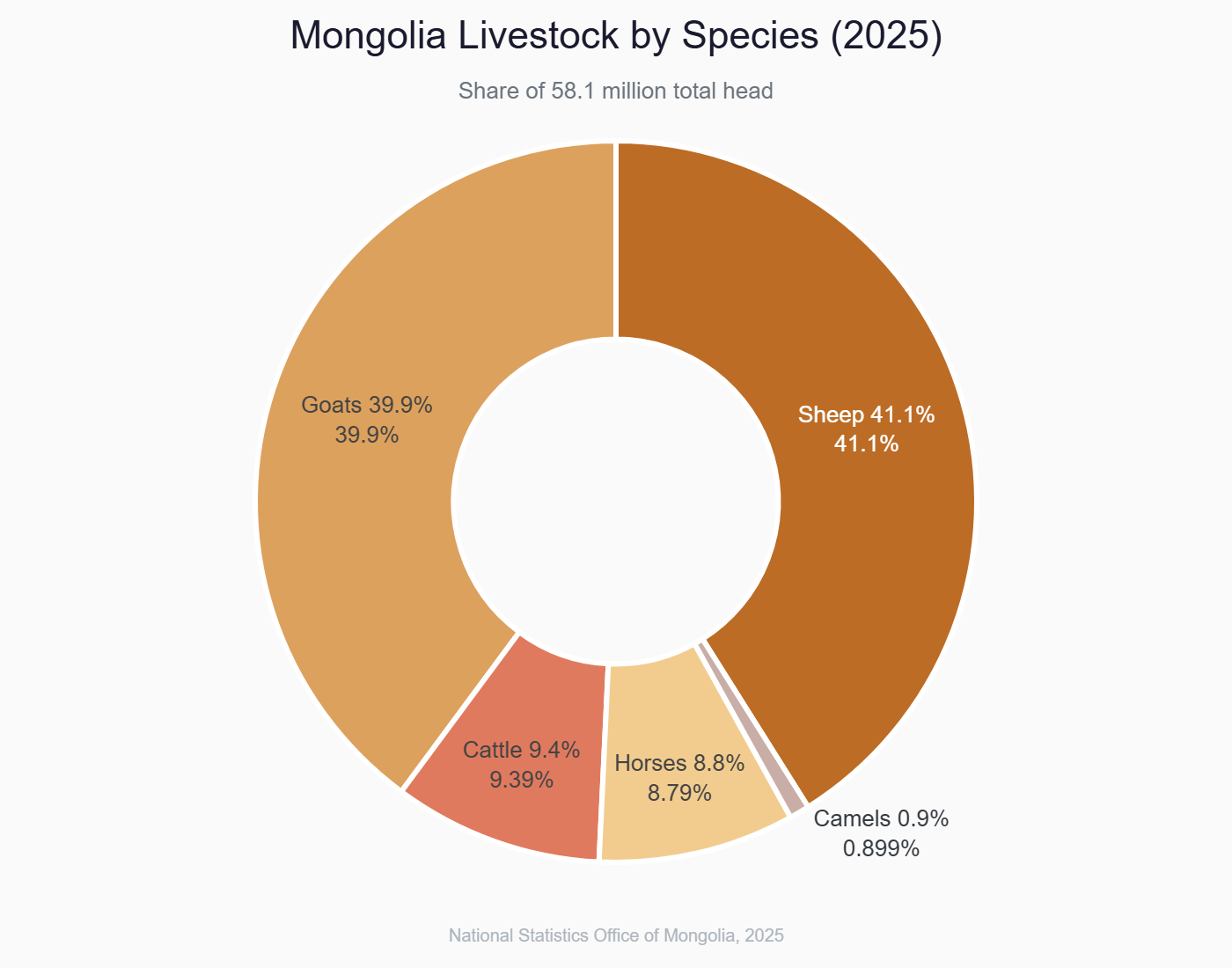
Mongolia’s 2025 livestock census recorded 58.1 million animals across five species — the so-called “five snouts” or tavan khoshuu (horse, cattle, camel, sheep, goat) — a 0.8% increase from 2024 (National Statistics Office, 2025). That 58.1 million figure sounds large until you compare it to recent history: the herd peaked at 71.1 million in 2022. The 2023–24 dzud — the worst winter disaster in fifty years — cut the total by nearly 20% in two years. At 58.1 million animals for 3.4 million people, Mongolia still runs approximately 17 livestock for every person in the country.
| Species | Head Count (2025) | Share of Total |
|---|---|---|
| Sheep | 23,929,100 | 41.1% |
| Goats | 23,200,900 | 39.9% |
| Cattle | 5,461,400 | 9.4% |
| Horses | 5,116,800 | 8.8% |
| Camels (Bactrian) | 501,300 | 0.9% |
| Total | 58,109,500 | 100% |
| Year-on-year change | +0.8% | NSO, 2025 |
| Pre-dzud peak (2022) | 71.1 million | NSO |
Source: National Statistics Office of Mongolia, 2025 Annual Livestock Census. Head counts above are derived from published percentage shares applied to the total; the NSO publishes the total and species shares directly.
The Herding Economy
Livestock herding is the backbone of Mongolia’s rural economy. Agriculture — dominated by the livestock sector — contributed roughly 10% of GDP in 2023 and employed approximately 22% of the country’s workforce (World Bank, 2023). Mongolia is also the world’s second-largest producer of raw cashmere, supplying an estimated 40% of global output at roughly 9,500 tonnes per year (IFC, 2024; UNDP). Only China produces more. The average herding household earns about $5,000 per year, roughly on par with the national average, though income varies sharply by herd size and proximity to urban markets. Herder households earn 90–96% of their income directly from animal husbandry (IntechOpen, 2024).
| Metric | Value | Source |
|---|---|---|
| Agriculture share of GDP (2023) | ~10% | World Bank, 2023 |
| Agriculture’s labor force share | ~22% | World Bank, 2023 |
| Mongolia’s global cashmere rank | 2nd largest producer | IFC / UNDP |
| Mongolia’s share of global raw cashmere | ~40% | IFC, 2024 |
| Annual raw cashmere production | ~9,500 tonnes | IFC / UNDP |
| Average herder household annual income | ~$5,000 | World Bank |
| Share of herder income from livestock | 90–96% | IntechOpen, 2024 |
Note: Agriculture’s GDP share fell from ~13% in 2022 to ~10% in 2023, partly reflecting dzud-related losses. The 2024 figure had not been published at time of writing.
For visitors interested in experiencing the steppe economy firsthand — including the cashmere combing season in spring — explore our Mongolia tours hub.
Life on the Move
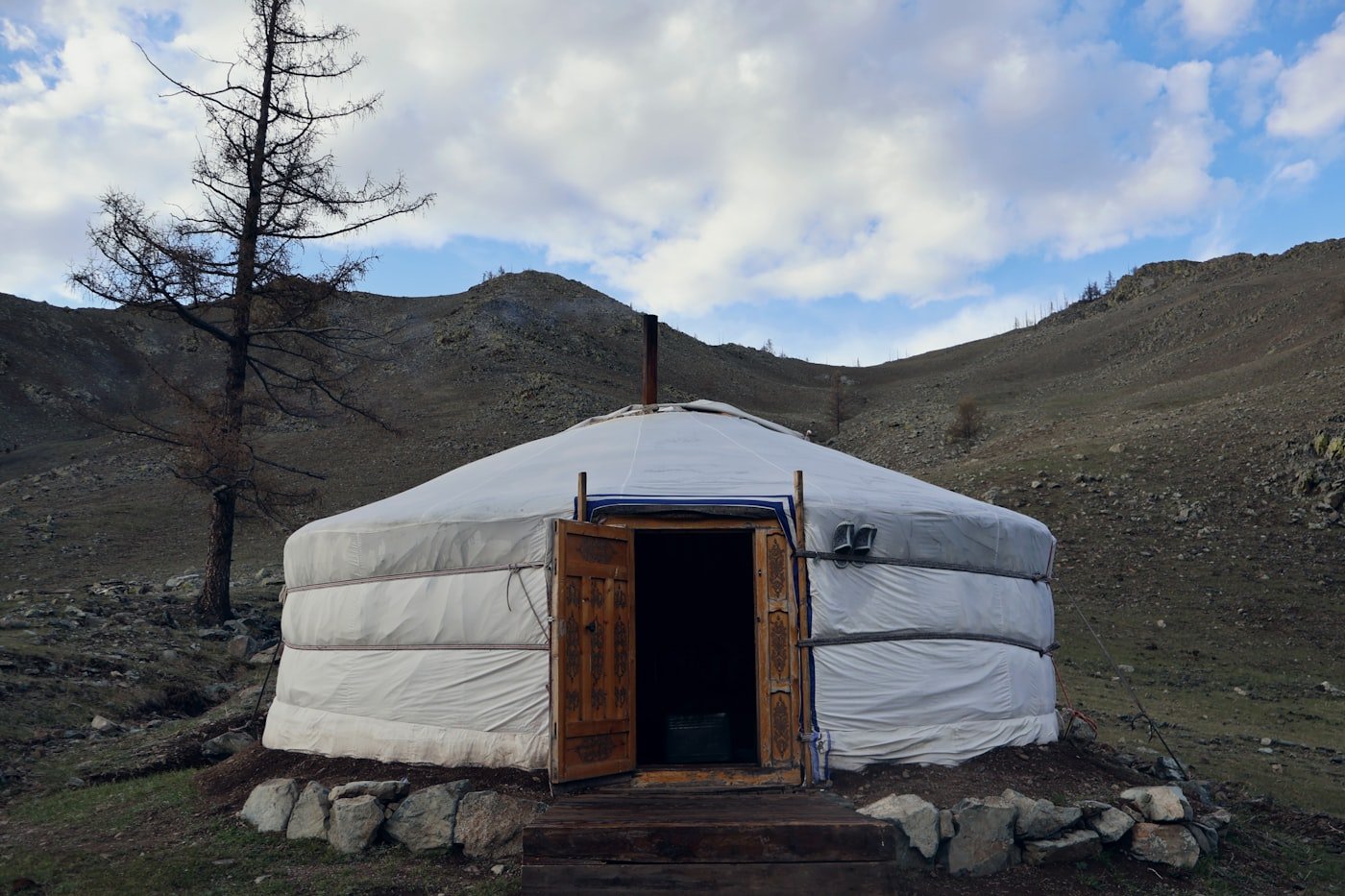
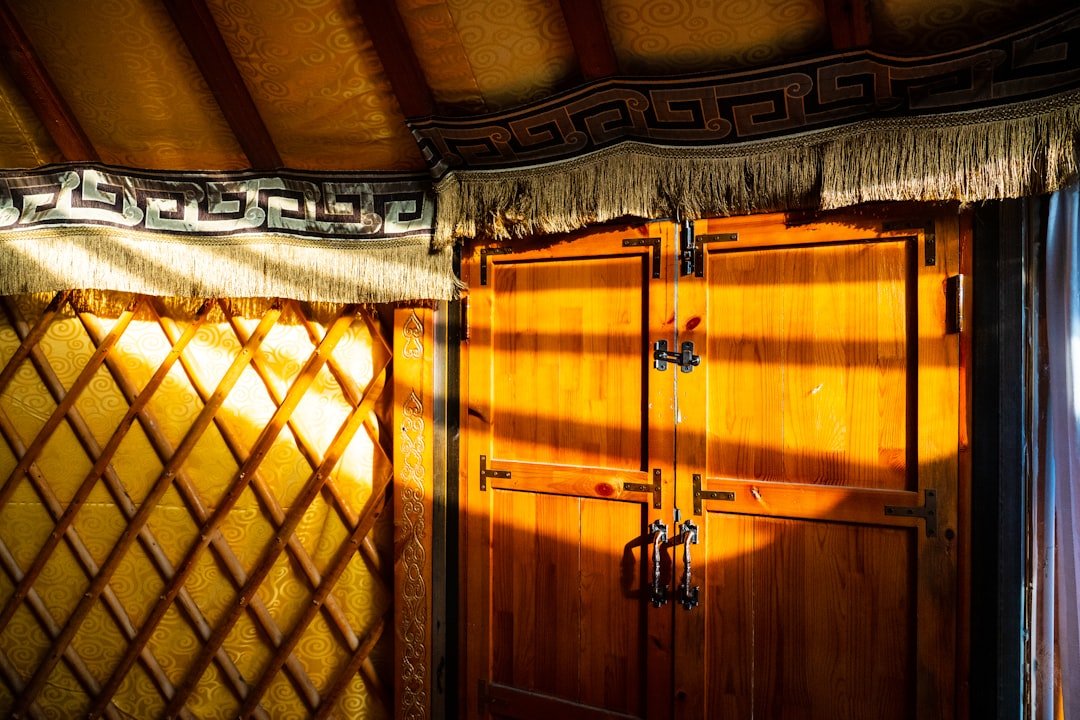
Most Mongolian herder families move camp two to four times a year, following their livestock through four seasonal pastures: winter (uvuljuu), spring (khavarjaa), summer (zuslan), and autumn (namavjaa). Families in wetter, forested steppe zones may move six to eight times annually, covering 15–20 kilometres each time. The ger (yurt) makes this possible. A standard family ger weighs around 300 kilograms, breaks into components that load onto two camels or a single cart, and can be assembled by an experienced household in about one to two hours. World Bank surveys document that mobile phone ownership among Mongolian herder households has reached very high levels, with malchin (herders) using phones for livestock price information and weather alerts.
| Metric | Value | Source |
|---|---|---|
| Seasonal migrations per year (typical) | 2–4 | Ethnographic surveys |
| Seasonal migrations per year (high-rainfall steppe) | Up to 8 | Ethnographic surveys |
| Average distance per migration | 15–20 km | Ethnographic surveys |
| Standard ger weight | ~300 kg | Traditional knowledge / survey sources |
| Ger assembly time | ~1–2 hours (experienced household) | Multiple sources |
| Ger main components | Khana (lattice walls), Toono (crown ring), Uni (roof poles), Bagana (columns), Khaalga (door) | — |
Note: Migration frequency and distance figures are sourced from ethnographic surveys, not the national census. Treat as indicative estimates.
Dzud and Climate Pressure
The 2023–24 dzud — a weather disaster in which a dry summer followed by extreme winter cold freezes pasture beneath ice, cutting livestock off from grazing — was the worst in fifty years and killed 8.1 million animals (OCHA/UNDP, 2024). At its peak, 4,957 herder households had lost more than 70% of their herds (UNICEF Mongolia, April 2024). Total economic damage reached 3.15% of GDP and 30.89% of total agricultural output in 2024 alone (UNDP Dzud Impact Assessment, 2025). This explains directly why the 2025 livestock total of 58.1 million sits far below the 2022 peak of 71.1 million.
Behind the dzud sits a longer-run climate shift. Mongolia’s average temperature rose 2.1°C between 1940 and 2014 — roughly triple the global average increase over the same period (ADB Climate Risk Profile, 2021). Annual precipitation fell 7% between 1940 and 2015. Over 77% of Mongolia’s land is now classified as degraded, and more than three-quarters of the country is affected by desertification (ADB; UNDP). The consequences fall hardest on herding communities, whose pasture quality has declined while herd sizes have climbed to compensate for falling productivity per animal.
| Metric | Value | Source |
|---|---|---|
| Animals killed, 2023–24 dzud | 8.1 million | OCHA / UNDP, 2024 |
| Households losing >70% of herd | 4,957 | UNICEF Mongolia, April 2024 |
| People affected | 188,300 | OCHA, 2024 |
| Dzud damage as % of GDP (2024) | 3.15% | UNDP, 2025 |
| Dzud damage as % of agricultural output (2024) | 30.89% | UNDP, 2025 |
| Temperature rise since 1940 (to 2014) | +2.1°C | ADB Climate Risk Profile, 2021 |
| Precipitation decrease, 1940–2015 | −7% | ADB / UNDP |
| Share of Mongolia’s land degraded | 77% | ADB, 2021 |
| Land affected by desertification | >75% | ADB / UNDP |
Urbanization and the Future
Ulaanbaatar’s metro population reached an estimated 1.725 million in 2025 — roughly 51% of Mongolia’s total national population of approximately 3.4 million (MacroTrends / World Bank, 2025). The broader urban share is even higher: 69.3% of Mongolians now live in urban areas (World Bank, 2024). That figure was under 50% in the 1990s. The primary driver is rural-to-urban migration, often triggered by dzud events that wipe out herds and leave families with nothing to return to.
Young herders are leaving fastest. Academic research documents declining youth involvement in pastoralism and a rising average age among active herders. Herder household representation has fallen from 57.7% of the national population in 1995 to 24.5% in 2024 (NSO/World Bank). Without structural support — better dzud insurance, veterinary access, pasture management systems — demographers expect the trend to continue.
| Metric | Value | Source |
|---|---|---|
| Ulaanbaatar metro population (2025) | 1,725,000 | MacroTrends, 2025 |
| UB share of national population | ~51% | Calculated: 1.725M / 3.4M |
| Mongolia urban population share (2024) | 69.3% | World Bank, 2024 |
| Asia average urbanization rate | ~50% | UN Habitat |
| Herder share of national population (1995) | 57.7% | NSO |
| Herder share of national population (2024) | 24.5% | NSO / World Bank |
To plan a journey into this changing landscape — and stay with a herding family before the seasonal migration moves them on — get in touch with our team.
Nomadic Mongolia by the Numbers
A single reference table of 43 data points from this article.
| # | Metric | Value | Source |
|---|---|---|---|
| 1 | Total livestock (2025) | 58.1 million | NSO, 2025 |
| 2 | YoY change (2024→2025) | +0.8% | NSO, 2025 |
| 3 | Livestock per person | ~17 | Calculated (58.1M / 3.4M) |
| 4 | Sheep count | 23.9 million | NSO, 2025 |
| 5 | Goat count | 23.2 million | NSO, 2025 |
| 6 | Cattle count | 5.4 million | NSO, 2025 |
| 7 | Horse count | 5.1 million | NSO, 2025 |
| 8 | Camel count | 501,300 | NSO, 2025 |
| 9 | Sheep share of herd | 41.1% | NSO, 2025 |
| 10 | Goat share of herd | 39.9% | NSO, 2025 |
| 11 | Cattle share of herd | 9.4% | NSO, 2025 |
| 12 | Horse share of herd | 8.8% | NSO, 2025 |
| 13 | Camel share of herd | 0.9% | NSO, 2025 |
| 14 | Pre-dzud peak herd (2022) | 71.1 million | NSO |
| 15 | Nomadic/semi-nomadic share of population | ~25–30% | World Bank, 2024 |
| 16 | Estimated herder population | ~600,000–700,000 | NSO / World Bank |
| 17 | Herder share of rural population | ~66% | World Bank |
| 18 | Herder share in 1995 | 57.7% | NSO |
| 19 | Herder share in 2024 | 24.5% | NSO / World Bank |
| 20 | Agriculture share of GDP (2023) | ~10% | World Bank, 2023 |
| 21 | Agriculture’s labor force share | ~22% | World Bank, 2023 |
| 22 | Mongolia’s global cashmere rank | 2nd largest | IFC / UNDP |
| 23 | Mongolia’s share of global raw cashmere | ~40% | IFC, 2024 |
| 24 | Annual raw cashmere production | ~9,500 tonnes | IFC / UNDP |
| 25 | Avg herder household annual income | ~$5,000 | World Bank |
| 26 | Share of herder income from livestock | 90–96% | IntechOpen, 2024 |
| 27 | Typical migrations per year | 2–4 | Ethnographic surveys |
| 28 | Maximum migrations (high-rainfall steppe) | Up to 8 | Ethnographic surveys |
| 29 | Average distance per migration | 15–20 km | Ethnographic surveys |
| 30 | Standard ger weight | ~300 kg | Traditional knowledge |
| 31 | Ger assembly time | ~1–2 hours | Multiple sources |
| 32 | Animals killed, 2023–24 dzud | 8.1 million | OCHA / UNDP, 2024 |
| 33 | Households losing >70% of herd | 4,957 | UNICEF Mongolia, 2024 |
| 34 | People affected by 2023–24 dzud | 188,300 | OCHA, 2024 |
| 35 | Dzud economic damage (2024, % GDP) | 3.15% | UNDP, 2025 |
| 36 | Dzud damage (2024, % agricultural output) | 30.89% | UNDP, 2025 |
| 37 | Temperature rise since 1940 (to 2014) | +2.1°C | ADB, 2021 |
| 38 | Precipitation decrease, 1940–2015 | −7% | ADB / UNDP |
| 39 | Share of land degraded | 77% | ADB, 2021 |
| 40 | Land affected by desertification | >75% | ADB / UNDP |
| 41 | Ulaanbaatar metro population (2025) | 1,725,000 | MacroTrends, 2025 |
| 42 | UB share of national population | ~51% | Calculated |
| 43 | Mongolia urban population share (2024) | 69.3% | World Bank, 2024 |
Frequently Asked Questions
How many nomadic people are there in Mongolia?
Approximately 600,000 to 700,000 Mongolians live as nomadic or semi-nomadic herders, representing about 25–30% of the national population, according to World Bank estimates from 2024. The exact figure depends on definition: the NSO counts registered herder households, while broader survey estimates include semi-nomadic households with urban ties. The herder share of the population has fallen from 57.7% in 1995 to 24.5% in 2024.
How many livestock does Mongolia have?
Mongolia’s National Statistics Office counted 58.1 million head of livestock at the end of 2025 — a 0.8% increase from 2024. The herd comprises five species (the “five snouts”): sheep (23.9M), goats (23.2M), cattle (5.4M), horses (5.1M), and Bactrian camels (501,300). The 2025 total remains well below the pre-dzud peak of 71.1 million recorded in 2022.
What is a dzud and how many animals did the 2024 dzud kill?
A dzud is a Mongolian weather disaster in which a dry summer that prevents adequate fodder storage is followed by extreme winter cold, leaving livestock unable to graze through frozen or snow-covered pasture. The 2023–24 dzud — the worst in fifty years — killed 8.1 million animals and affected 188,300 people (OCHA/UNDP, 2024). Economic damage reached 3.15% of GDP and 30.89% of total agricultural output in 2024 (UNDP, 2025).
Is Mongolia the largest cashmere producer in the world?
No — China produces more. Mongolia is the world’s second-largest producer of raw cashmere, supplying approximately 40% of global output at around 9,500 tonnes per year (IFC, 2024). Together, China and Mongolia account for roughly 93% of the world’s raw cashmere supply.
How many times do Mongolian nomads move each year?
Most herder families move camp two to four times per year, tracking their livestock through four seasonal pastures. Families in wetter steppe zones may move six to eight times annually, each relocation covering 15–20 kilometres. The portable ger weighs about 300 kilograms and can be reassembled in one to two hours by an experienced household.
How is climate change affecting Mongolian herders?
Mongolia’s average temperature rose 2.1°C between 1940 and 2014, roughly triple the global average increase over the same period (ADB, 2021). Annual precipitation fell 7% over the same decades. Today, 77% of Mongolia’s land is classified as degraded and more than 75% is affected by desertification. The direct consequence for herders is deteriorating pasture quality, forcing larger herds to compensate for lower productivity per animal — accelerating the same degradation cycle.
Methodology and Sources
Data sources
- National Statistics Office of Mongolia (NSO / 1212.mn) — Annual livestock census (2025); herder household counts; rural population figures. 1212.mn
- World Bank — Nomadic population share; agriculture GDP and labor force shares; urbanization data; herder income surveys. data.worldbank.org
- IFC (International Finance Corporation) — Cashmere production volumes and global market share (2024). IFC, 2024
- UNDP Mongolia — Cashmere value chain; Dzud Socio-Economic Impact Assessment 2023–2024 (2025); climate impacts. undp.org/mongolia
- ADB (Asian Development Bank) — Climate Risk Country Profile: Mongolia (2021); land degradation and desertification data. ADB Climate Risk Profile
- OCHA — Mongolia Dzud Response Plan (March 2024). OCHA, 2024
- UNICEF Mongolia — Humanitarian Situation Report No. 4 (April 2024).
- MacroTrends — Ulaanbaatar metro population estimates (2025). MacroTrends
Definition caveats
The distinction between “nomadic” and “semi-nomadic” varies across sources. The NSO counts registered herder households; World Bank household surveys apply a broader livelihood definition. Several lifestyle statistics (migration frequency, ger assembly time, ger weight) are sourced from ethnographic surveys and travel documentation rather than the national census — treat as indicative estimates.
Figures labelled estimates (not census-verified)
- Herder population (600,000–700,000): derived from percentage applied to total population; exact census figure not publicly available in English
- Migration frequency (2–4 times/year) and ger weight (~300 kg): ethnographic/traditional sources, not census
- Agriculture GDP share (~10%): World Bank 2023 data; 2024 figure not yet published at time of writing
Last updated: June 2026. We update this page each year when the National Statistics Office of Mongolia releases its annual livestock census.
Written by the Atlas Mongolia Travel team — a locally operated tour company based in Ulaanbaatar.
Photo credits: Seung Hyun Lee / Unsplash (featured image); nee k / Unsplash (horses); Charles MingZ / Unsplash (ger interior).

Atlas Mongolia Travel
Atlas Mongolia Travel is a locally operated tour agency based in Ulaanbaatar, Mongolia, specializing in authentic private and group tours across Mongolia.

Leave a Reply