Mongolia Travel Insurance: What You Actually Need (And What Can Wait)
Yes — you need travel insurance for Mongolia. At minimum, you need emergency medical coverage and medical evacuation with a limit of at least $100,000 USD. If you’re riding horses, trekking in the Altai, or heading anywhere beyond Ulaanbaatar, medical evacuation isn’t optional. It’s the one coverage that could save your life — and your savings.
- Medical evacuation from remote Mongolia to Seoul or Bangkok can cost $50,000–$100,000+ without insurance
- Mongolia has no reciprocal healthcare agreements — hospitals expect upfront cash payment
- Standard travel insurance often excludes adventure activities — horse riding and camel trekking usually need a specific rider
- Minimum recommended coverage: $100,000 medical, $100,000 evacuation, 100% trip cancellation
- Insurers commonly used for Mongolia: World Nomads, SafetyWing, AXA, Allianz
- Atlas Mongolia Travel carries satellite phones and coordinates emergency response on remote tours
Table of Contents
- Why Mongolia Requires Serious Insurance Coverage
- What Does Medical Care Actually Look Like Out There?
- The Non-Negotiable: Medical Evacuation Coverage
- Do You Need an Adventure Activities Rider?
- Recommended Coverage Minimums
- What to Look For in a Policy
- How Claims Work in Mongolia
- Should You Buy Trip Cancellation Coverage?
- Insurers Travelers Use for Mongolia
- Frequently Asked Questions
Why Mongolia Requires Serious Insurance Coverage
Mongolia is one of the most remote destinations on earth. The country spans 1.5 million square kilometers with a population of 3.3 million — and most of that population is concentrated in Ulaanbaatar. Outside the capital, you’re crossing steppe and desert with distances measured in hours, not blocks.
The infrastructure reflects this reality. Mongolia has no healthcare agreements with Western countries. There is no equivalent of the EU health card, no reciprocal billing arrangement, no fallback. Per the UK Foreign Office and US State Department — both of which flag this specifically — you are financially responsible for every cent of medical care the moment you land.
We’ve guided hundreds of travelers through these landscapes. We carry satellite phones on remote tours specifically because a single wrong step on a rocky slope near the Altai — or a horse spooked on the open steppe — can become a situation that requires coordinating with an insurer at 11pm from a location with no cell signal.
Get the insurance before you go. It’s not bureaucratic box-ticking. It’s the one decision that could make everything else workable.
What Does Medical Care Actually Look Like Out There?
Ulaanbaatar has reasonable private hospital facilities. The SOS International clinic in the capital provides emergency care to international standards, and several private hospitals have English-speaking staff. For minor injuries or illness in the city, you’re generally okay.
Outside Ulaanbaatar, the picture changes quickly.
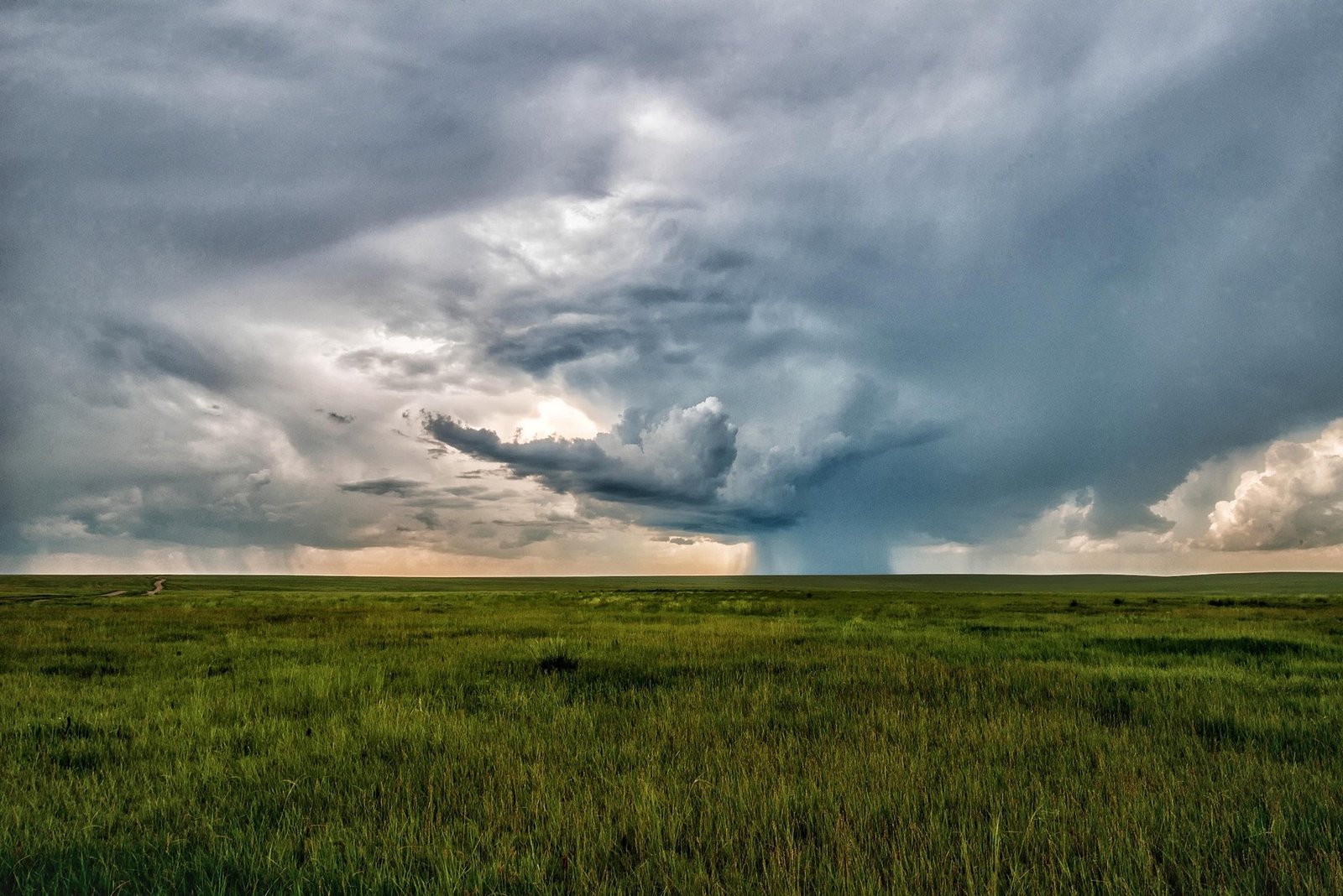
Mongolia has 91 public hospitals, but the country spans a territory roughly the size of Western Europe. According to the Asian Development Bank, the average distance from an aimag (provincial) hospital to a soum (district) health center is around 101 kilometers. The average distance from that soum center to remote nomadic households is another 100 kilometers. In a real emergency, you could be 200 kilometers from the nearest functioning hospital — by dirt track.
Rural facilities are basic. Equipment is limited. Blood supply can be an issue. For anything serious — a broken leg requiring surgery, a cardiac event, a significant head injury — the realistic treatment destination is Ulaanbaatar, or more likely, medical evacuation to Seoul, Beijing, or Bangkok.
One more thing worth knowing: per the UK Foreign Office, Mongolian hospitals require payment before treatment, often up to 80% of estimated costs upfront. Without travel insurance that covers this in real time — through direct billing or an emergency credit facility — you’re fronting the money yourself.
The Non-Negotiable: Medical Evacuation Coverage
This is the number that stops people cold.
Air ambulance evacuation from a remote area of Mongolia to Seoul or Beijing runs between $50,000 and $100,000 USD. Sometimes more. This reflects the actual logistics of getting a medically equipped aircraft to a location where the nearest landing strip may require a full day’s drive to reach — then flying a patient with full medical crew to a major hospital.
We’ve had guests who needed evacuation. Not often — but it happens. What we’ve seen consistently: travelers with solid evacuation coverage get coordinated, professional help. Their insurer’s 24/7 emergency line knows this process and has experience with Mongolia specifically. The ones without coverage are on the phone from a hospital waiting room trying to wire $70,000 in the next few hours.
The evacuation process is more complex than people expect. Before an insurer will approve and fund an evacuation flight, they need an evacuation-authorization letter from the treating doctor at the local facility — stating that the patient requires a higher level of care than is available locally. Getting that letter, having it translated, and coordinating with the insurer all takes time. Good travel insurance with 24/7 emergency assistance handles this on your behalf.
Minimum evacuation coverage: $100,000 USD. Many Mongolia specialists recommend $200,000 for remote western regions like the Altai.
Do You Need an Adventure Activities Rider?
For most Mongolia itineraries: yes.
The typical Mongolia tour includes activities that sit outside what most standard policies call “routine leisure travel.” Horse riding across the steppe, camel trekking in the Gobi, hiking in the Altai, river crossings in 4WD vehicles — these activities vary by insurer in how they’re classified, and the wrong assumption could mean a denied claim.
Here’s the general picture across common providers:
- World Nomads covers 250+ activities and includes horse riding under what they classify as Level 1. Their coverage levels vary by country of residence — worth confirming before buying.
- SafetyWing offers an extreme sports add-on for around $10/month. If your itinerary includes anything beyond gentle horse riding, add it.
- AXA and Allianz are strong for standard travel coverage but have more conservative adventure activity inclusions. Check the specific policy documents for horseback riding and hiking explicitly.
The rule of thumb: if the activity involves an animal, elevation, or speed, read the policy exclusions before assuming you’re covered.
When you book a tour with Atlas Mongolia Travel, we’ll tell you exactly what activities are on the itinerary so you can confirm coverage with your insurer before arrival. Don’t leave this conversation until you’re already at the ger camp.
Recommended Coverage Minimums
These are the numbers worth having for remote Mongolia travel:
| Coverage Type | Minimum Recommended |
|---|---|
| Emergency medical | $100,000 USD |
| Medical evacuation / repatriation | $100,000 USD (many specialists recommend $200,000) |
| Trip cancellation | 100% of non-refundable trip cost |
| Trip interruption | 150% of trip cost |
| Baggage and personal effects | $2,500–$5,000 |
| Emergency dental | $500+ |
One consideration specific to Mongolia: “cancel for any reason” (CFAR) coverage costs more but provides meaningful flexibility. Mongolia tours often involve non-refundable deposits made 6–12 months in advance. Weather, political situations, or personal circumstances can all shift in that window. CFAR policies typically reimburse 50–75% of non-refundable costs regardless of reason.
Read our Best Time to Visit Mongolia guide to understand how weather-dependent Mongolia travel actually is — particularly relevant for trip cancellation decisions.
What to Look For in a Policy
Beyond the coverage numbers, a few policy features matter specifically for Mongolia:
Direct billing vs. reimbursement. This is the most important practical distinction. With direct billing, the insurer pays the hospital directly. With reimbursement, you pay first and claim back. In a serious emergency in Mongolia — surgery, extended care — reimbursement means fronting $20,000–$50,000. Some Allianz plans and GeoBlue offer direct billing worth seeking out.
24/7 emergency assistance with regional experience. The insurer’s emergency line should have experience coordinating evacuations from remote Central Asia. Some assistance centers are significantly better than others at this. Worth asking when you buy.
Evacuation to nearest appropriate facility vs. home country. Some policies cover evacuation only to the nearest adequate medical facility — for Mongolia that means Seoul or Bangkok, not the US or Europe. Understand what your policy actually gets you.
Adventure activities listed explicitly. Don’t assume. Look up the specific activities you’re planning in the policy’s activity schedule. Horse riding, camel trekking, hiking, archery — all standard on an Atlas Mongolia Travel itinerary. Confirm each one.
How Claims Work in Mongolia
Mongolia’s medical system doesn’t work the way most Western travelers expect.
Hospitals will ask for payment before treatment begins. Have a credit card with adequate limit, or access to emergency funds. Your insurance card will not work at reception unless your policy has a direct billing arrangement. Otherwise, you pay and claim back.
Get everything in writing, in English. Mongolian hospitals produce English-language invoices and medical reports for international patients. Ask at admission. Keep every receipt, every report, every prescription. Your insurer needs all of it.
The evacuation authorization letter matters. If your insurer is funding a medical evacuation, they’ll require a letter from the treating doctor confirming the patient needs a higher standard of care than is available locally. Your guide or tour operator can help obtain this document if you’re incapacitated.
Call your insurer’s 24/7 line early. If something happens in the field — a bad fall, serious illness — contact your insurer as soon as possible. They can begin coordinating while you’re still at the local health post. The earlier they’re involved, the smoother the process.
For context on Mongolia’s medical infrastructure and vaccinations to arrange before departure, see our Mongolia Travel Vaccines and Health Guide.
Should You Buy Trip Cancellation Coverage?
For a Mongolia trip: most likely yes.
Mongolia travel involves non-refundable deposits paid months in advance. Flights to Ulaanbaatar from North America or Europe cost $800–$1,500+ per person, with limited change flexibility. Tour deposits vary by operator. Add it up and you’re often looking at $3,000–$8,000 or more committed before you board the first plane.
Mongolia’s weather introduces specific cancellation risk. The summer peak (June–September) is short. Flash flooding, severe dust storms, or early-season snow in the Altai can disrupt itineraries in ways that aren’t easily rescheduled within the tour window. Standard trip cancellation covers medical emergencies and a defined list of reasons. CFAR covers everything else.
Our Gobi Desert Travel Guide has honest detail on what the weather can do in different seasons — relevant context before making your cancellation coverage decision.
Travelers booking the Eagle Festival tour in October — when Altai weather can shift quickly — should factor this in particularly carefully when choosing their policy.
Insurers Travelers Use for Mongolia
We’re not in the business of recommending one insurer over another — the right policy depends on your nationality, your specific activities, and your trip cost. These are the providers we hear about most from guests who’ve traveled Mongolia with us.
World Nomads — Popular with adventure travelers. Covers a wide activity list including horse riding. Used heavily by independent travelers and those on shorter trips. Available to residents of 150+ countries.
SafetyWing — Budget-friendly, subscription-based model designed for long-term travelers. Add the extreme sports rider for a Mongolia itinerary.
AXA — Solid mainstream option. Review the adventure activity inclusions specifically for Mongolia-type activities before buying.
Allianz — Well-established, widely recognized by international medical providers. Some plans include direct billing options. Check the evacuation coverage limit — some plans start lower than the $100,000 minimum worth having for Mongolia.
Before paying for any policy, run through this checklist:
- Medical evacuation limit at least $100,000
- Horse riding and specific planned activities explicitly covered
- 24/7 emergency assistance included
- Direct billing option available
- Pre-existing conditions handled if relevant
What Atlas Mongolia Travel Does On Remote Tours
Mongolia’s remoteness is part of what makes it extraordinary. The distances, the silence, the fact that the nearest town is two hours of dirt track away — that’s not a problem to engineer around. It’s the experience.
It’s also why preparation matters.
When you travel with Atlas Mongolia Travel, our team carries satellite communication equipment on remote tours. We have established relationships with evacuation coordinators and local medical contacts in the regions we operate. Our guides know the nearest health post for every route we run — and they know when to use it versus when to coordinate a direct evacuation.
If something happens in the field, we contact your insurer’s emergency line and help coordinate the response. We’ve done it before. We know the local logistics, and we know that speed matters.
What we can’t do is provide the insurance itself. That’s yours to sort before you arrive. Once it’s confirmed, send us the details with your emergency contact information — we keep this on file for every guest. And if you have questions about what activities are on your specific itinerary and what coverage to confirm, reach out before you buy.
Browse our Mongolia tours to see what’s on offer for the 2026 season.
Frequently Asked Questions
Is travel insurance required to enter Mongolia?
No. Mongolia does not require proof of travel insurance for entry. However, both the US State Department and UK Foreign Office strongly recommend purchasing medical and evacuation insurance before visiting. Without coverage, a serious emergency in remote Mongolia could cost $100,000 or more out of pocket.
How much does medical evacuation cost in Mongolia?
Air ambulance evacuation from a remote region of Mongolia to a major medical center in Seoul, Beijing, or Bangkok typically costs between $50,000 and $100,000 USD, depending on distance, aircraft type, and required medical crew. Evacuation from the Altai Mountains in western Mongolia tends to be at the higher end of this range due to distance and logistics.
Does standard travel insurance cover horse riding in Mongolia?
Not always. Many standard policies classify horse riding as an adventure activity and exclude it from base coverage. World Nomads includes horse riding in their standard plans for most countries. SafetyWing’s base plan may not — their extreme sports add-on is recommended for any horse riding on a Mongolia itinerary. Always check the activity schedule in your specific policy before assuming you’re covered.
Do Mongolian hospitals accept insurance cards or direct billing?
Most hospitals in Mongolia expect upfront cash payment. They will not bill your insurer directly unless you have a policy with a direct billing arrangement — some Allianz and GeoBlue plans offer this. For reimbursement-based policies, you pay first and claim back afterward. Keep all receipts, invoices, and medical reports, as your insurer will require them.
What is the minimum insurance coverage for a Mongolia trip?
We recommend a minimum of $100,000 USD for emergency medical coverage and $100,000 USD for medical evacuation — with many Mongolia travel specialists recommending $200,000 for evacuation from remote areas like the Altai. Trip cancellation coverage equal to 100% of your non-refundable trip costs is also strongly advisable.
Can I buy travel insurance after arriving in Mongolia?
Some insurers allow purchase after departure — SafetyWing’s subscription model can sometimes be started mid-trip. However, most insurers require purchase before departure or within a short window of making your initial trip payment. Any events or pre-existing conditions that exist before purchase will not be covered. Buy before you go.
Conclusion
Mongolia rewards travelers who prepare well. The landscapes are unlike anywhere else. The access to nomadic culture is genuine. The distances and remoteness are part of why the experience is what it is.
Travel insurance isn’t the part of the planning you’ll tell stories about later. But it’s the foundation that lets you commit fully to the experience once you’re out there. Knowing that a medical emergency won’t become a financial catastrophe changes how you ride across the steppe.
Sort the policy before you book your flights. Confirm your adventure activities are explicitly covered. Write down the 24/7 emergency assistance number somewhere you can find it without cell service. Then set it aside and focus on what actually matters: which valleys you want to wake up in, whether you want the Gobi silence or the Altai peaks, how many days you can give to this.
Ready to start planning? Get in touch with our team and tell us what you’re imagining. We’ll build the itinerary around you.
Written by the Atlas Mongolia Travel team — a locally operated tour company based in Ulaanbaatar.
Insurance covered? Time to plan the actual trip. View our Mongolia tours or get in touch to build a custom itinerary. Our team will also advise on the specific activities on your tour that may require coverage riders.

Atlas Mongolia Travel
Atlas Mongolia Travel is a locally operated tour agency based in Ulaanbaatar, Mongolia, specializing in authentic private and group tours across Mongolia.
Leave a Reply